
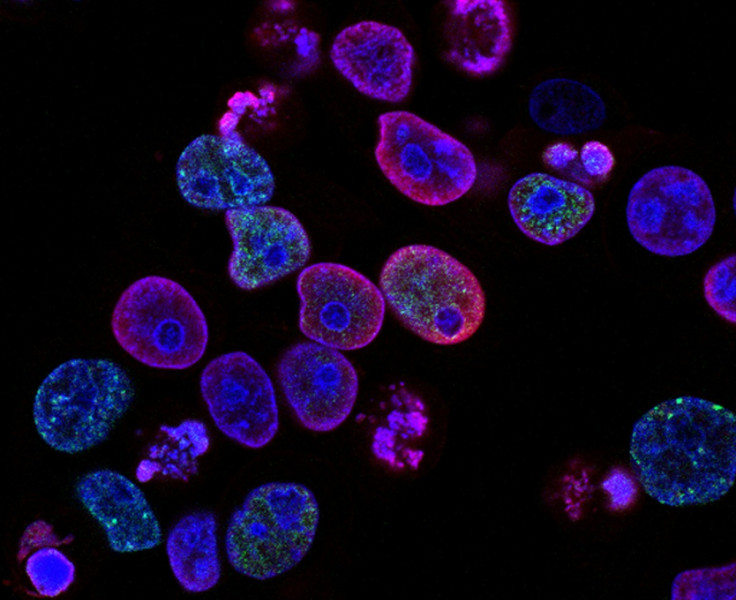
Stem cell therapy has become one of the most widely discussed areas in regenerative medicine, offering potential treatments for conditions once considered irreversible. By using a patient's own cells or donated stem cells, these therapies aim to repair or replace damaged tissues, restore function, and slow disease progression. As research expands, so does public interest in understanding what stem cell therapy can realistically achieve today.
However, despite the promise, limitations and safety concerns remain. Many stem cell applications frequently advertised online or by unregulated clinics have little scientific backing and carry significant risks. Only a limited number of stem cell therapy uses are FDA-approved, while most remain experimental. Understanding the benefits, evidence, and stem cell risks is essential for patients exploring regenerative medicine options, ensuring safe and informed decision-making.