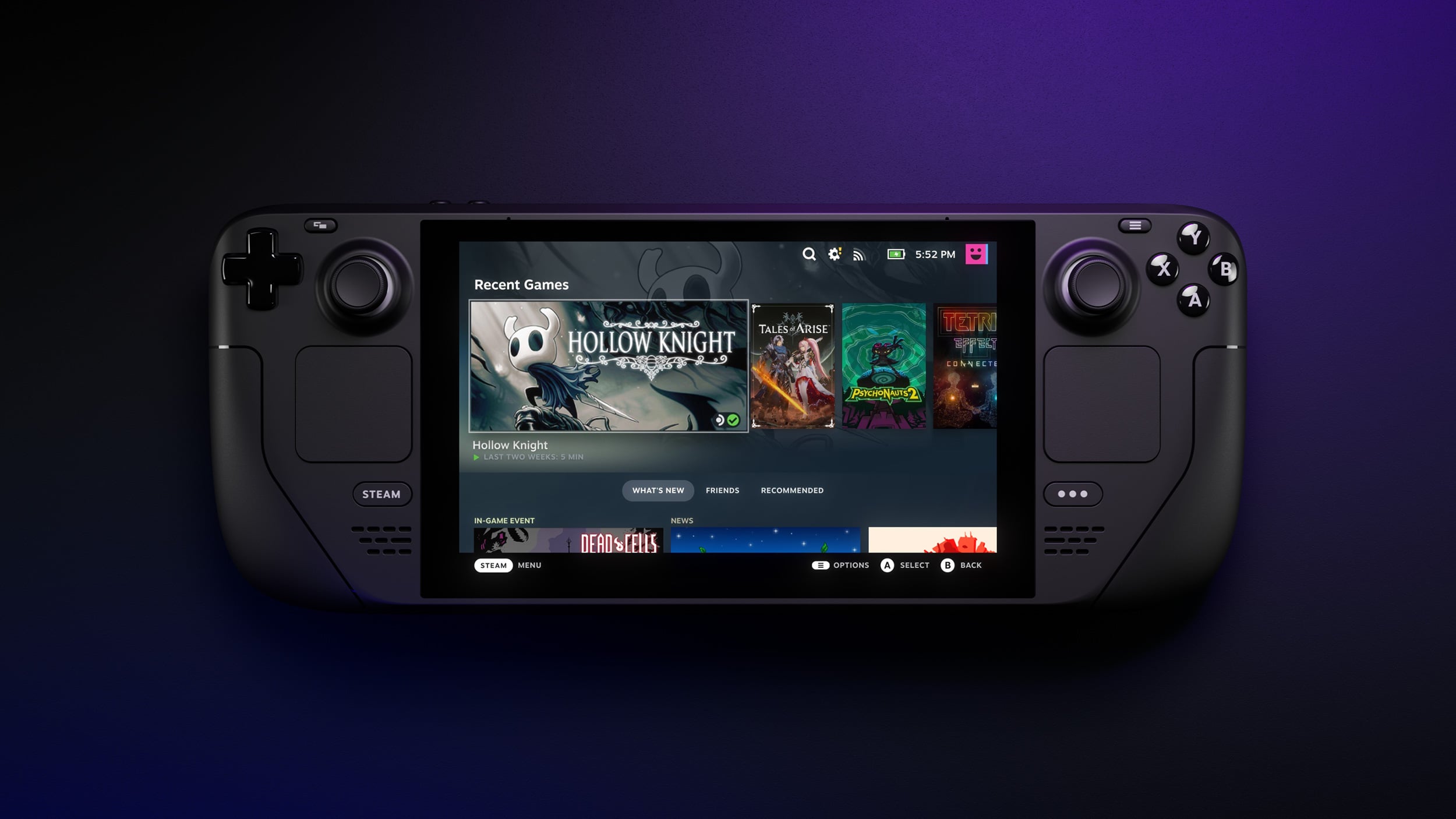
A new Steam Deck 2 rumor says that the handheld could be somewhat farther away than PC fans probably hoped.
The leak states Valve is targeting a 2028 release, but the current RAM and NAND situation could push that date even farther.


On its face, that window actually lines up with what Valve has been saying for months. The company has been consistent that it does not want to ship a minor Steam Deck refresh. Pierre-Loup Griffais, SteamOS coder, said the company wants a clear generational jump in performance without sacrificing the same general battery life range, and that current system-on-chip options do not deliver that yet. In other words, Valve has been waiting for either some major changes in the semiconductor industry or for some efficiency gains elsewhere.
If the 2028 rumor is true, Valve’s next handheld could end up landing in roughly the same broader hardware cycle as other major portable efforts. Microsoft’s handheld push is already real, with the ROG Xbox Ally line available and built around an Xbox full-screen experience on handheld hardware.
Sony’s PS6-era portable remains unconfirmed, but recent rumors have also stated that the device is coming out in late 2027 or 2028. That means a 2028 Steam Deck 2 would arrive in a much more crowded market than the original Deck did in 2022, as Nintendo Switch 2 will also be in the middle of its life cycle.
While not a mainstream device, Valve’s Steam Deck works because it is a cohesive product, unlike some other major handhelds that are just Windows devices with portable functionality, with all the upsides and downsides of the operating system.

Valve’s hardware and OC also support features like fast suspend and resume, while the control layout includes trackpads and gyro that make genres like shooters, strategy games, and older mouse-driven PC titles much more practical on a handheld. The company also built the Deck Verified system specifically to show which games are ready to go and which may need manual tweaks, which removed a lot of trial-and-error.
The bigger deal may be what Steam Deck did for Linux gaming. SteamOS is Valve’s Linux-based operating system, and Proton is the compatibility layer that lets Windows games run on Linux through a modified version of Wine and related graphics tools. Valve’s own Steamworks documentation says most APIs are already supported by Proton, that many games work out of the box, and that Proton now supports major anti-cheat systems, including Easy Anti-Cheat and BattlEye, with the right configuration.
According to Valve’s latest Steam Hardware Survey, the Linux userbase rose above 5% for the first time in history, doubling last year’s result.
As usual, Valve has made no comments on the matter, as the company is more focused on more pressing matters, namely the Steam Machines, Steam Frame, and Steam Controller launches.
