Get all your news in one place.
100's of premium titles.
One app.
Start reading
PC Gamer
PC Gamer
Andy Edser

SSD price increases might be with us for the long haul, as Phison's CEO says NAND supply won't catch up with demand for four years

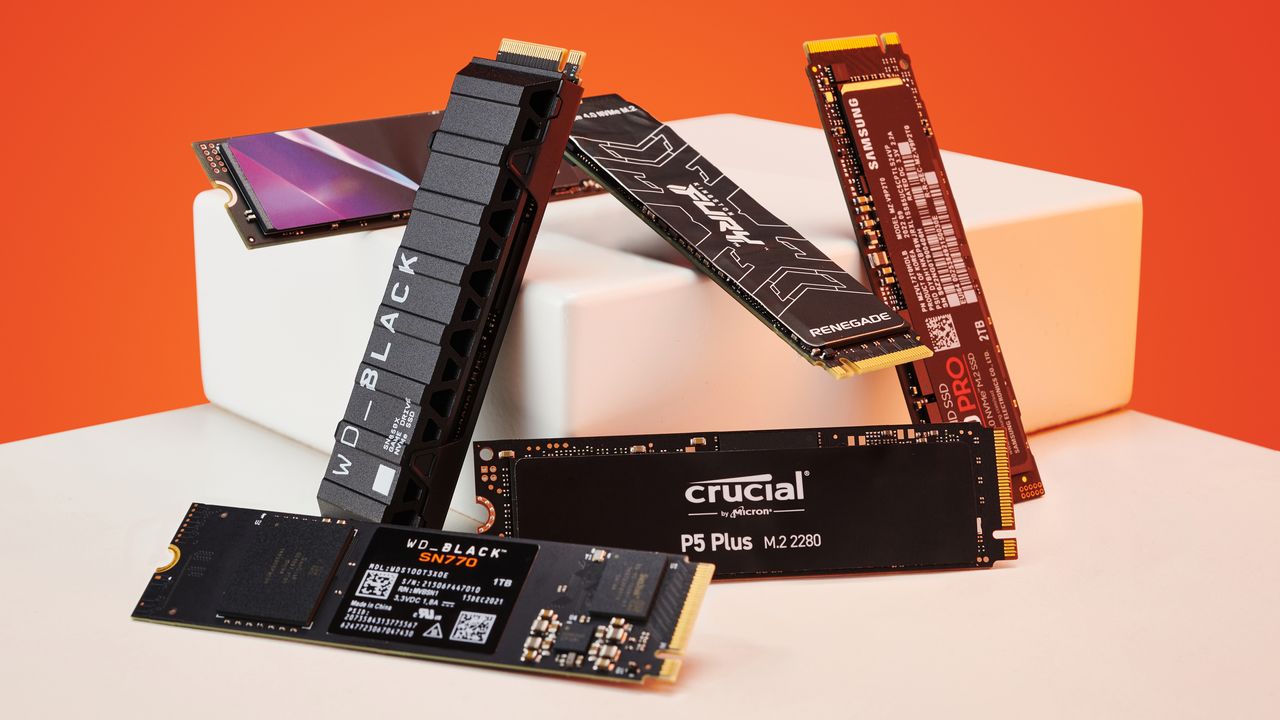
A collection of NVMe SSDs on orange.

Here I am with your weekly reminder that the ongoing memory/SSD crisis isn't going anywhere soon. The CEO of Phison has spoken about the state of affairs in 2026 and beyond—and it's all looking rather doom and gloom for the average consumer.

According to a Commercial Times report, Phison chief Pua Khein-Seng said that he expects NAND flash prices to keep rising, as he's been told it will take four years for new production capacity to catch up with demand. That's potentially 2030 and beyond, for the less math-inclined.

Pua noted that demand from AI infrastructure customers, among others, is expected to rise from late this year into early 2027. Phison is building up its inventory in advance—but while it's made efforts to ensure stable supply over the next two years, the current bottleneck comes in the form of NAND supply.

Pua was told there's a four-year lead time from investment in new plant construction to actual supply, so while the groundwork for new NAND-producing facilities has begun, it'll still be some time before the fruits of their efforts reach the market.

His comments echo those of Micron executive Sumit Sadana last week, who stressed the difficulties of quickly spinning up new memory wafer fabs in order to meet voracious AI demand. Basically, these facilities don't spring out of the ground the same way an AI data center might, so don't hold your breath.

(Image credit: Jakub Porzycki/NurPhoto via Getty Images)

However, it might be an even worse story for storage versus system memory. While DRAM supply concerns could potentially be eased by newer, more-lightweight AI models, the vast amounts of data required (and produced) by AI servers will need to be stored somewhere.

So, while the shortages are inextricably linked, the differing needs of the demands might throw yet another spanner in the works. It's all up in the air, but it's certainly not looking good for the end consumer.

With AI demand expected to increase, supply continuing to be constrained, and new production facilities seemingly a long way out, Pua says that his company is reducing resources towards the retail market, and shifting more focus towards enterprise and AI instead.

Looking at the painful consumer SSD prices at the moment, it's difficult to imagine them continuing to increase all the way to 2030. But, as these reports confirm, it's not looking like we'll see an improvement any time soon. Quite the opposite, in fact, which is dreary news to end an article with. Anyone read any good books lately?

Sign up to read this article
Read news from 100's of titles, curated specifically for you.
Already a member? Sign in here
Related Stories
Top stories on inkl right now
One subscription that gives you access to news from hundreds of sites
Already a member? Sign in here
Our Picks
Fourteen days free
Download the app
One app. One membership.
100+ trusted global sources.