
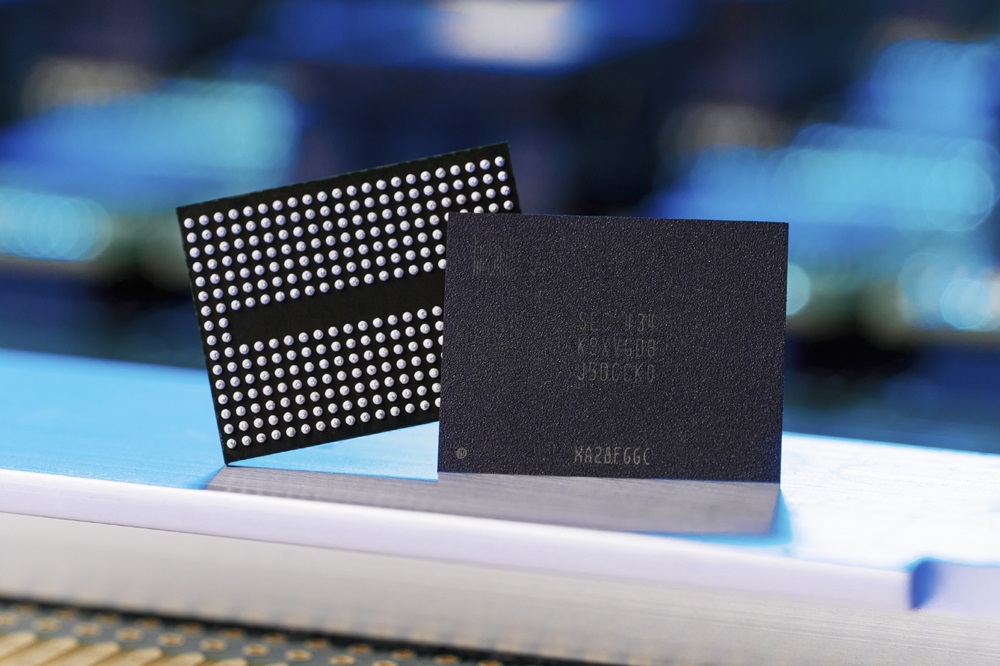
With the arrival of 3D NAND about a decade ago, the storage capacity of solid-state drives has been increasing rapidly, and the per-GB price has been decreasing steadily. It is why the vast majority of client PCs use SSDs these days. IEEE believes this trend will continue in the coming years, increasing SSD storage capacity to at least quadruple by 2029.
The reason 3D NAND has been increasing capacity is multifaceted. On the one hand, the number of active NAND layers has increased over the years, and on the other hand, the number of bits stored per NAND memory cell has increased from two to three (triple-level cell, TLC) and four (quad-level cell, QLC). Both innovations have happened over time and were meticulously calculated to achieve economic targets regarding per-TB costs.














