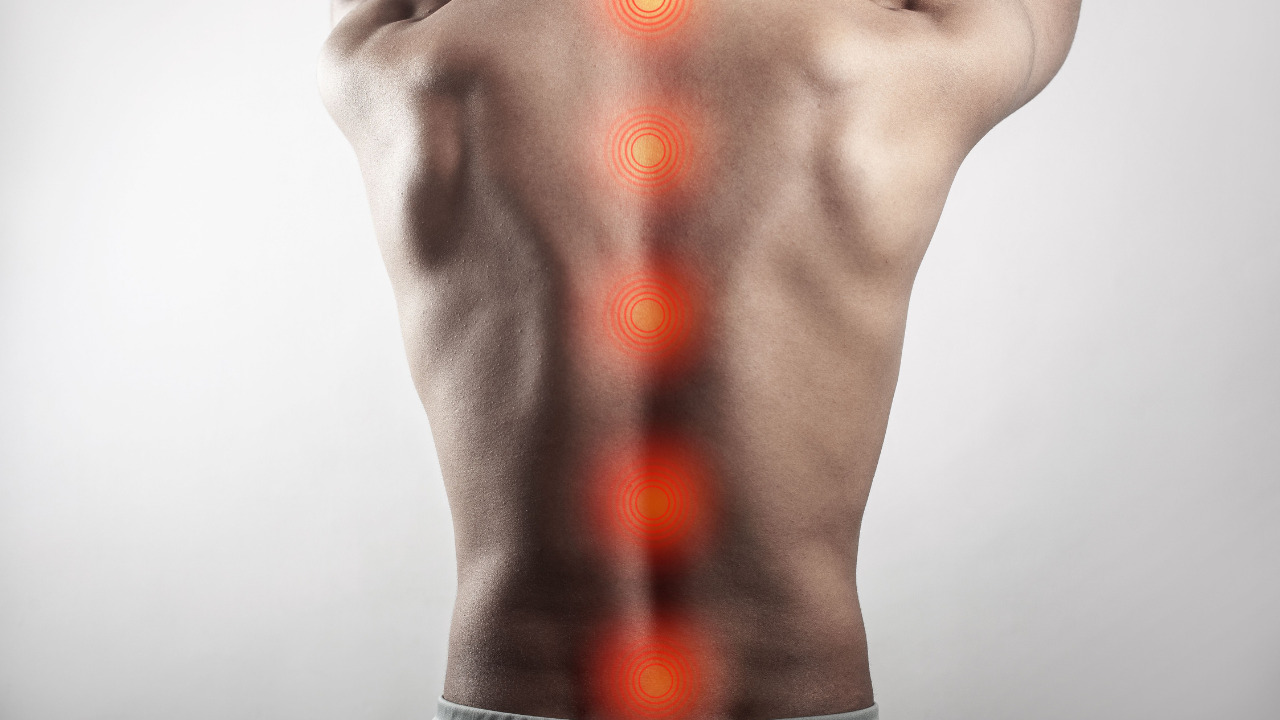
Spinal cord injuries have profound implications for an individual's overall health that extend beyond the commonly recognized paralysis. The spinal cord, a critical component of the central nervous system, plays an indispensable role in regulating bodily functions and facilitating communication between the brain and peripheral nerves. When compromised, as in the case of an SCI, a cascade of physiological and systemic changes occurs, impacting nearly every facet of a person's health.
Firstly, sensory and motor deficits stemming from SCI often lead to secondary complications such as pressure ulcers, muscle atrophy, and joint contractures. These issues can result in chronic pain, loss of mobility, and a significant decrease in the quality of life. Beyond the musculoskeletal system, the autonomic nervous system is majorly affected. Dysregulation of blood pressure, heart rate, and body temperature can occur, making individuals with SCI susceptible to orthostatic hypotension, bradycardia, and thermoregulatory dysfunction.