It used to be hard being a comic-book nerd. Anyone under the age of about 20 may struggle to believe it but, for a long time, superhero enthusiasts were poorly serviced by Hollywood. Characters would have their idiosyncrasies sanded down for a “mainstream” market; most superhero films could charitably be described as camp schlock. The genre started to open up with the success of Sam Raimi’s dynamic Spider-Man trilogy (particularly the first two entries, in 2002 and 2004) and Christopher Nolan’s gritty, Oscar-winning Batman sequel The Dark Knight, in 2008. Now, we live in a world where comic-book nerds often seem like the only market Hollywood is interested in courting. And everyone ends up poorer for it.
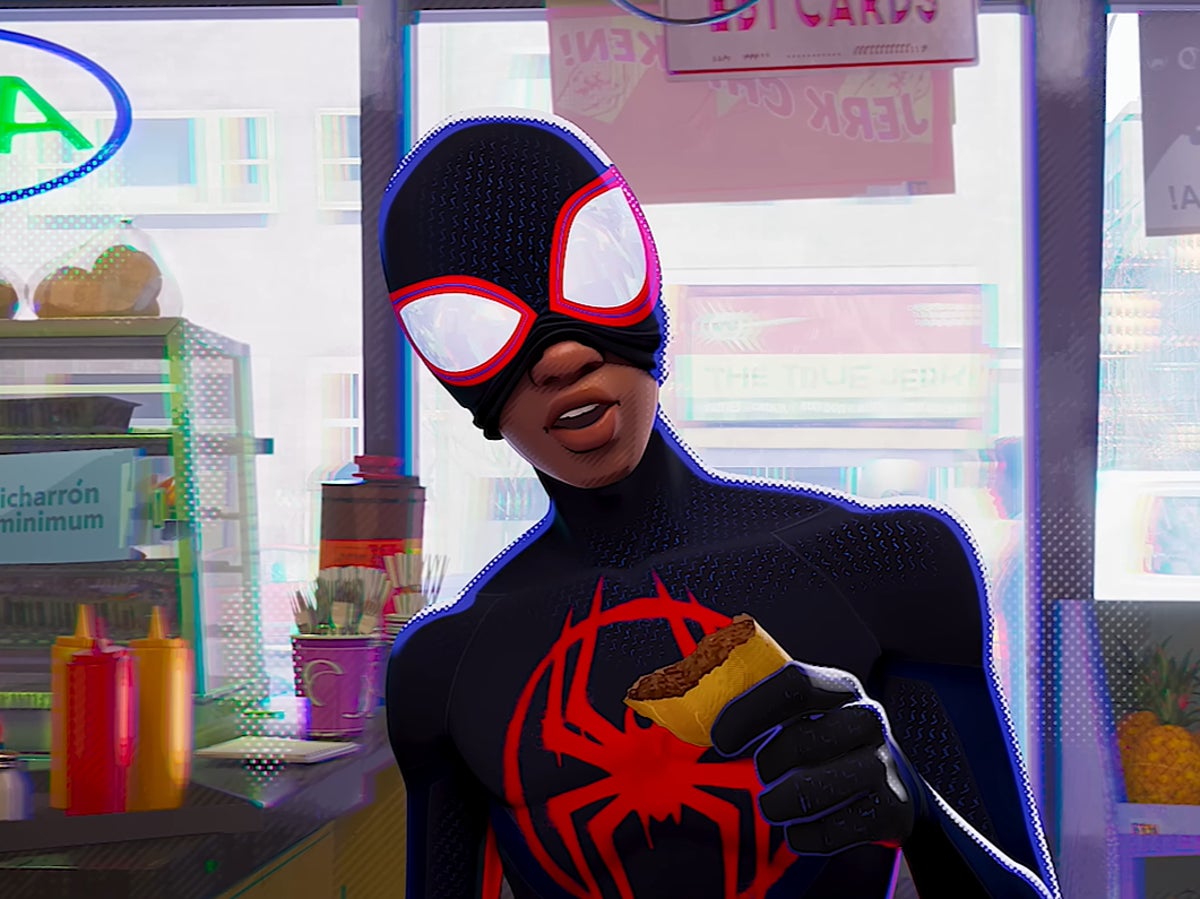
This week, Spider-Man: Across the Spider-Verse was released in cinemas. It is a sequel to the acclaimed 2018 animation Spider-Man: Into the Spider-Verse, and follows arachnidian teenager Miles Morales (Shameik Moore) as he meets a panoply of alternative Spider-people from different dimensions. It is the fourth major superhero movie of the year so far (after Ant-man and the Wasp: Quantumania, Shazam! Fury of the Gods and Guardians of the Galaxy Vol. 3) and the ninth Spider-Man film since Raimi’s 2002 hit, not counting the several other Marvel films in which the character appears. By any reasonable metric, this is surely excessive.