
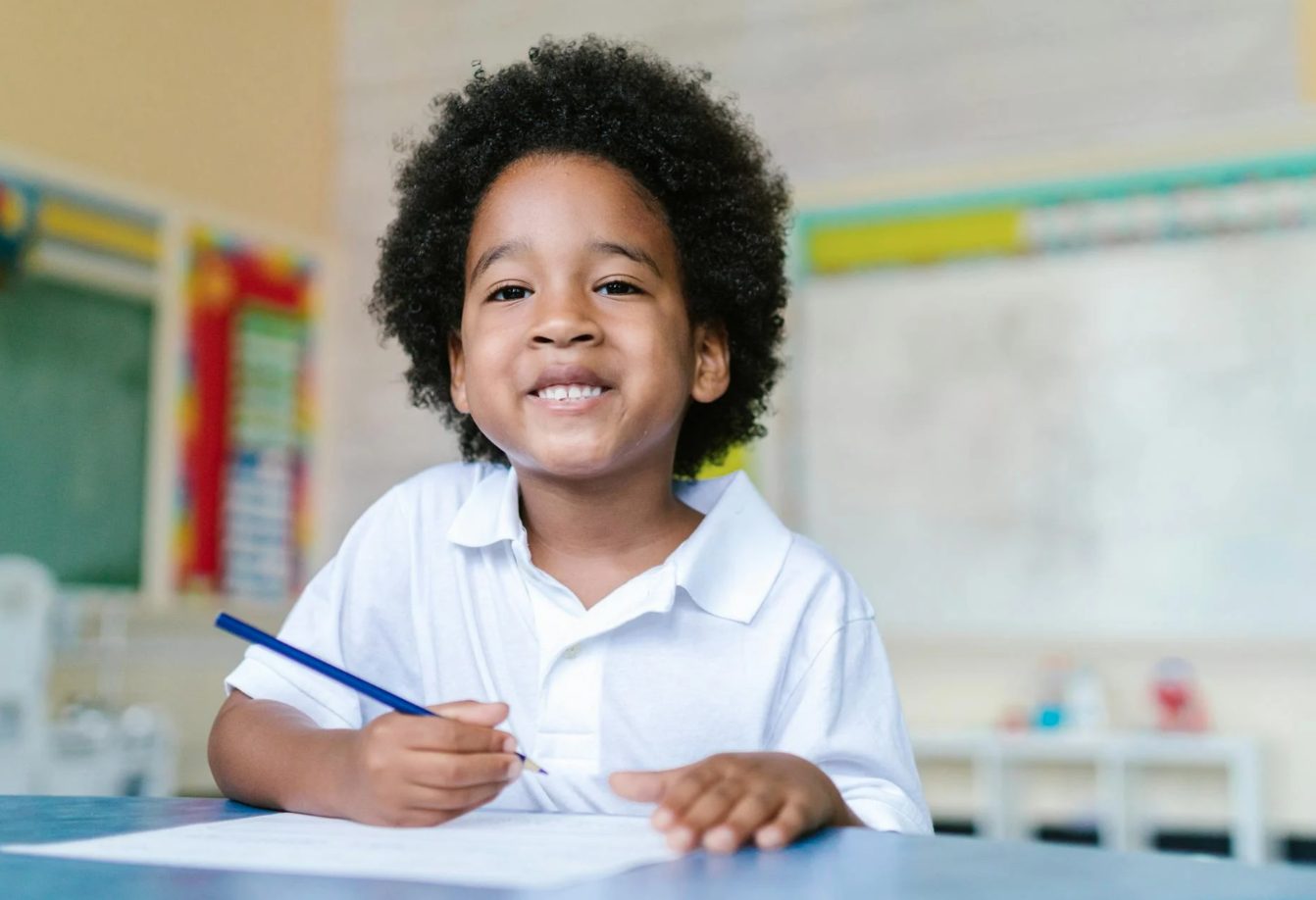
Image Source: Pexels
Inclusive classrooms are no longer a niche approach—they’re quickly becoming the standard across American schools. Over the past decade, educators, parents, and policymakers have pushed for learning environments where students with and without disabilities learn side by side. This shift isn’t just about policy; it reflects a deeper understanding of how children learn, socialize, and succeed. From urban districts to rural communities, schools are rethinking traditional special education models. The result is a growing movement that prioritizes access, equity, and real-world readiness for every student.
The Research Behind Inclusive Classrooms Is Stronger Than Ever
One major reason inclusive classrooms are expanding is the overwhelming body of research supporting them. Studies consistently show that students with disabilities perform better academically and socially when they learn alongside their peers. For example, a child with a learning disability may benefit from hearing different perspectives during group work. At the same time, general education students often develop stronger empathy and collaboration skills. This mutual benefit makes inclusive classrooms a win-win, not a compromise.
Federal Laws and Policy Changes Are Driving the Shift
Policies tied to the Individuals with Disabilities Education Act (IDEA) emphasize educating students in the “least restrictive environment.” This means schools are encouraged to place students in general education settings whenever possible. In practice, that often translates into inclusive classrooms supported by special education professionals. Districts that once relied heavily on separate classrooms are now investing in co-teaching models. As accountability increases, schools are aligning their practices with these legal expectations more closely than ever.
Co-Teaching Models Are Making Inclusion More Practical
Inclusive classrooms work best when teachers are supported, and co-teaching has become a key strategy. In many schools, a general education teacher and a special education teacher share responsibility for the same classroom. This allows for differentiated instruction without isolating students. For instance, one teacher might lead a lesson while the other provides targeted support to small groups. This approach not only benefits students with special needs but also helps struggling learners who might otherwise go unnoticed. As a result, inclusive classrooms become more effective and less overwhelming for educators.
Parents Are Advocating for More Inclusive Options
Parents have played a powerful role in expanding inclusive classrooms across the U.S. Many families want their children to feel part of their community, not separated from it. A parent of a child with autism, for example, may notice improved communication skills when their child interacts daily with peers. At the same time, parents of general education students often appreciate the social growth their children experience. This growing demand has pushed school districts to rethink outdated models. Inclusion is no longer just an educational strategy—it’s a community expectation.
Social-Emotional Learning Benefits All Students
Inclusive classrooms go beyond academics by fostering strong social-emotional development. Students learn how to communicate with people who think, learn, and behave differently. This exposure builds patience, empathy, and resilience—skills that matter well beyond the classroom. For example, group projects in inclusive settings often require students to adapt their communication styles. These real-world interactions prepare students for diverse workplaces and communities. In a rapidly changing world, these skills are just as valuable as test scores.
Technology Is Making Inclusion Easier Than Before
Advances in educational technology have made inclusive classrooms more accessible and effective. Tools like speech-to-text software, audiobooks, and adaptive learning platforms allow students to engage with material in ways that suit their needs. A student with dyslexia, for instance, can listen to assignments instead of struggling through printed text. Teachers can also use digital platforms to track progress and adjust instruction quickly. These tools reduce barriers that once made inclusion difficult. As technology continues to evolve, inclusive classrooms are becoming even more practical to implement.
Addressing Challenges and Misconceptions Head-On
Despite the benefits, inclusive classrooms are not without challenges. Some teachers worry about managing diverse needs in a single classroom. Others fear that general education students may receive less attention. However, when schools provide proper training and resources, these concerns are often resolved. Structured lesson planning, ongoing professional development, and support staff can make a significant difference. It’s important to recognize that inclusion is not about lowering standards—it’s about meeting students where they are.
Rethinking Education for a More Inclusive Future
The expansion of inclusive classrooms reflects a broader shift in how we define success in education. It’s no longer just about test scores or rigid learning paths; it’s about preparing students for life in a diverse and interconnected world. Schools that embrace inclusion are seeing not only academic gains but stronger school communities. While challenges remain, the direction is clear—education is becoming more inclusive, more flexible, and more human-centered. As this trend continues, it will shape how future generations learn and interact.
So what do you think—are inclusive classrooms the future of education, or do they still need major improvements? Share your thoughts and experiences in the comments below. Your perspective could help others better understand this important shift.
What to Read Next
3 Common Challenges Families Face When Accessing Special Education Services
The IEP Gap: Why Some Children With Special Needs Aren’t Getting Full Classroom Support
Texas Schools Update: Special Education Services Expand as Diagnoses Increase
The post Special Education Shift: Why Inclusive Classrooms Are Expanding Across the U.S. appeared first on Kids Ain't Cheap.