Rwanda on Tuesday began its annual commemoration of the 1994 genocide against the Tutsis – a period of remembrance for the victims and reflection on the legacy of the killings. For survivor Godelieve Mukasarasi, that past has shaped more than three decades of work helping women who were raped during the genocide, and children born of sexual violence, to rebuild their lives.
More than 800,000 people, mainly ethnic Tutsis, were killed in about 100 days after the assassination of president Juvénal Habyarimana on 6 April 1994, which followed years of ethnic tension. The genocide has left deep scars across Rwanda, destroying families, communities and social bonds.
Sexual violence was used on a vast scale, leaving many women traumatised and many children born of rape facing stigma and rejection. Around 70 percent of the population was born after the genocide, but its impact is still felt in families, in collective memory and through national commemorations.
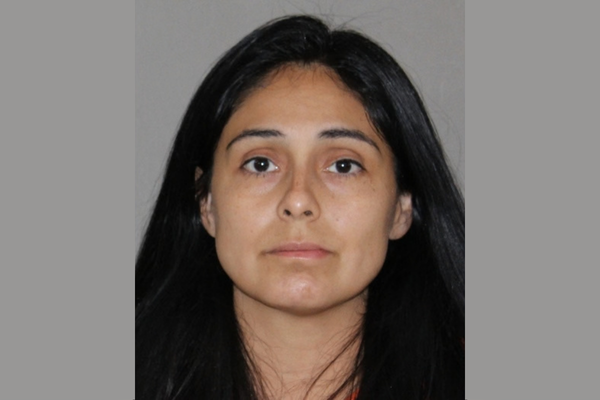
Mukasarasi is a Hutu woman whose Tutsi husband and one of her children were killed during the genocide, which also targeted moderate Hutus amid long-standing ethnic divisions. She was also raped. In the years since, Mukasarasi founded the non-profit Sevota, which has supported more than 1,000 women and children.
In a new book, La Réparatrice, co-written with French journalist Capucine Graby, Mukasarasi shares her story and describes her work. Mukasarasi tells RFI that recovery is not only about justice, but also about restoring dignity and memory.
Bank of France sued over alleged complicity in Rwanda genocide
RFI: Why did you choose the title La Réparatrice (The Repairer) for your book?
Godelieve Mukasarasi: Because it reflects the role I gave myself after the genocide. There were shattered lives, destroyed social bonds and invisible wounds among survivors.
I do not see myself only as a victim, but as someone who helps rebuild dignity and Rwanda’s collective memory. I committed myself to preserving the memory of the genocide by giving survivors a voice and refusing to let it be forgotten.
For me, the title symbolises my role in reconciliation and in justice that helps repair. It is also about repairing what cannot be seen. The book focuses on psychological and social wounds that are invisible but need just as much care as physical injuries.
The word “repairer” goes beyond Rwanda. It speaks to women’s resilience in the face of war violence around the world. It raises the question of whether societies can recover from collective trauma. It embodies the idea that repair is not only judicial, but also human, social and spiritual – for women, for children, for the fabric of communities and for the memory shattered by genocide.
RFI: Through Sevota you have supported more than 1,000 women who were raped, and children born of rape. Is speaking out central to the rebuilding process for you?
GM: Survivors were silenced by shame, fear or stigma. Giving them a space where they can speak freely, be heard and be recognised is already a form of healing. Speech becomes a tool of liberation. Expressing what they went through helps them regain control of their own story. It is also an act of memory and transmission.
What we do is both therapeutic and political. We give a voice back to those who were silenced and ensure their stories become part of a collective memory that refuses erasure. In our spaces, other forms of expression also help, such as prayer, songs, poetry and theatre. Working on trauma through the body can be a gentler approach, because speaking can sometimes trigger painful memories.
We also focus on economic recovery. Poverty and precarity play an important role in psychological stability, so we introduced income-generating activities to help women become more independent. Accepting yourself as a survivor, and accepting a child born of violence, is very difficult. The women even created a song saying their children are beautiful.
Rwanda marks 1994 genocide amid tensions over M23 rebellion in DRC
RFI: As a woman and a mother in a survivor family, what gives you the strength to support others?
GM: When I created Sevota, it was a promise I made during the genocide, when people came to kill my children and my husband. In my prayer, I said that if my children survived, I would create this work. My strength comes from transforming my pain into action – that is already an inner victory. I refused to let suffering define my life.
When I met other survivors, I saw that shared pain can become a bond. I feel memory turning into a future, and their courage feeds mine. I know my story can inspire others, and I carry the responsibility of showing that it is possible to rise again.
Each time I see a young person born of violence succeed, each time a mother accepts and embraces her child, each time she dares to dream of a better future, then we are standing. Standing for dignity, for solidarity and for hope. Because if we survived, it is to live. And if we live, it is to give the world a testimony of resilience and love.

RFI: You have supported what you call “children born of chance” – children born of sexual violence, often rejected and long stigmatised. You say their image has changed. How?
GM: In the past, these children were seen very negatively. They were called children of misfortune, children of the bush, mixed children like their fathers, even traitors, and so on. Today, thanks to support, that image has changed in many ways.
They are now seen as innocent children. They are no longer defined only by the circumstances of their birth, but by their talents, ambitions and achievements. Their image has moved from stigmatised victims to young people who carry the future.
RFI: More than 30 years after the genocide, how is trauma passed on in Rwandan society, when most of the population was born after it?
GM: Trauma is now passed on across generations. Young people still carry indirect effects of what their mothers and society lived through. Some parents still suffer from post-traumatic stress and can pass on anxiety, depression and relationship difficulties to their children.
Rwanda has built a strong model of remembrance, with annual commemorations, museums and NGOs like Ibuka [an umbrella organisation representing genocide survivors] that keep the memory alive. This is very important to prevent another genocide. But young people born afterwards must still deal with a past they did not experience.
Psychologists say they need support from trained teachers, therapists and institutions to help turn this trauma into constructive memory rather than a psychological burden.
Court weighs survivors' claim that French troops stood by during Rwanda genocide
RFI: In your book, you mention the Pelicot trial in France after the repeated rapes suffered by Gisèle Pelicot while she was drugged. You describe it as a turning point. What did that trial mean to you?
GM: That trial was seen as a real turning point. It marked a change in how French and international society deals with sexual violence, especially crimes committed under chemical submission. It strongly echoed our own struggle for recognition of victims and against impunity.
It highlighted forms of violence that are often invisible and minimised. This echoes what many women in Rwanda, and also in Syria and elsewhere, experienced during and after the genocide, often in silence.
RFI: What are your ongoing projects with Sevota in Rwanda?
GM: We are building a peace institute. It will include training, education and meeting spaces, as well as rooms for vocational learning for young people and for medical consultations. There will also be a museum dedicated to women who testified at the International Criminal Tribunal for Rwanda.
And there will be a garden of memory and gratitude called the Garden of the Righteous of Humanity, in Kamonyi [a district in southern Rwanda where massacres took place]. It will be used especially to educate young people about the genocide against the Tutsis in 1994, but also about other genocides.
This interview has been adapted from an audio version in French by and lightly edited for clarity.