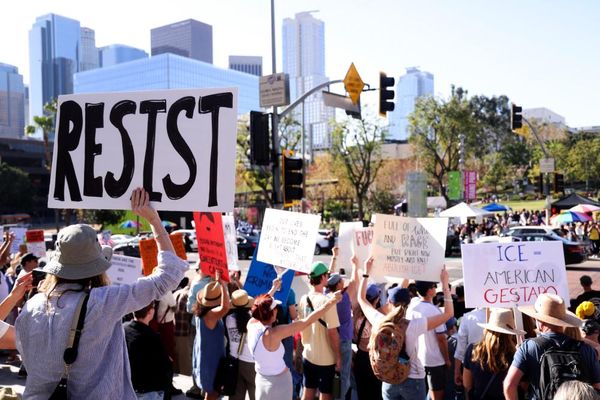
In the summer of 1972, the Women’s Liberation Movement was fighting hard, through rallies and marches, for social, sexual and reproductive liberation. The “second wave” of feminism was at its peak, gaining notoriety after a group threw flour bombs at the Miss World beauty pageant in 1970, highlighting the objectification of women. It hit the news once again in the UK in 1972 when a group of women night cleaners went on strike in London for better working conditions.
Unsurprisingly, not everyone at the time was on board with these women’s claims for equality and the British and American presses often caricatured them as humourless, hairy-legged, bra-burning, unsexed harpies who were set against marriage, families and femininity. To counter the noise of this sort of coverage came the groundbreaking feminist magazine Spare Rib.