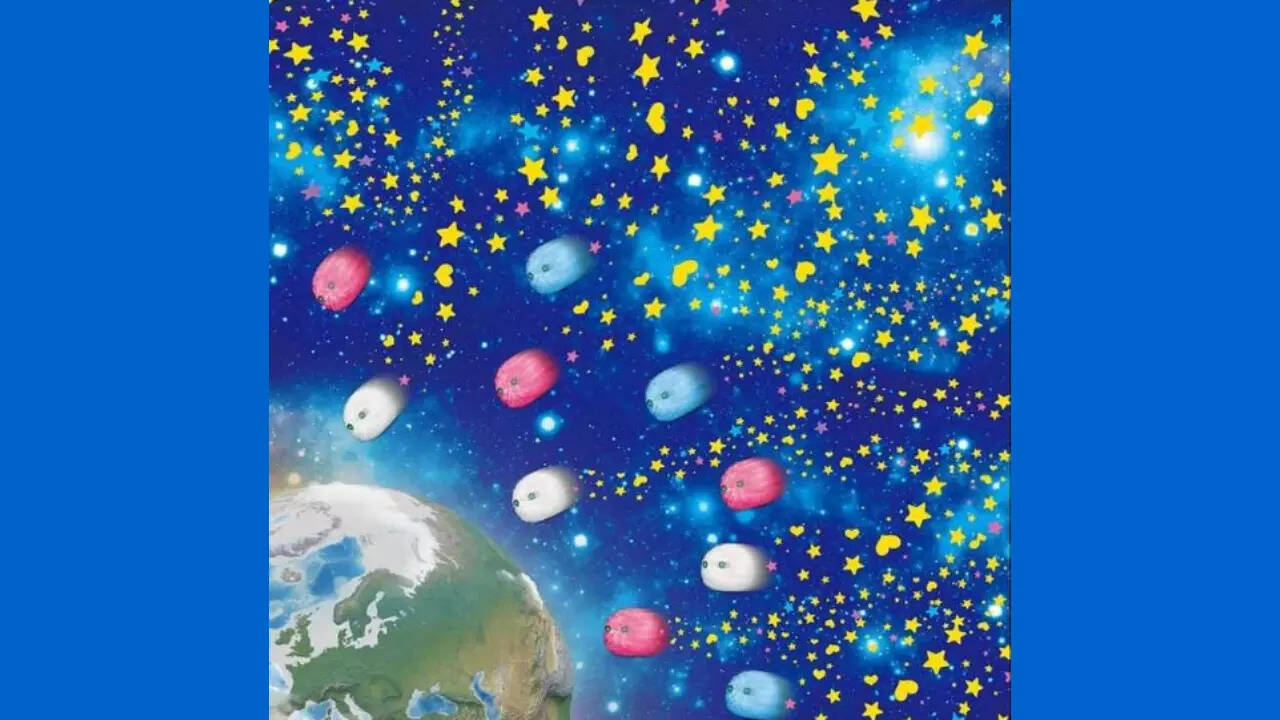
Optical illusions are captivating images or scenes that may manipulate your brain's rational thinking and visual perception. They often lead you to perceive something different from what is actually there. This phenomenon occurs due to a process known as "perceptual filling-in" or "visual completion." It's a cognitive mechanism where your brain fills in missing or obscured visual information within an image or scene based on context and prior knowledge.
Each person's brain interprets images uniquely, resulting in distinct perceptions. For instance, when gazing at an ancient monument, you may perceive it as majestic, while a friend might not share the same impression. Optical illusions serve as valuable tools for exploring this variability in human perception. When you encounter an optical illusion, your mind relies on recognizable patterns to make assumptions. Here's an example: