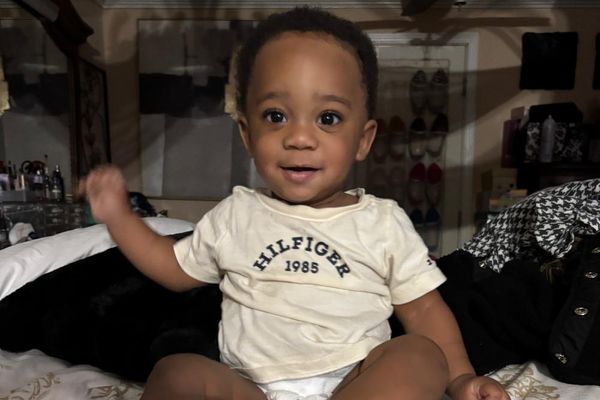
Kunyashe is a Grade 1 pupil in Cape Town, South Africa. She’s very focused on her schoolwork. She shares a tiny one-roomed shack, hardly bigger than a double bed, with her mother and four siblings. Kunyashe receives a meal at school – her teacher once saw the little girl spooning some of this meal into another container to take home for her baby brother.
This is the context in which many South African children learn to read. But it’s a context that received no mention when the country’s Department of Basic Education, on 16 May, released the alarming preliminary findings of the Progress in Reading Literacy Study (PIRLS 2021).