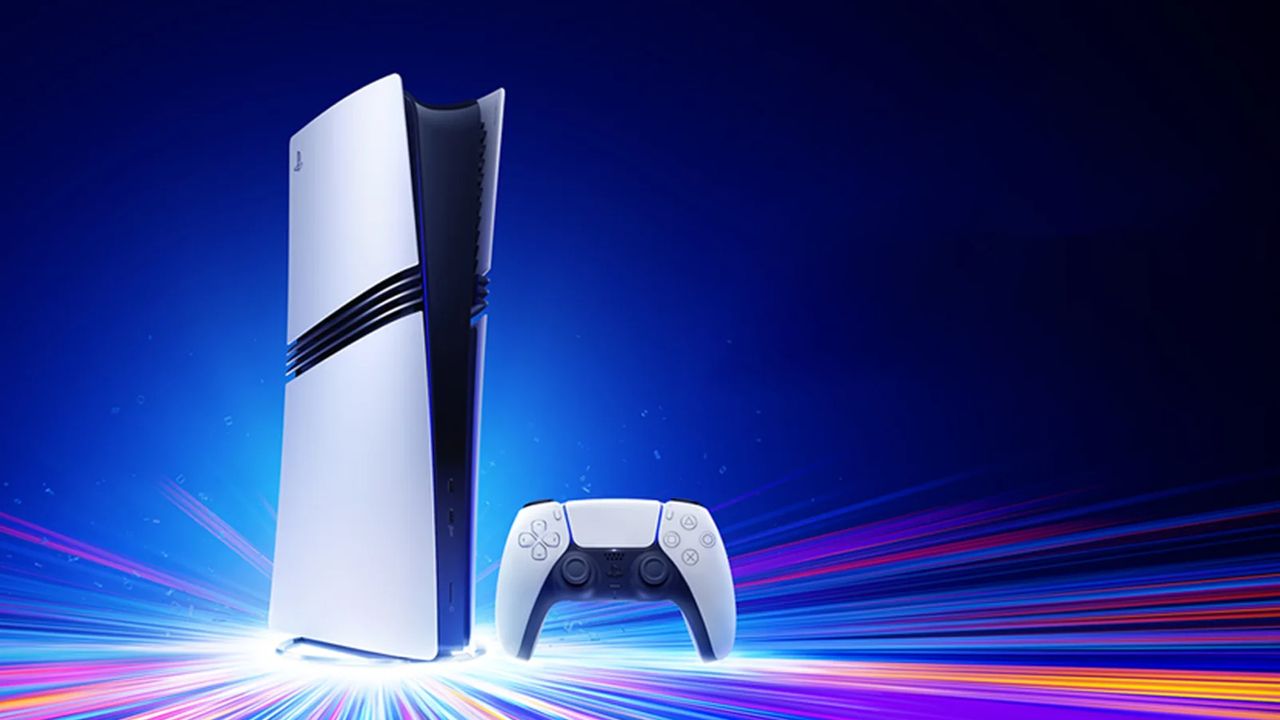
Sony's next-generation PlayStation consoles could come in a unique lineup featuring three models: a PS6 S (or Lite), a PS6 handheld, and a full PlayStation 6. The S and handheld models would feature the AMD-built Canis chipset, while the full model would have the more powerful Orion CPU.
The latest leak comes from the YouTube channel Moore's Law is Dead in a video where the host attempted to lay out pricing for Sony's future consoles.

The relevant portion starts about 15 minutes in, but here's the cogent bit for our purposes.
The price range for Sony's new lineup is $350 to $1,000. Again, this is an estimation on MLID's part based on component costs and potential tariffs. The price ranges below are based on estimates that factor in a 30% tariff protection and those that do not. MLID also notes that it's based on current RAM prices, which could change by the time Sony actually starts purchasing RAM.
- 'PS6 S' - $349 - $549
- PS6 handheld - $499 - $699
- PS6 full console - $699 - $999
He goes on to say that the Orion-based console could have two versions, similar to the PS5 at launch, with a disc-based variant and a digital-only one. Though I lean toward Sony finally ditching the discs in favor of a disc-drive add-on similar to what it offers now.
It'll be interesting to see how Sony prices the next generation since the current global situation has forced companies to raise prices. The base PS5 starts at $599 for the digital edition, while the Pro model is $899. Every single PS5 now costs hundreds more than it did at launch, something that rarely happens as a console ages.
What's coming?

Based on previous leaks regarding the Canis and Orion chips, the Canis chip should be more powerful than the Xbox Series S and the Nintendo Switch 2 but slightly less capable than the base PS5.
To date, Sony has been pretty mum on its plans for the next generation. Last fall, Sony's Mark Cerny confirmed that the PS6 was a few years away in a discussion with AMD's Jack Huynh.
They did say that the two companies are refining ray and path tracing to reduce the stress on the GPU. It could also have lower power consumption. The PS5 is a behemoth, and it would be nice if the next-gen could shrink back down a bit.
Cerny did seem to indicate that the PS6 chips could open things up for a handheld.
"There's a multitude of benefits for this, including lower power consumption, higher fidelity assets, and perhaps most importantly, the synergies that Universal Compression has with Neural Arrays and Radiance Cores as we work together to deliver the best possible experiences to gamers."
Current rumors suggest that the PlayStation 6 will debut in 2027, possibly 2028. Some of this may depend on RAMageddon, but 2027 has been the most consistent release window that we've seen.