
Get all your news in one place.
100's of premium titles.
One app.
Start reading
Digital Camera World
Adam Juniper

Sony signs deal to produce sensors with "Physical AI" at scale with TSMC –this could be the future of imaging sensors

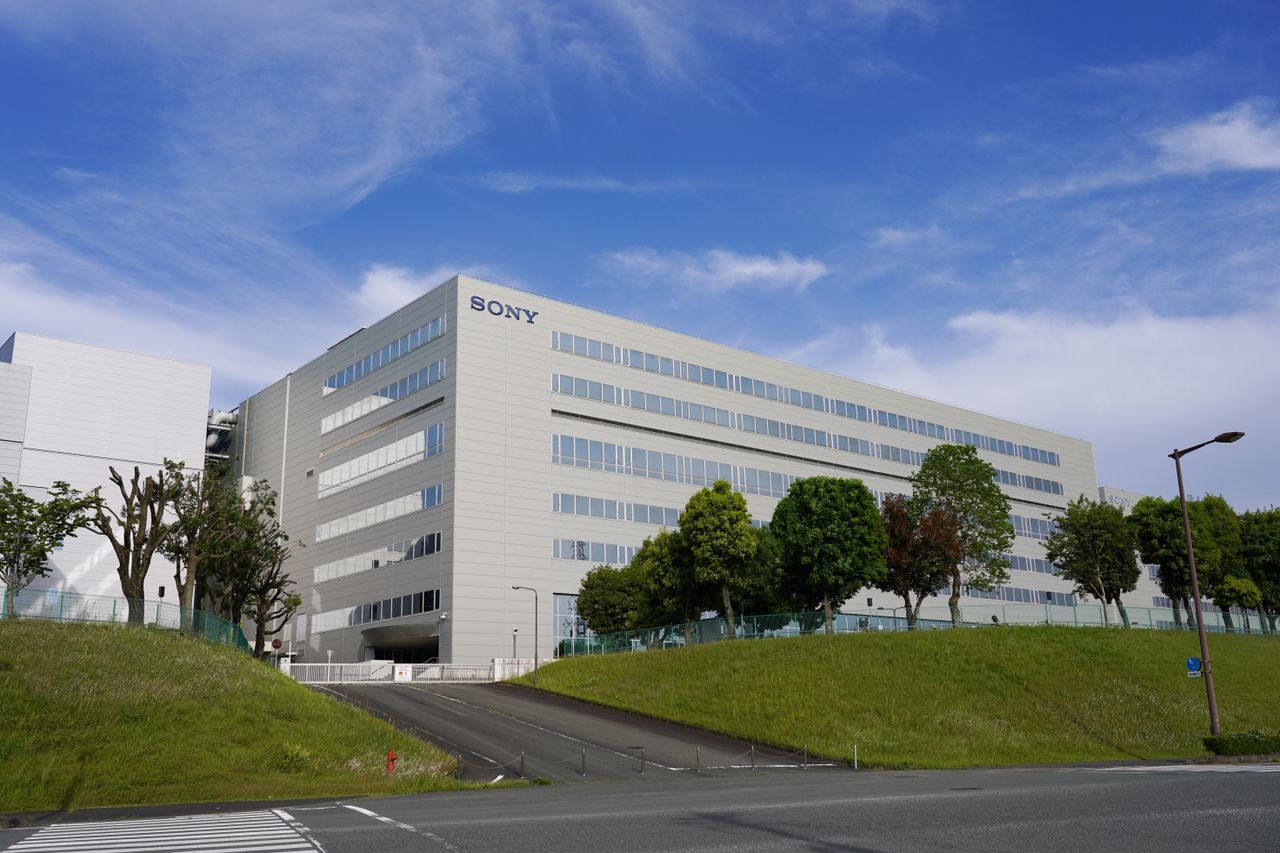
The Sony Semiconductor Manufacturing Corp.'s technology center in Kikuyo, Kumamoto Prefecture, Japan.

Sony has announced that it has signed a deal with Taiwan Semiconductor Manufacturing Company (TSMC) to partner on building a new generation of image sensors with "Physical AI".

Sony is the dominant image sensor chip company, supplying the sensors for many camera firms and mobile phones – including iPhones – and has over 50% of the market.

In the last year, however, Sony has already shifted some responsibility for its legendary TV division to the Chinese company TCL. Clearly the modern Sony is not against partnerships.

Under the memorandum of understanding with TSMC, Sony will retain a majority stake in the new company – which, with up to ¥60 billion yen (around $382 million / £280 million / AU$527 million) in support from the Japanese government, will build new fabrication plants.

The two proposed new plants will be in Kumamoto, which neighbours Kikuyo, where Sony's existing plant already exists, and where the first new production line is planned.

Sony's technical strengths lean toward the design side, and the new image sensors will continue the improvement of stacking technology that keeps the light-sensing parts of the image sensor away from the logic processing elements.

Miniaturization of both the light-capturing diodes and the logic circuits is a goal.

TSMC, meanwhile, is known for its impressive production capacity and a 22nm process (this is good in imaging, where chips need to be slightly thicker for photon collection – in case you are mentally comparing to an iPhone processor chip).

Interestingly, especially after recent announcements from other companies in the autonomy space, this is another generation of sensors with "Physical AI" in mind.

Some who follow Sony's history might find the circumstances of this deal still raise an eyebrow. Sony's sensor division drives $9.6 billion in profits – so why share?

Sony has historically profited out of deals. Even the massive PlayStation division happened because Nintendo (which, back in the Nineties, was the power player in gaming) misjudged a deal over a CD player for its console, pulled out, and humiliated Sony.

In this case, the future Sony is looking to isn't just camera sensors, but sensors that can play host to the AI processing capacity to help autonomous devices (robots, robotic cars and the like) – not unlike the recently announced LiDAR chips that could make CMOS obsolete (albeit not anytime soon).

Physical AI means any sort of processing of the real-world environment, which can be useful in computational photography. but also for devices that create their own picture of the world.

No company wants to be left out of the race, and Sony and TSMC's plan – expected to deliver a fully operational plant by 2029 – could be a big part of the future of imaging.

You might also like…

To see what the company can do with today's sensors, take a look at the best Sony cameras ranging from cameras for beginners to professional cameras.

Sign up to read this article
Read news from 100's of titles, curated specifically for you.
Already a member? Sign in here
Related Stories
Top stories on inkl right now
One subscription that gives you access to news from hundreds of sites
Already a member? Sign in here
Our Picks
Fourteen days free
Download the app
One app. One membership.
100+ trusted global sources.