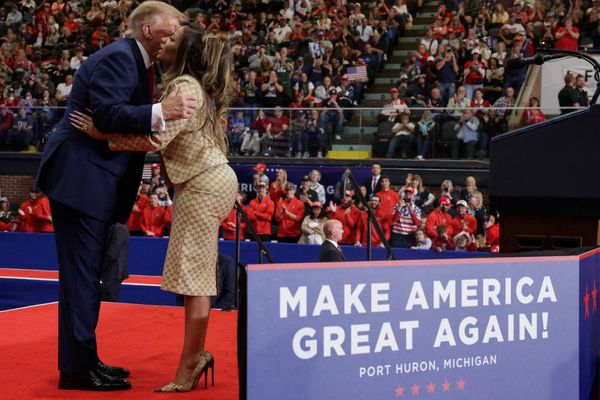

For the first time in recent history, politics has officially overtaken inflation and healthcare as the top concern for American investors. As we move through the final days of 2025, financial planners across the country report that their clients are increasingly making decisions based on headlines rather than balance sheets. This heightened anxiety has led a growing number of people to reposition their investment accounts in an attempt to shield their savings from potential policy shifts. Whether it is fears over new trade tariffs or debates about the national debt ceiling, the emotional toll of the news cycle is now a primary driver of market behavior. Understanding the difference between a strategic move and a panic-driven mistake is vital for long-term success.
The Push Toward Defensive Asset Allocation
The most visible trend in late 2025 is the mass movement of capital into “defensive” sectors like gold, utilities, and short-term treasury bonds. Many Americans feel that the domestic political environment has become too “unstable” to maintain their traditional high-growth stock portfolios. By shifting their investment accounts toward these perceived safe havens, they are trading the potential for high returns for the promise of lower volatility. However, experts at J.P. Morgan warn that being too defensive can actually be a risk in itself, especially if the market continues to rally behind technological innovations like AI. The challenge is finding a balance that lets you sleep at night without missing out on the growth you need for retirement.
International Diversification as a Political Hedge
A fascinating shift is occurring where “patriotic” investing is being replaced by global diversification as a way to minimize domestic risk. Many institutional and individual investors are looking outside the United States, pouring money into European and Japanese markets to avoid the specific policy “shocks” happening in Washington. They view these international investment accounts as a way to decouple their wealth from the 2026 U.S. midterm election cycle and potential trade disputes. By spreading their assets across multiple jurisdictions, they hope to ensure that a single legislative change in the U.S. won’t devastate their entire net worth. This global approach is becoming a standard recommendation for those with high net worth who feel over-exposed to American political drama.
The Danger of “Panic-Selling” Based on Headlines
While it is tempting to dump your stocks after a particularly divisive news report, history shows that the market rarely reacts the way we expect it to. Many investors who cleared out their investment accounts in early 2025 fearing a “government shutdown” or “trade war” missed out on one of the strongest market rallies of the decade. The CFP Board notes that timing the market based on political events is notoriously difficult and often leads to significant tax liabilities and missed gains. Most successful investors find that sticking to their original, long-term plan is far more profitable than trying to predict the next move of a polarized Congress. Your portfolio should be built to withstand any administration, regardless of which party holds the gavel.
The Rise of “Values-Based” Investment Shifting
Beyond just seeking safety, some Americans are moving their money to ensure their investment accounts align with their personal political and social values. This “anti-ESG” or “pro-ESG” movement has led to a fragmentation of the investment landscape where people choose funds based on their stance on energy, healthcare, or corporate governance. While this allows for a sense of moral consistency, it can sometimes lead to a lack of diversification if an investor ignores entire sectors of the economy. Financial advisors are increasingly playing the role of “behavioral coaches,” helping clients express their values without sabotaging their financial security. The goal is to make sure your political convictions don’t end up costing you your comfortable retirement.
How to Audit Your Risk Tolerance in 2026
If you feel the urge to move your money, it is a sign that your current risk tolerance might not be as high as you once thought. Use this period of political uncertainty to perform a thorough audit of your investment accounts to see if your “worst-case scenario” is something you can actually afford. If a 10% market dip would cause you to lose sleep or stop your monthly contributions, you are likely over-leveraged in aggressive stocks. Adjusting your “glide path” now—before a major market event—is a proactive way to manage stress without making a reactive, emotional decision. A well-balanced portfolio should feel boring, even when the news is anything but.
Talking to a Professional Before You Move
Before you make any drastic changes to your investment accounts, it is essential to sit down with a fiduciary who can provide an objective perspective. A professional can help you run “stress test” simulations to show how your current plan would perform during different historical political shifts. They can also identify hidden tax traps, like capital gains distributions, that might occur if you sell off large portions of your portfolio at once. Often, the best advice is to make small, tactical adjustments rather than a total overhaul of your strategy. Having a steady hand at the wheel can prevent you from making a permanent mistake based on a temporary political mood.
The Long-Term Perspective on Political Cycles
Ultimately, the American economy has proven to be incredibly resilient, surviving world wars, depressions, and decades of intense political division. While the current climate feels uniquely high-stakes, the fundamental drivers of wealth—innovation, productivity, and compounding—remain unchanged. Those who keep their investment accounts focused on the “next twenty years” rather than the “next twenty minutes” are the ones who consistently come out ahead. Politics is a season, but investing is a lifelong journey that requires a focus on the horizon rather than the waves. Stay informed, stay diversified, and remember that your financial plan is a tool for your freedom, not a reflection of the daily news cycle.
Have you felt the urge to change your investment strategy based on recent political news, and what steps did you take to stay calm? Leave a comment below and let’s discuss how to stay focused on the big picture.
You May Also Like…
- Boomers at Risk: How Market Shocks Could Erase Retirement Savings—And the Gold IRA Fix
- Why Gold Demand Is Expected to Surge in 2026: Key Trends to Watch
- 5 Popular Investments Losing Value Faster Than Predicted
- Pros and Cons of REITs – Should I Invest?
- Investors Are Mistiming the Market Because of a Viral Trend