
Get all your news in one place.
100’s of premium titles.
One app.
Start reading
Frugal Gardening
Frugal Gardening
Catherine Reed

Soil Scientists Warn: This Contamination Is Spreading Fast in Home Gardens Across the South

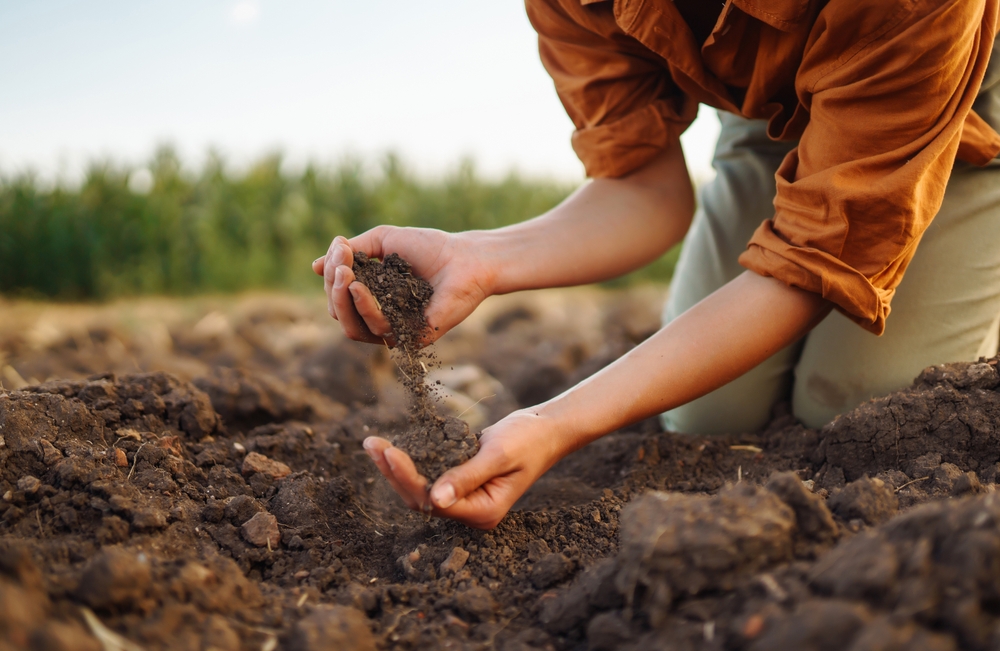
Image source: shutterstock.com

If your garden has ever looked “fine” one week and then started twisting, stalling, or producing weirdly bitter harvests the next, it’s easy to blame weather. But a growing number of gardeners are running into problems that don’t wash off and don’t compost away, especially after bringing in “free” inputs like manure, mulch, hay, or bargain soil blends. The tricky part is that the damage can show up slowly, and by the time plants complain, the source is already mixed into beds you’ve worked hard to build. Soil contamination doesn’t always come from some dramatic spill—it often rides in on everyday materials that seem harmless. The good news is you can spot the risk early, test cheaply, and change your habits without tearing out your whole garden.

How Soil Contamination Sneaks In

Most garden problems start with something added in good faith, like compost, manure, or topsoil meant to boost fertility. If those inputs carry persistent chemical residues or unwanted industrial byproducts, they can affect plants at very low levels. Contamination can also track in from treated lumber, old painted structures, or fill dirt used to level a yard. In warm climates, gardeners add organic matter often. That means there are more chances for a bad batch to spread into multiple beds. The fastest way to reduce risk is to treat every new input like a “mystery ingredient” until it proves itself.

The Most Common “Freebie” Sources To Watch

Horse and cow manure can be a gift, but it can also carry persistent herbicide residues if the animals ate treated hay or pasture grass. Cheap mulch and bulk compost can be inconsistent, especially when it’s made from mixed sources that aren’t separated carefully. Bagged soil can still be risky when it’s built from unknown compost streams or “forest products” that vary by region. If you’re gardening frugally, it’s tempting to grab whatever is available, but one bad load can cost more than a season of seedlings. This is why soil contamination prevention starts with being picky about what enters your beds.

The Plant Symptoms That Should Raise Your Suspicion

Some warning signs look like regular stress, but a few patterns should make you pause before you fertilize again. Twisted new growth, cupped leaves, and stunted tops on tomatoes, beans, peas, and peppers can point to chemical residues rather than nutrient shortages. Patchy failure in one bed while another bed thrives can suggest a contaminated input was used in only one place. Seeds that germinate but never gain momentum may be reacting to a root-zone issue, not a lighting or watering problem. When you see these patterns, treat it as a possible soil contamination situation until you rule it out.

A Cheap, Fast Bioassay Anyone Can Do

Before you spread a new compost or manure source everywhere, run a simple “sprout test” in cups. Fill a few cups with your suspect material mixed 50/50 with known-safe potting mix, and fill a few control cups with only the known-safe mix. Plant quick sprouters like beans or peas, then compare growth for two to three weeks under the same light and watering schedule. If the test seedlings show twisting or slow growth while the controls look normal, don’t use that material in edible beds. This tiny experiment costs almost nothing and can save you from spreading soil contamination across your whole garden.

What To Do If You Think A Bed Is Affected

First, stop adding more of the suspected input, because “fixing” it by piling on compost can make the problem worse. Grow in containers or a clean raised bed for a season while you isolate the issue, so you still get food from your effort. If the problem points to chemical residues, focus on dilution and time: add clean organic matter slowly, improve drainage, and avoid deep tilling that mixes trouble farther down. For heavy metal concerns, the safer move is often to switch to raised beds with a barrier and clean soil rather than trying to “neutralize” the existing ground. The goal is to keep gardening while you contain soil contamination instead of letting it dictate your entire yard.

How To Keep Your Garden Safe On A Tight Budget

Ask direct questions before accepting free manure or compost, like what the animals were fed and whether the hay or pasture was treated. Keep “quarantine beds” where you trial new inputs for one season before you use them everywhere. Favor consistent, traceable materials—like leaf mold you make yourself, compost from your own kitchen scraps, or chips from known local tree work. Store bag labels and note where bulk loads came from, because paper trails help you avoid repeating a costly mistake. Frugal gardening works best when you prevent soil contamination up front, because prevention is cheaper than rebuilding.

The Frugal Clean-Soil Habit That Pays Off Every Season

A thriving garden isn’t just about what you add—it’s about what you keep out. If you treat new inputs like untested ingredients, you’ll catch problems before they spread, and you’ll waste fewer plants and fewer weekends. Start small, observe closely, and scale up only after a material proves it grows healthy seedlings. When something feels “off,” trust the pattern and test instead of guessing with more fertilizer or more water. That one habit protects your harvest, your budget, and your peace of mind.


Have you ever brought in compost, manure, or mulch that seemed to “ruin” a bed? What clues helped you figure it out?


What to Read Next…

Soil Scientists Warn: This Common Amendment Is Spreading Heavy Metals Into Home Gardens

Water Authorities Warn Homeowners: Your Rain Barrel May Be Contaminated

Gardeners in the Carolinas Warned: Soil Mix Is Testing Positive for Lead

Stormwater Authorities Warn: Your Garden Could Be Causing Basement Mold

Experts Say Houseplant Soil Mix Is Causing Gnat Infestations

The post Soil Scientists Warn: This Contamination Is Spreading Fast in Home Gardens Across the South appeared first on Frugal Gardening.

Sign up to read this article
Read news from 100’s of titles, curated specifically for you.
Already a member? Sign in here
Related Stories
Top stories on inkl right now
One subscription that gives you access to news from hundreds of sites
Already a member? Sign in here
Our Picks
Fourteen days free
Download the app
One app. One membership.
100+ trusted global sources.