
Get all your news in one place.
100’s of premium titles.
One app.
Start reading
Ideal Home
Ideal Home
Holly Cockburn

‘Soft kitchens’ are the latest way kitchen pros are making our cooking spaces work harder – it’s the secret to a warm, inviting kitchen

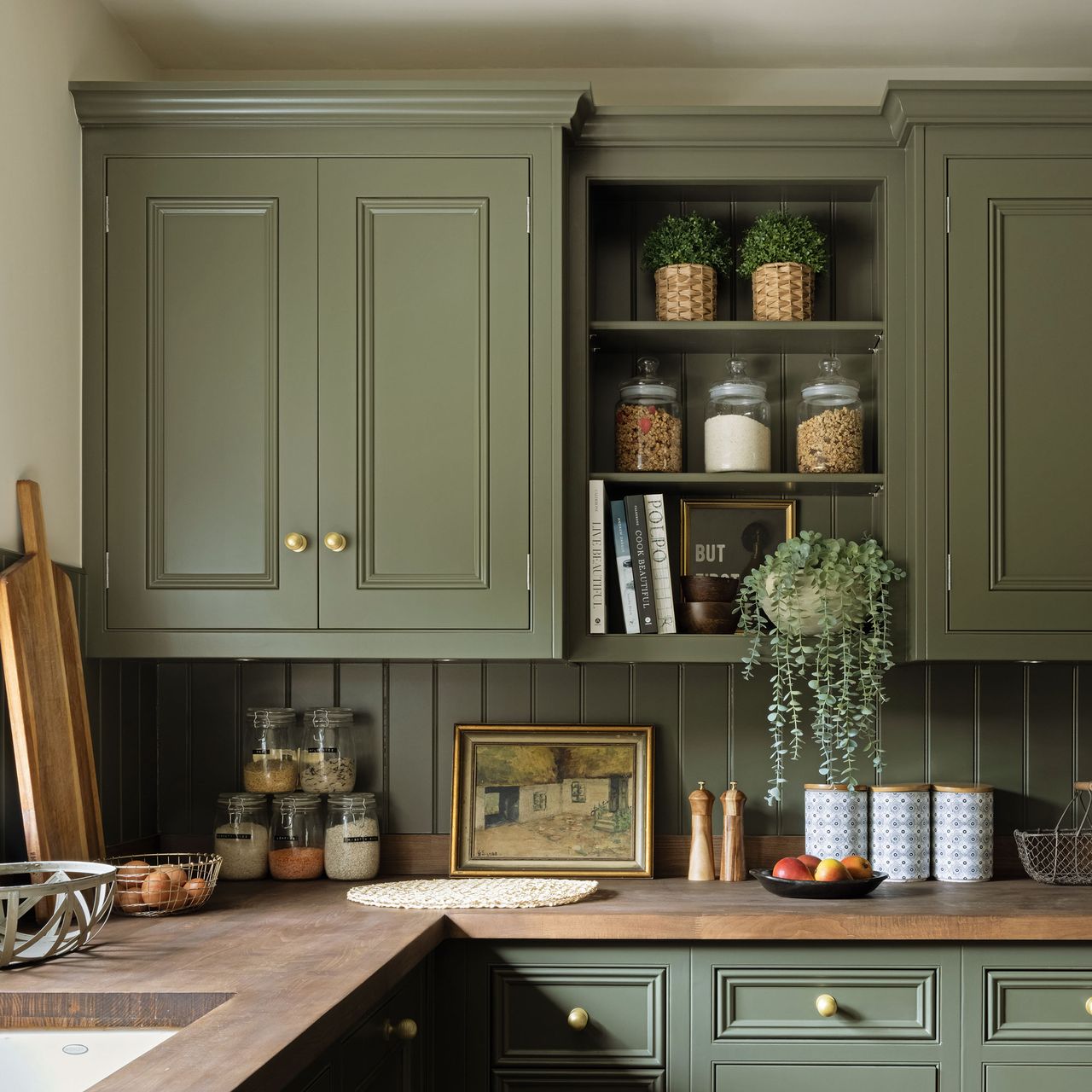
Green kitchen with wood panelling.

As a kitchen editor who has lived through more than a few trends cycles, I can officially say that current craze for lived-in kitchens is the best I've ever seen. Creating a homely space has never been more important than it is now, with more of us using our cooking zones as dual-purpose rooms for living and hosting, which is where the 'soft kitchen' trend comes into play.

The soft kitchen is an ode to a comfortable cooking space that encourages your family to sit, stay and socialise while you're cooking - turning a practical family kitchen into a convivial heart of your home.

Alas, in a room primed for cooking, finding ways to make decor feel softer, more tactile and warm can be a tricky task. These tips from kitchen design pros will encourage you to turn to layered textural finishes and ambient lighting to create a soft kitchen that encourages people to linger.

What is a soft kitchen?

(Image credit: Future/James French)

Kitchen trends have always been a sign of evolving lifestyles. The set-up of Victorian homes shows how kitchens were traditionally the real workhorse of the house, but with family homes getting busier and more sociable as a result of modern life, our kitchens have had to adapt.

Open plan kitchen ideas became increasingly popular in the last decade and don't appear to be going anywhere. They particularly come into their own in the winter months when hosting and homely family dinners increase in frequency, and when heating just one room becomes much more economical. The soft kitchen is a reflection of this, leaning into the warm and inviting atmosphere we want our homes to evoke.

'The rise of soft kitchens signals a shift in how people want to live. The kitchen is no longer a standalone workspace; it is part of the social fabric of the home,' explains Richard Davonport, managing director of Davonport.

'Creating a soft kitchen is all about practical design choices that make the space feel calmer and easier to live in,' adds Al Bruce, founder of Olive & Barr. 'Soft, tactile finishes make an immediate difference; matte surfaces, rounded edges and warm natural materials help take the hardness out of the kitchen, creating a space that feels more comfortable and less clinical.'

How to get the look

1. Layer soft furnishings

(Image credit: Ruggable)

A soft kitchen is all about creating an environment that feels just like your living room, which is why layering lots of soft materials and seating furniture is key.

'A rug is one of the simplest ways to achieve the soft kitchen look that blends both the comfort of the living room, and the practical elements of the kitchen together. Adding softness underfoot instantly brings warmth, texture, and a more relaxed feel to a space that’s often dominated by hard surfaces,' explains Kirsty Barton, marketing manager at Alternative Flooring.

'Practicality matters just as much as style, so opt for a faux fibre with the look of a natural material like sisal. It’s hardwearing, suitable for splash zones and adds a cosy, lived-in feeling to the overall space.'

2. Choose a warm colour palette

(Image credit: Future PLC / Paul Craig)

Earthy kitchen colour schemes have grown in popularity in 2025, and are set to continue into 2026. These shades evoke a cosy feeling that makes the kitchen feel inviting, plus these classic shades are unlikely to date.

'Colour plays a big part as well. Gentle greens and soft blues bring a sense of balance and tranquillity to the room and work beautifully on cabinetry. These tones add warmth without overwhelming the space, creating a relaxed backdrop for everyday living,' Al explains.

3. Avoid overhead lighting

(Image credit: Future PLC/Caroline Mardon)

I'm very anti-big light and there is a good reason for it. Layering ambient lighting instantly softens a kitchen scheme, adding illumination to dark corners and setting the scene for relaxing after a long day.

'Lighting plays an important role here. Instead of relying on a single overhead source, we use integrated shelf lighting to create depth and calm across the room. The glow draws attention to the objects on display and softens the transition between work zones and places to sit, helping the kitchen feel more inviting at any time of day,' Richard explains.

The tone of your bulbs matters too. Massimo Buster Minale, founder and creative director of Buster + Punch adds, 'Avoid harsh overhead lighting when you’re hosting. Bright, flat light kills the atmosphere. Layer softer, dimmer lights, and use a small portable table light on the counter or dining table to make the space feel relaxed and inviting, not exposed.'

Creating a soft kitchen is all about making sure it actually works for your family's needs. When it comes to kicking off your shoes and relaxing after a long day, whether that leads to homework club or a more sophisticated dinner party, your kitchen and layout need to work hard for you.

Adding layers of soft furnishings and lighting will be the finishing touch to an already well-considered space.

Sign up to read this article
Read news from 100’s of titles, curated specifically for you.
Already a member? Sign in here
Related Stories
Top stories on inkl right now
One subscription that gives you access to news from hundreds of sites
Already a member? Sign in here
Our Picks
Fourteen days free
Download the app
One app. One membership.
100+ trusted global sources.







