
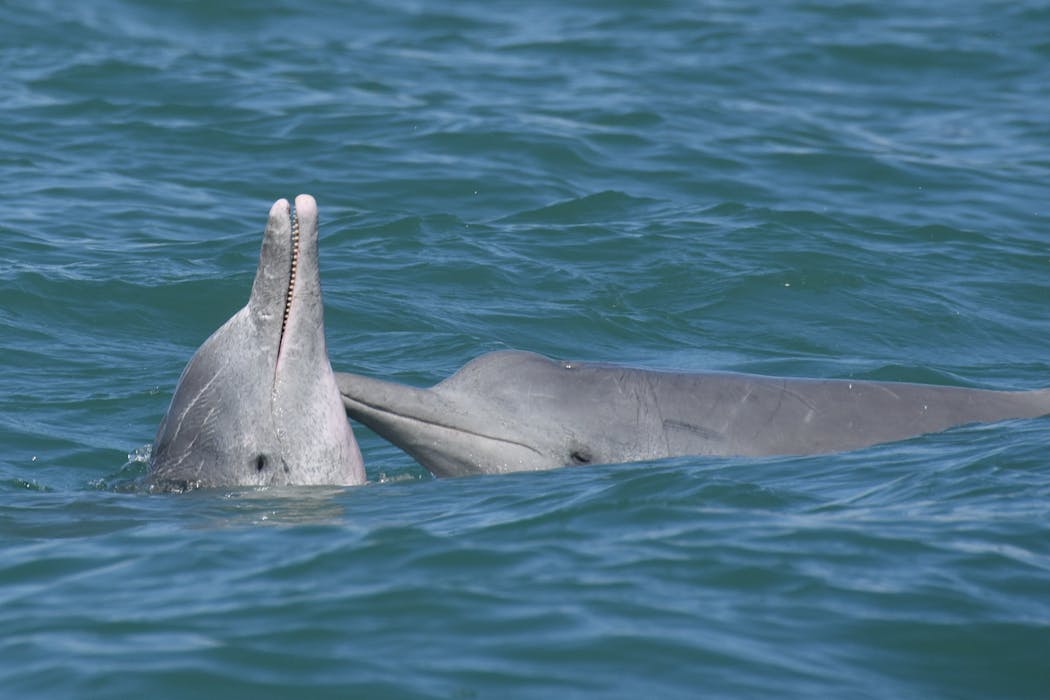
Dolphins, whales and seals are highly social animals. Many live in groups, form long-term relationships, and repeatedly interact with the same individuals over years or even decades. Some dolphins have preferred companions, while others move between groups in fluid, ever-changing social networks.
These social lives bring many benefits, from cooperative foraging to protection against predators. However, our new research, published in the journal Mammal Review, shows they also come with a hidden cost: social connections can shape how infectious diseases spread through marine mammal populations.












