
Get all your news in one place.
100’s of premium titles.
One app.
Start reading
GOBankingRates
GOBankingRates
Caitlyn Moorhead

SNAP Benefits Changes: When Does My EBT Card Reload?

jetcityimage / iStock.com

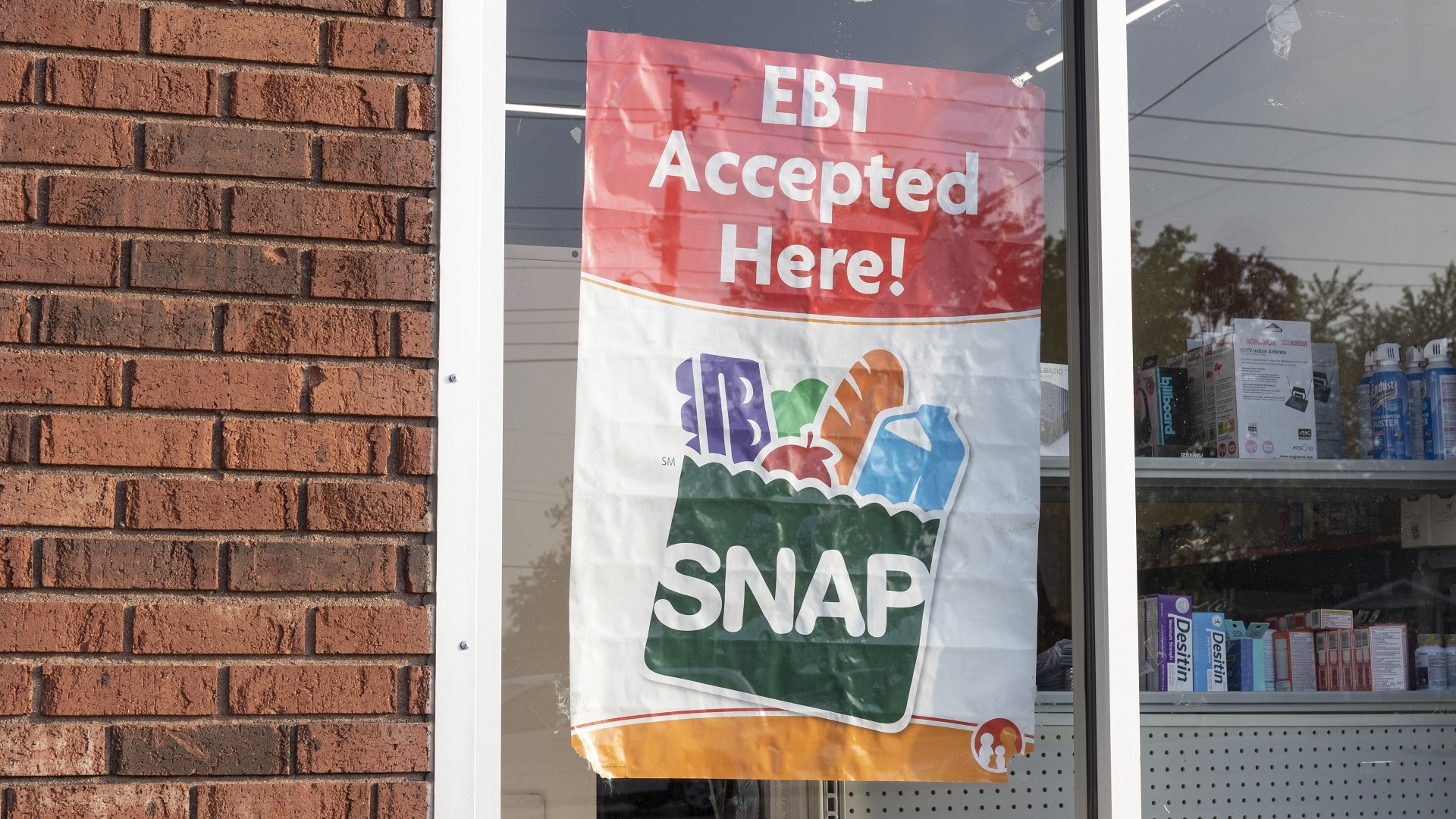
The Supplemental Nutrition Assistance Program (SNAP) is designed to help low-income families purchase food by providing money once a month. Benefits are added to an EBT card, but the timing of reloads varies by state and the type of benefit.

Learn More: SNAP Recipients May Also Qualify for These 5 Programs

Read Next: 4 Clever Ways To Pocket an Extra $1K This Month

If you collect these benefits in 2026, you may have started to feel the changes to the SNAP program and varying new restrictions. However, payment scheduling should remain relatively the same regarding the process for the cash benefits to be deposited on the same day each month, based on factors such as your Social Security number, last name, case number or EBT account number. Keep reading to learn more about when benefits reload.

Quick Take: The Trump Administration vs. SNAP

After the Trump administration passed the One Big Beautiful Bill Act (OBBBA) in July 2025, which significantly impacted SNAP benefits, costs have shifted and new requirements on states were imposed, leading to cuts in eligibility, benefits and which businesses will still accept EBT cards in the future. Here are a few key takeaways for changes to your SNAP benefits in 2026:

  • Federal funding for SNAP was cut by an estimated $186 billion over 10 years, according to the Congressional Budget Office. 
  • The bill requires states to start sharing the costs of SNAP benefits, a responsibility that was previously 100% funded by the federal government. This shift in funding responsibility could result in some states having to cover upwards of 10% to 20% of SNAP costs.
  • The OBBBA added stricter work requirements for SNAP recipients, including parents with children aged 14 and older. It also introduced time limits for benefits for older adults and families with older children. For instance, beneficiaries aged 18 to 64 will need to fulfill work or training requirements of 80 hours monthly.
  • This year, the USDA announced cost-of-living adjustments (COLA) that increase allotments across all 50 states. For example, for a family of four, the maximum benefit will be $994 monthly. The minimum goes to $24, while the shelter deduction cap rises to $744. 
  • There are significant restrictions impending around junk food. Several states, such as Idaho, Utah, Indiana, Iowa, Arkansas, Florida, Texas and Oklahoma, received approval for waivers so recipients cannot use benefits to buy soda, candy and other sugary items.

Check Out: 8 Frugal Habits Americans Are Ridiculed for — and Why You Shouldn’t Care

When Will My EBT Card Reload?

In general, benefits for new cases receiving SNAP eligibility or benefits are deposited between the 1st and 10th of the month. The last digit of the head of the household’s individual identification number will determine the date you receive benefits each month.

If you have eligibility for SNAP benefits and wonder when your SNAP benefits are deposited every month, the easiest option is to visit the provider’s website and find your state in the “EBT in My State” dropdown tab. Here are some key takeaways about how this food assistance program works:

  • In most states, after you apply for SNAP, the benefits are transferred to recipients via a prepaid EBT card, which is a debit card with the specific benefit amounts already loaded onto it. 
  • SNAP benefits are similar to food stamps and can be used in grocery stores or other food retailers for any food for the household, such as fruits, vegetables, meat, poultry, fish, dairy products, bread, cereal and more.
  • Individual states are responsible for scheduling when SNAP payments go out as part of this social service.

When Does EBT Reload by State?

Here is a rundown of when SNAP benefits are reloaded in all 50 states, as well as the District of Columbia and U.S. territories:

  • Alabama: Between the 4th and 23rd of the month, depending on your case number.
  • Alaska: First day of the month.
  • Arizona: Between the 1st and 13th of the month, depending on the first letter of your last name.
  • Arkansas: Between the 4th and the 13th of the month, based on the last digit of your Social Security number.
  • California: First 10 days of the month, depending on the last digit of your case number.
  • Colorado: Between the 1st and 10th of the month, based on the last digit of your Social Security number.
  • Connecticut: From the 1st to the 3rd of the month, based on the first letter of your last name.
  • Delaware: Loaded over 23 days, beginning with the 2nd day of the month, based on the first letter of your last name.
  • Florida: Between the 1st and 28th of the month, based on the 9th and 8th digits of your case number.
  • Georgia: Between the 5th and 23rd of the month, based on the last two digits of your ID number.
  • Guam: Between the 1st and the 10th
  • Hawaii: The 3rd and 5th of the month, based on the first letter of your last name.
  • Idaho: During the first 10 days of the month, based on the last number of your birth year.
  • Illinois: Between the 1st and 20th of the month, based on a combination of the type of case and the case name.
  • Indiana: From the 5th to the 23rd of the month, based on the first letter of your last name.
  • Iowa: During the first 10 days of the month, based on the first letter of your last name.
  • Kansas: During the first 10 days of the month, based on the first letter of your last name.
  • Kentucky: During the first 19 days of the month, based on the last digit of your Social Security number.
  • Louisiana: Between the 1st and the 14th of the month, based on the last digit of your Social Security number.
  • Maine: From the 10th to the 14th of the month, based on the last digit of your birthday.
  • Maryland: From the 4th to the 23rd of the month, based on the first letter of your last name.
  • Massachusetts: During the first 14 days of the month, based on the last digit of your Social Security number.
  • Michigan: From the 3rd to the 21st of the month, based on the last two digits of your ID number.
  • Minnesota: From the 4th to the 13th of the month, based on the last digit of your case number.
  • Mississippi: From the 4th to the 21st of the month, based on the last two digits of your case number.
  • Missouri: Between the 1st and the 22nd of the month, based on your birth month and last name.
  • Montana: Between the 2nd and 6th of the month, based on the last digit of your case number.
  • Nebraska: From the 1st to the 5th of the month, based on the last digit of your head of household’s Social Security number.
  • Nevada: During the first 10 days of the month, based on the last number of your birth year.
  • New Hampshire: The fifth day of the month.
  • New Jersey: During the first 5 calendar days of the month, based on the 7th digit of your case number.
  • New Mexico: During the first 20 days of the month, based on the last two digits of your Social Security number.
  • New York: Between the 1st and the 9th of the month, based on the last digit of your case number, except in New York City, where benefits are loaded over 13 days that are not Sundays or holidays.
  • North Carolina: From the 3rd to the 21st of the month, based on the last digit of your Social Security number.
  • North Dakota: The first day of the month.
  • Ohio: From the 2nd to the 20th of the month, based on the last digit of your case number.
  • Oklahoma: From the 1st to the 10th of the month, based on the last digit of your case number.
  • Oregon: From the 1st to the 9th of the month, based on the last digit of your Social Security number.
  • Pennsylvania: During the first 10 business days of the month, based on the last digit of your case record number.
  • Puerto Rico: Between the 4th and 22nd of the month, based on the last digit of your Social Security number.
  • Rhode Island: The first day of the month.
  • South Carolina: From the 1st to the 19th of the month, based on the last digit of your case number.
  • South Dakota: The 10th of the month.
  • Tennessee: From the 1st to the 20th of the month, based on the last two digits of your Social Security number.
  • Texas: During the first 15 days of the month, based on the last digit of your Eligibility Determination Group, or EDG, number.
  • Utah: On the 5th, 11th or 15th of the month, based on the first letter of your last name.
  • Vermont: The first day of the month.
  • Virginia: From the 1st to the 9th of the month, based on the last digit of your case number.
  • Washington: Staggered throughout the month according to the date you applied and the application approval date.
  • Washington, D.C.: From the 1st to the 10th of the month, based on the first letter of your last name.
  • West Virginia: During the first nine days of the month, based on the first letter of your last name.
  • Wisconsin: During the first 15 days of the month, based on the eighth digit of your Social Security number.
  • Wyoming: From the 1st to the 4th of the month, based on the first letter of your last name.

Vance Cariaga contributed to the reporting for this article.

More From GOBankingRates

This article originally appeared on GOBankingRates.com: SNAP Benefits Changes: When Does My EBT Card Reload?

Sign up to read this article
Read news from 100’s of titles, curated specifically for you.
Already a member? Sign in here
Related Stories
Top stories on inkl right now
One subscription that gives you access to news from hundreds of sites
Already a member? Sign in here
Our Picks
Fourteen days free
Download the app
One app. One membership.
100+ trusted global sources.