Get all your news in one place.
100’s of premium titles.
One app.
Start reading
Budget and the Bees
Budget and the Bees
Latrice Perez

Smoothie Ban Proposal: Why HB 947 Targets “Made-to-Order” Beverages in Grocery Stores

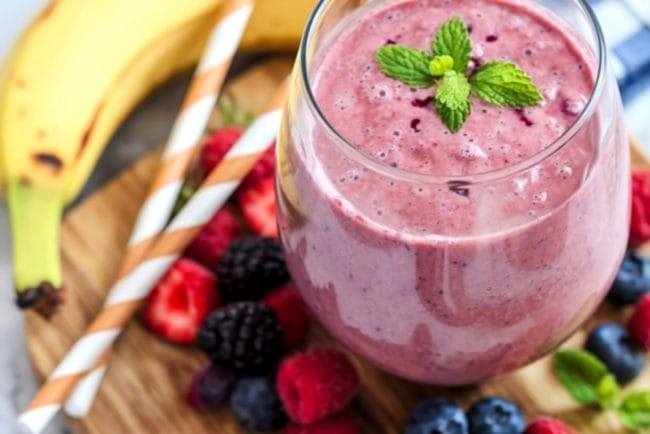
HB 947 Smoothie Ban
Image source: shutterstock.com

Your grocery trip in Georgia might feel a lot more restrictive if a new piece of legislation becomes law. House Bill 947 is moving through the General Assembly with a specific target: your favorite in-store beverages. It is not your fault that you enjoy a quick smoothie while shopping, but the state sees it differently. Lawmakers are currently debating a ban on using SNAP benefits for made-to-order items in retail spaces. This is a hidden system of control disguised as a health initiative for Georgia families. Honestly, it feels like the government is reaching into your cart to tell you what you deserve. Let us examine what this proposal really means for your daily routine.

1. The Definition of Made-to-Order Control

HB 947 specifically defines made-to-order beverages as anything prepared at the point of sale. This includes the coffee kiosks, juice bars, and smoothie counters located inside your local supermarket. The bill argues that these items fall outside the scope of essential nutritional support. Surprisingly, it doesn’t matter if the smoothie is made of pure fruit and vegetables. If a worker blends it for you, the state wants it banned from the program. You can read the full text of HB 947 here. It is a push for a more rigid definition of food.

2. The Targeting of In-Store Kiosks

The proposal takes a direct hit at the growing trend of supermarkets hosting national brands like Starbucks or Jamba Juice. Under this bill, an EBT card would be rejected at these internal concessions regardless of the item’s health value. This creates a confusing experience for shoppers who can buy a frozen smoothie in one aisle but not a fresh one at the front. The legislation is designed to separate prepared foods from grocery staples entirely. It is a bureaucratic wall that adds unnecessary stress to the checkout process. You are being forced to navigate a maze of new rules every time you shop.

3. The Public Health Objective Fallacy

Sponsors of the bill claim they want to promote healthier outcomes for Georgia families by restricting junk food. However, they include nutrient-dense smoothies in the same category as carbonated soft drinks. This broad categorization ignores the reality of many shoppers who use these kiosks for quick, healthy meals. On the other hand, the bill does nothing to lower the price of fresh produce in the aisles. It focuses on restriction rather than genuine access to nutrition. This approach validates the feeling that the program is being used to moralize poverty. You deserve better than a government that monitors your every sip.

4. The Complexity of Point-of-Sale Compliance

If passed, this bill would require a massive overhaul of administrative systems for every grocery retailer in the state. Stores would have to update their software to flag specific kiosks as ineligible for SNAP transactions. This technical burden could lead to mistakes where legitimate food items are also rejected. Retailers are already voicing concerns about the confusion this will cause at the register. You are the one who will have to deal with the awkward silence and delays when the system fails. It is a layer of friction that makes a simple errand feel like an interrogation. You can find more details on the bill’s sponsors here.

5. The Waiver Requirement Gamble

Georgia cannot implement these changes without a formal waiver from the United States Department of Agriculture. This means the bill is a long-term play to change the federal rules of the program. Lawmakers are hoping that a successful waiver will set a precedent for other states to follow. They are essentially using Georgia families as a pilot program for more restrictive national policies. It is a gamble with your food security that puts politics ahead of people. Understanding this legal path is vital for anyone who wants to advocate for their rights. You are a part of a much larger national debate.

Protecting Your Rights at the Grocery Counter

It is important to remember that this is still a proposal and has not yet become law. You have a voice in this process and you should use it to contact your local representative today. Tell them how these restrictions affect your ability to make healthy choices for your family. If you want to stay informed, follow the bill’s status on LegiScan here. Do not let these changes catch you by surprise at the register. You are the best judge of your own nutritional needs and you should fight for that autonomy. Stay vigilant and keep your neighbors informed about the hidden systems working against your access to food.

Do you think smoothies should be banned from SNAP benefits? Leave a comment below and let your voice be heard!

What to Read Next…

The post Smoothie Ban Proposal: Why HB 947 Targets “Made-to-Order” Beverages in Grocery Stores appeared first on Budget and the Bees.

Sign up to read this article
Read news from 100’s of titles, curated specifically for you.
Already a member? Sign in here
Related Stories
Top stories on inkl right now
One subscription that gives you access to news from hundreds of sites
Already a member? Sign in here
Our Picks
Fourteen days free
Download the app
One app. One membership.
100+ trusted global sources.