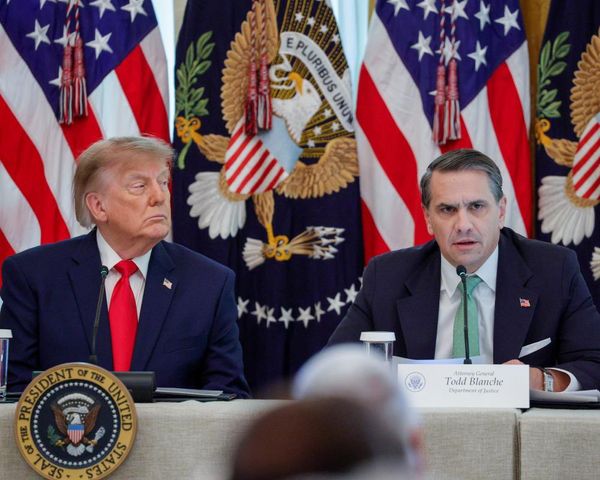
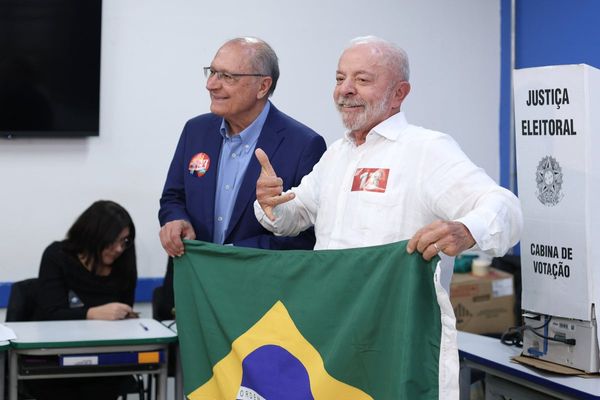
This year is the 30th UN climate summit – the conference of the parties (Cop) – is due to be hosted by Brazil. Cop30 is taking place during extremely challenging times and it feels increasingly more difficult to be optimistic that November’s summit will unite the global community around concrete actions to mitigate climate change. Much has been said of Donald Trump’s decision to drastically scale down the US delegation, but the bulk of greenhouse gas emissions come from countries that are not democratic; the correlation between places such as China, Russia or Saudi Arabia and state ownership of the fossil fuel companies that dominate global emissions is clear. For this week’s cover story and to open an online series on the world’s biggest emitting countries, environment editor Fiona Harvey interviews some of the world’s leading thinkers about how to negotiate with autocracies. There are some ready to argue that top-down governments may be better at setting climate goals than democracies characterised by election-to-election thinking. However, as Pjotr Sauer explains in his probe into attitudes to climate in Russia, “the canary in the coalmine” as one source puts it, the Kremlin seems content to let its emissions rip.