
Since the April 2025 market low, small-capitalization stocks have kept pace with, and at times even outpaced, shares in large companies. Many strategists expect the rally in small-cap stocks to continue.
After a two-year profit downturn, earnings growth at small firms is turning up, says Francis Gannon, co-chief investment officer at small-cap specialist Royce Investment Partners. Lower interest rates, deregulation, and strong activity in mergers and acquisitions and in initial public offerings (IPOs) have been a boon.
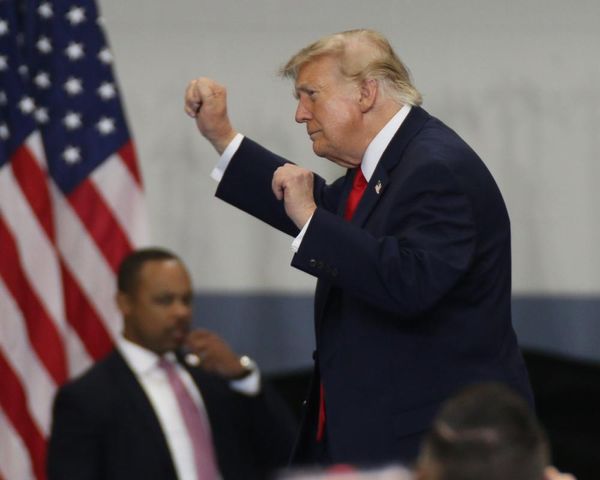
Even the One Big Beautiful Bill Act, President Donald Trump's 2025 tax bill, could help small-cap earnings this year, thanks to certain tax benefits, says Gannon. "In any broadening of overall stock market returns, small caps are going to participate and do better than many people think," he says.
But little of that optimism is evident in the one-year returns of small-company stocks. The iShares Core S&P Small-Cap ETF (IJR), our favorite small-cap exchange-traded fund and member of the Kiplinger ETF 20, lost 2.6% over the 12-month period ending in November.
Interestingly, that lagged the 4.1% gain in the Russell 2000 small-company benchmark over the same stretch.
The worst small caps have been first. What gives?
The iShares Core S&P Small-Cap ETF follows the S&P 600 Index, which includes a filter for profitable companies; the Russell index doesn't. And lower-quality fare has done best, at least since the April low, says Gannon.
Unprofitable firms in the Russell 2000, he says, soared 93% between the April 2025 low and the end of October. By contrast, profitable firms returned just 27%. That's typical behavior coming out of a low, but eventually high-quality stocks rally, too. Given the many factors supporting earnings growth, "we could have a nice run in small caps from here," he says.
We favor the iShares Core S&P Small-Cap over an ETF that tracks the Russell 2000. The iShares fund's holdings don't overlap with an S&P 500 index fund, for starters. And stocks in the S&P 600 trade at a price-to-earnings multiple of just under 16, based on estimated earnings — a discount to the Russell 2000, which trades at 21.
Note: This item first appeared in Kiplinger Personal Finance Magazine, a monthly, trustworthy source of advice and guidance. Subscribe to help you make more money and keep more of the money you make here.