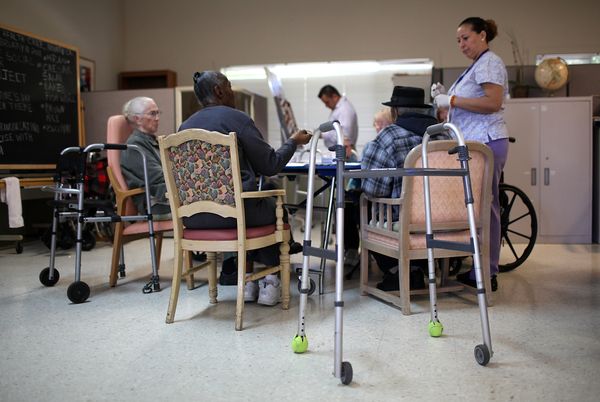
Sixty-two percent of rural voters say their community does not have enough mental health providers, the widest care gap measured in a new KFF and Associated Press survey. That gap is larger than concerns about doctors or hospitals, even as the share citing too few hospitals rose to 35% from 21% in 2017.
The findings point to a quieter strain on rural households. When local counselors and psychiatrists are scarce, people who need mental health care may face long drives or long waits.