
Get all your news in one place.
100’s of premium titles.
One app.
Start reading
Grocery Coupon Guide
Amanda Blankenship

Shrinkflation Isn’t A Hoax — Grocery Items Are Smaller, Same Price, and You’re Paying More Anyway

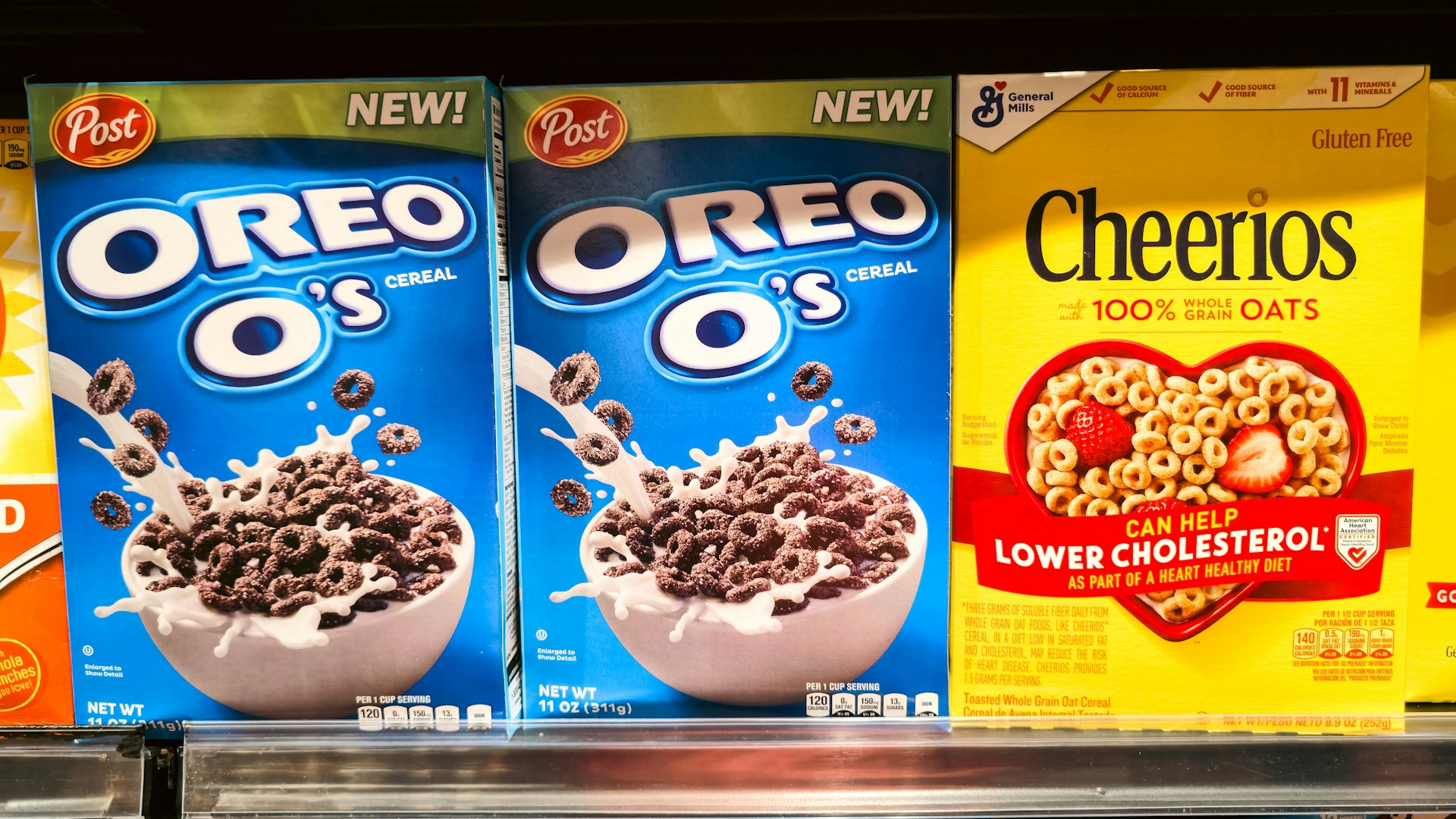
Image Source: Unsplash

You’re not imagining it! Your favorite snacks, cereals, and cleaning products are shrinking. Shrinkflation is the sneaky trick companies use to quietly reduce product sizes while charging the same (or even more). It’s one of the most frustrating trends in today’s grocery aisles, and it’s been accelerating since inflation hit record highs. Consumers are essentially paying more per ounce, bag, or roll without realizing it. The problem? Shrinkflation hides in plain sight, and it’s hitting every section of your grocery cart.

Why Companies Downsize Instead of Raise Prices

At first glance, shrinkflation feels dishonest, but from a corporate standpoint, it’s strategic. Instead of increasing prices and risking consumer backlash, brands subtly reduce portion sizes to maintain “sticker stability.” A 16-ounce bag becomes 14.5 ounces, but the shelf price stays identical, creating an illusion of consistency. Companies know most shoppers don’t notice small changes in weight or quantity during quick grocery runs. It’s a quiet way to preserve profit margins while customers unknowingly absorb the cost increase.

Common Grocery Items Affected by Shrinkflation

You can find shrinkflation almost everywhere, from snack aisles to household staples. Cereal boxes have lost inches in depth, chip bags contain more air than product, and even toilet paper rolls are thinner than ever. Ice cream cartons, once packed with a full quart, now stop short at 14 or 15 ounces. Cleaning products and detergent bottles are also shrinking, forcing families to buy more frequently. The pattern is clear: what used to last a week now barely stretches five days.

How Shrinkflation Hits Family Budgets Harder

For households already struggling with grocery bills, shrinkflation is a double hit. It doesn’t just mean smaller packages; it means higher costs per use, per meal, or per load of laundry. Parents feel it most when products that once lasted multiple school lunches now run out midweek. Because the price tag looks unchanged, it’s harder to budget accurately or identify where the money’s going. Over a month, these hidden increases can drain an extra $30–$50 from the average family’s food budget.

Sneaky Labeling Tactics That Hide Shrinkflation

Manufacturers rarely announce when they’ve reduced product sizes. They rely on subtle label redesigns to hide it. You might notice a “new look” or “eco-friendly packaging” claim, but the fine print reveals fewer ounces or sheets. Fonts listing weights often shrink or blend into the design to make changes less noticeable. Some companies even switch to different container shapes to disguise reductions. This sleight of hand keeps shrinkflation largely undetected until vigilant shoppers start comparing old and new packages side by side.

The Psychology Behind Why It Works

Shrinkflation succeeds because it plays on human psychology. Most shoppers associate price increases with unfairness, but they rarely notice package size differences without direct comparison. When faced with inflation fatigue, people also develop “price blindness,” assuming products cost roughly what they always have. Companies count on that complacency, knowing consumers are too rushed to scrutinize details. It’s a subtle manipulation that exploits trust and the natural human tendency to rely on visual consistency.

What Shoppers Can Do to Fight Back

While shrinkflation isn’t illegal, informed consumers can push back in powerful ways. First, compare unit prices (the cost per ounce or sheet) rather than the overall sticker price. It’s the most accurate reflection of value. Loyalty apps and warehouse memberships can also offset rising costs by offering bulk sizes or rebates. Social media “grocery watchdogs” are calling out shrinkflation offenders, forcing companies to answer public criticism. And perhaps most importantly, shoppers can switch to store brands, which are often slower to downsize than national names.

The Real Cost of Shrinkflation Goes Beyond Groceries

The ripple effects of shrinkflation extend beyond the grocery aisle. When customers lose trust in brands, loyalty erodes, and it takes years for companies to rebuild that credibility. Economists warn that widespread shrinkflation distorts inflation data, making it harder to track real price increases. It also impacts perception: consumers feel poorer, frustrated, and manipulated. Ultimately, shrinkflation isn’t just about smaller packaging. It’s about eroding the sense of fairness in everyday shopping.

Paying Attention Is Your Best Defense

The only real way to fight shrinkflation is awareness. Once shoppers start comparing labels and holding companies accountable, transparency becomes a competitive advantage. Pay attention to net weight, serving size, and packaging language before assuming you’re getting the same deal as last year. The small print might reveal a big difference in value. In a marketplace built on subtle deception, the most powerful tool consumers have is vigilance and the willingness to speak up when something doesn’t add up.

Have you noticed any products getting smaller lately? Share your “shrinkflation sightings” in the comments, and let’s see which brands are the biggest offenders.

What to Read Next

The post Shrinkflation Isn’t A Hoax — Grocery Items Are Smaller, Same Price, and You’re Paying More Anyway appeared first on Grocery Coupon Guide.

Sign up to read this article
Read news from 100’s of titles, curated specifically for you.
Already a member? Sign in here
Related Stories
Top stories on inkl right now
One subscription that gives you access to news from hundreds of sites
Already a member? Sign in here
Our Picks
Fourteen days free
Download the app
One app. One membership.
100+ trusted global sources.







