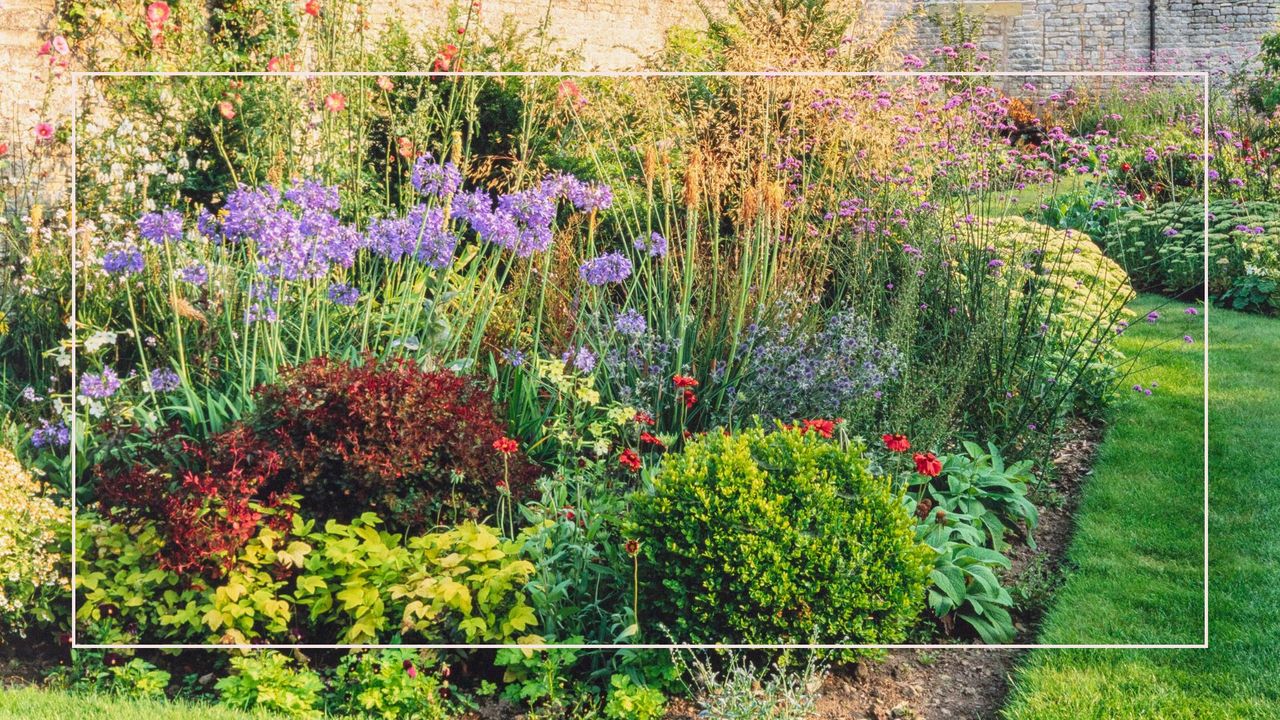
Staying hydrated during hot weather is vital for all living things, including outdoor plants. Therefore, watering your garden plants more frequently during a heatwave is essential, but how much is enough?
While we can experience the odd rain shower during the warmer months, you still need to give your precious plants a helping hand to ensure they thrive throughout persistent spells of hot weather. This is particularly important if you have some of the best patio container plants in your outdoor space.

Below, you'll find useful advice from our team of trusted gardening professionals to determine the right watering frequency for your plot when it's hot, including tips on soil types, the differences between plant types, and the best time of day to carry out the job to ensure maximum absorption.
Should outdoor plants be watered every day in hot weather?
Should you water outdoor plants more often in hot weather? It's the hot topic of the day as we start to feel the effects of the heatwave. Plants will need to be watered more regularly in hot weather, but not necessarily every day – unless they’re in a container or a wallside border that restricts their root growth.
"It all depends on factors like soil type, plant maturity, and location," advises professional gardener Jane Dobbs.
"The most vulnerable plants to dehydration are seedlings and transplants," Jane warns. So, make extra watering a priority if one of your essential May gardening jobs is establishing young plants that are most at risk. "Young plants need daily watering in hot weather to keep their roots moist, especially if the soil dries out fast due to the temperature."
"However, for established plants, watering every 2-3 days is usually enough in hot weather, 4-5 days for normal garden soil, and 6-8 days for clay soil," says Jane.
Our w&h garden writer Kayleigh Dray offers her helpful tip for assessing your water needs: "A good rule of thumb is to push your finger into the soil until it hits your knuckles: if it’s dry all or most of the way through, they need a good drink. Make sure you water deeply at the roots."
Ever conscious of the need to follow sustainable gardening ideas, we recommend using rainwater (or greywater, if it’s been very dry) where you can. With the right rainscaping ideas, you can greatly reduce your water usage, even throughout the summer months.
How often should I water plants in a heatwave?
“In a heatwave, it’s not about watering more often, it’s about watering properly," says Orpheus Alexander, w&h's resident gardener. "If water isn’t actually soaking into the soil, you’re not helping the plant at all.”
"In prolonged heat (like during a heatwave), very dry soil can start to repel water, known as hydrophobic soil. As soil and compost dry out, organic particles can develop a slightly waxy coating that makes it difficult for water to penetrate, so instead of soaking in, it runs off the surface or straight down the sides of pots
“Mulch only works if water can pass through it; otherwise, you’re effectively putting a lid on dry soil.” This can also catch people out when mulching.
"Fresh compost, especially peat-free, is often quite fine in texture. When it dries out, water can sit on the surface due to surface tension rather than soaking in, a bit like trying to wet dry flour. The result is that rain or light watering never actually reaches the soil below."
When should you water plants in hot weather?
Similar to watering grass seed, timing is everything to ensure maximum results and better efficiency, particularly in hot weather. You don't want to water outdoor plants when temperatures are already high because a lot of the water evaporates before it reaches the roots.
"If there’s been a bout of hot weather, it’s always best to water plants in the early mornings, as this will give them plenty of time to soak up all the water they need before the sun evaporates it all," Kayleigh explains.
"Otherwise, you can water in the early evening, although this can put your plant babies at risk of attack from slugs, snails, and fungal growths," she warns. "Whatever you do, don’t do it in the heat of the day: it’s a waste of water."
Jane agrees, saying: "Early morning is best for watering plants because the temperatures are cooler, which reduces evaporation and allows the water to soak into the soil."
"Late evening watering is the next best thing if morning isn't possible, but don't overwater and don't get water on leaves to prevent fungal diseases."
Tips for watering outdoor plants in hot weather
To ensure your hot-weather watering efforts are beneficial, we asked our professionals to share their insider tips for dealing with outdoor plants during hot weather...
- The fix is to water more slowly, not more often . "Apply water in stages, allowing it to soak in between each pass," Orpheus suggests. "For pots, standing them in a tray of water for 20 to 30 minutes helps rehydrate compost from the bottom up."
- Deep, less frequent watering is better than shallow, frequent watering . "Plants have a better chance of surviving drought with deep watering."
- Use mulch. "You can mulch around plants to prevent evaporation and to keep the soil moist." If you are not familiar with the process, you can discover what mulching is and how best to use it with our helpful guide.
- Reposition potted plants. "To prevent soil from drying out too quickly during the hotter parts of the day, move potted plants to the shade during these hours.
- Utilise helpful watering methods. "Add water-retention granules to soil or pots to keep moisture levels high."
- Loosen the soil: "In borders, lightly loosening the soil surface and watering before and after mulching helps ensure moisture gets through," Oprheus advises. "Creating a shallow basin around plants will also help stop water from running off."


And speaking of collecting rain, how does a downpour affect watering outdoor plants in hot weather? A lot of us will be wondering this because, as we know from this week, we still experience bursts of rain in the spring and summer months.
"Definitely no need to water after rain," advises Jane. "Heavy rain typically provides more than enough moisture for the soil, often soaking it deeper than regular watering. Additional watering can lead to waterlogging, root rot, or fungal problems. To be sure, check the soil about 1-2 cm down. If it’s still moist, skip the watering."