
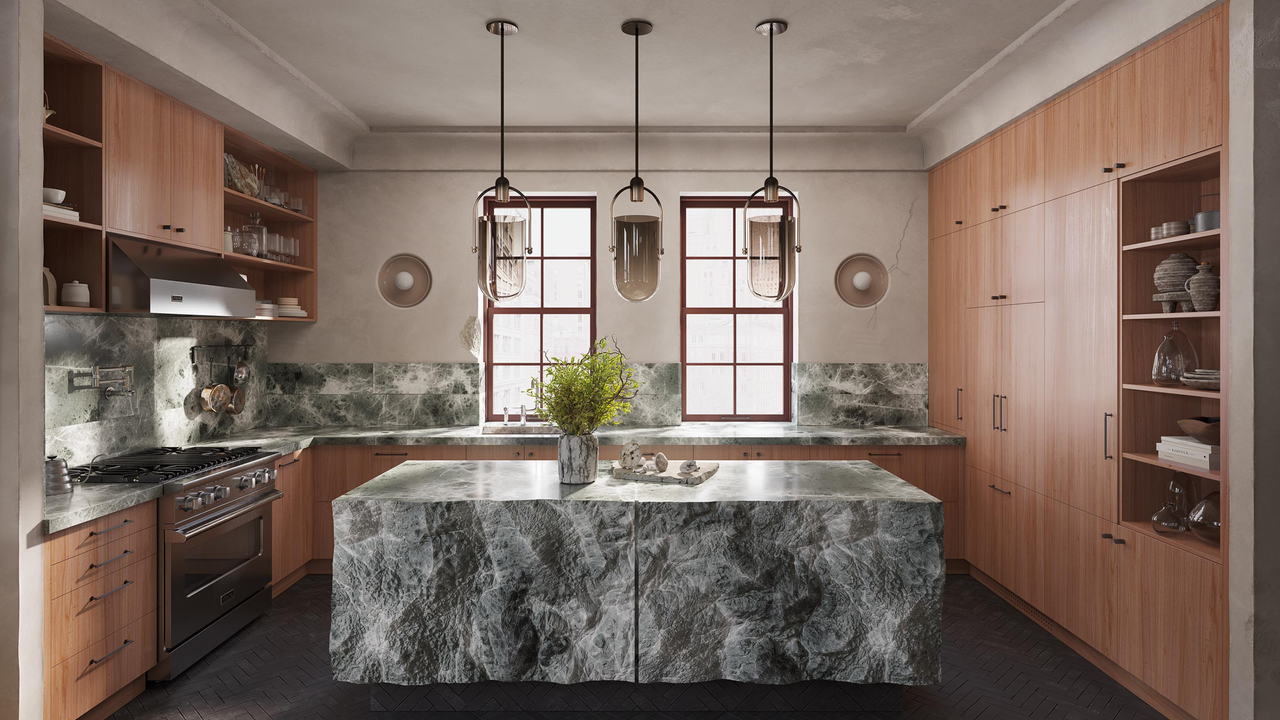
When it comes to storage, particularly in kitchens, we're always convinced we need more. The instinct is to stretch cabinetry as far as it will go — higher, wider, deeper, all because… well, just in case. But should kitchen cabinets go all the way to the ceiling? In most cases, I would say the answer is yes, but not simply to maximize storage.
Extending cabinetry up is as much a design decision as a practical one. “If the ceilings are high, then use this space and create high storage with tall wall cupboards; they may be harder to reach, but the space can be invaluable,” says Helen Parker, creative director at deVOL Kitchens. Done right, it creates a seamless, built-in look that elevates the entire space, leaving ceilings feeling higher and the overall kitchen more thought-out and complete — plus, there’s the obvious bonus of more storage space.

The key is creating a balance between genuinely useful storage, rather than opting for more just for the sake of it, as well as a sophisticated interior design layout. Experts share the factors that could affect your decision to take your cabinets all the way up to the ceiling so that you can be well-informed before committing.
1. Design Preference

From a design perspective, “Cabinets running to the ceiling often create a more intentional and complete look,” says Artem Kropovinsky, founder and principal designer of Arsight Studio. He explains how it removes the visual break at the top, allowing the kitchen to look cleaner, taller, and more integrated into the space. “In high-end interiors, this approach reads as more timeless and custom, and less like standard millwork,” he says.
Some may say that cabinets following through right up to the ceiling could make the space feel closed in, but a full-height, built-in approach supports seamless aesthetics with a refined look. As Artem suggests, the gap above the cabinets creates a visual break, making a modern kitchen arrangement look less intentional, which, depending on how it's done, may even cheapen the overall design and make it date more quickly.
Don’t forget, even if the kitchen is small, quality is everything and more in this case, so opting for a more bespoke floor-to-ceiling style in one area, for example, could result in a more expensive-looking kitchen, a less closed-in effect, as well as offering extra storage space you may feel otherwise short on.
2. Storage Needs

Without a doubt, tall cabinets provide more kitchen storage, specifically for items that aren't used very often, living at the very top. Yet, cabinetry such as tall pantry units can work particularly well for housing lots of different internal features you may require, or even to hide the breakfast station away when not in use.
“The top portions of the cabinets can be less accessible, but useful for seasonal items, or storage that is used rarely,” says Artem. This will keep the kitchen more organized in general.
3. Budget

So, what about the budget? Well, this will always be a big factor to consider, particularly if you want ceiling-height cabinets —there will usually be an increase in cost due to potential customization.
Not only would it be bespoke, but more material would need to be used, which may also lead to a potentially more complex installation process. Artem reminds us, “It can also require filler panels. Pricing is the only trade-off, but investing in additional storage can pay off over time.”
Perfect for both traditional and modern kitchens alike, these stylish antique brass cabinet pulls are ideal for harder-to-reach cabinets.
4. Ceiling Details

Don’t forget the details — architectural elements like beams or crown moldings can also impact whether you should or shouldn't (or can or can't) choose ceiling-height cabinets.
“In some cases, stopping short can allow these details to remain visible,” says Artem. “The decision should be made on a case-by-case basis depending on the architectural details and arrangement.” You can, of course, incorporate existing details into the cabinetry, but you may end up losing some internal cabinetry space to fit around certain things like beams, which means a more fiddly installation.
5. The Cons of Ceiling Height cabinets

These are some of the arguments against taking your kitchen cabinets all the way to the ceiling:
Top-heavy design: Full-height cabinetry can look top-heavy, especially in a space with a lower ceiling. If this is the case, Artem recommends resolving this issue by cleverly balancing it with lighting and materials.
Accessibility: The top portion of cabinets is usually harder to reach, so accessibility should be seriously considered, or you’ll never end up using what you store up there. Al Bruce, founder of Olive & Barr, suggests, “If you opt for the gap, this space above kitchen cabinets and the fridge can still be used for storage in small kitchens. Items that you don’t use often, like special occasion crockery and baking supplies, can easily be stored out of the way above kitchen cabinets in baskets or boxes that match the decor of your kitchen to keep everything neat and tidy, avoiding clutter.”
Cost: Budget is always a big factor, and running cabinets to the ceiling requires more material and a more complex installation, which will increase the total budget.
Domination of the interior architecture: There’s a lot to be said for allowing the kitchen to sit comfortably within the architecture, rather than dominating it. “The kitchen should feel like it belongs in the room, not like it’s trying to become part of the structure itself,” says Al.
As Isabella Pacelli, Junior sales designer at Roundhouse, explains, "Ceilings with various details such as cornicing, exposed beams, or vaulted heights are usually best suited to have floating uppers. If cabinets are reaching ceiling height with these details, it can look visually complex, and out of harmony with the space."
These delicate matte brass pull handles from Rowen & Wren would add instant elegance to your kitchen cabinets.
6. Knowing the Options for Filling the Gap

“The gap between cabinets and ceiling should be intentionally considered before planning the kitchen design. A common approach is adding the drywall extension painted to match the ceiling,” suggests Artem. Crown molding is also a great option, specifically for more traditional kitchen designs — this will help fill the gap in a more refined way and keep a considered feel throughout.
“For those with small kitchens, using lighting above kitchen cabinets can enhance both the functionality and aesthetic appeal of the space,” says Massimo Buster Minale, founder and creative director of Buster + Punch. He suggests the effective technique of up-lighting, where lights are installed above kitchen units to create a warm, soft glow.
“This not only makes the kitchen feel more inviting but also helps it appear larger. Up-lighting is particularly effective in kitchens with gaps between the ceiling and the units, as it illuminates these voids and prevents the area from looking dark and neglected.” You can always pair this with a dimmer, so that you can easily adjust both the light intensity and ambience to suit the occasion.
These LED Strip Lights on Amazon would do just the trick.

If opting for floating uppers, Isabella recommends choosing materials that are a statement and look purposeful within the design, while also saying, "In very modern spaces, opting for a color that is seamless with the walls can create the illusion that the wall cabinets are not there, and can contribute to the kitchen feeling airy and open." These decisions really depend on your specific space, taste, and the ambience you're after.
If you're leaning towards ceiling-height cabinetry, the takeaway is pretty simple: it's not just about cramming in as much storage as possible; it's about making the kitchen feel intentional. Taking cabinets all the way up creates that built-in, designed look that instantly elevates the space, making it all feel more resolved.
That said, there's never a one-size-fits-all answer. Ceiling height, architectural details, budget, and how you actually use your kitchen should all come into play. In some cases, leaving a gap can highlight character and keep things feeling lighter. In others, running cabinets right up gives that clean, uninterrupted seamlessness that works so well. You could even play around with both, designing the kitchen with floating cabinets AND ceiling-height cabinets.
It's all about designing the space with purpose, and whether you opt for full-height or not, the best kitchens are the ones where those details have been thought through early on, and not a last-minute decision that could end up being a mistake.
For the latest in cabinetry style, these are the kitchen cabinet trends that the designers are choosing for 2026.
For more design ideas for your kitchen and beyond, sign up for the Livingetc newsletter.







