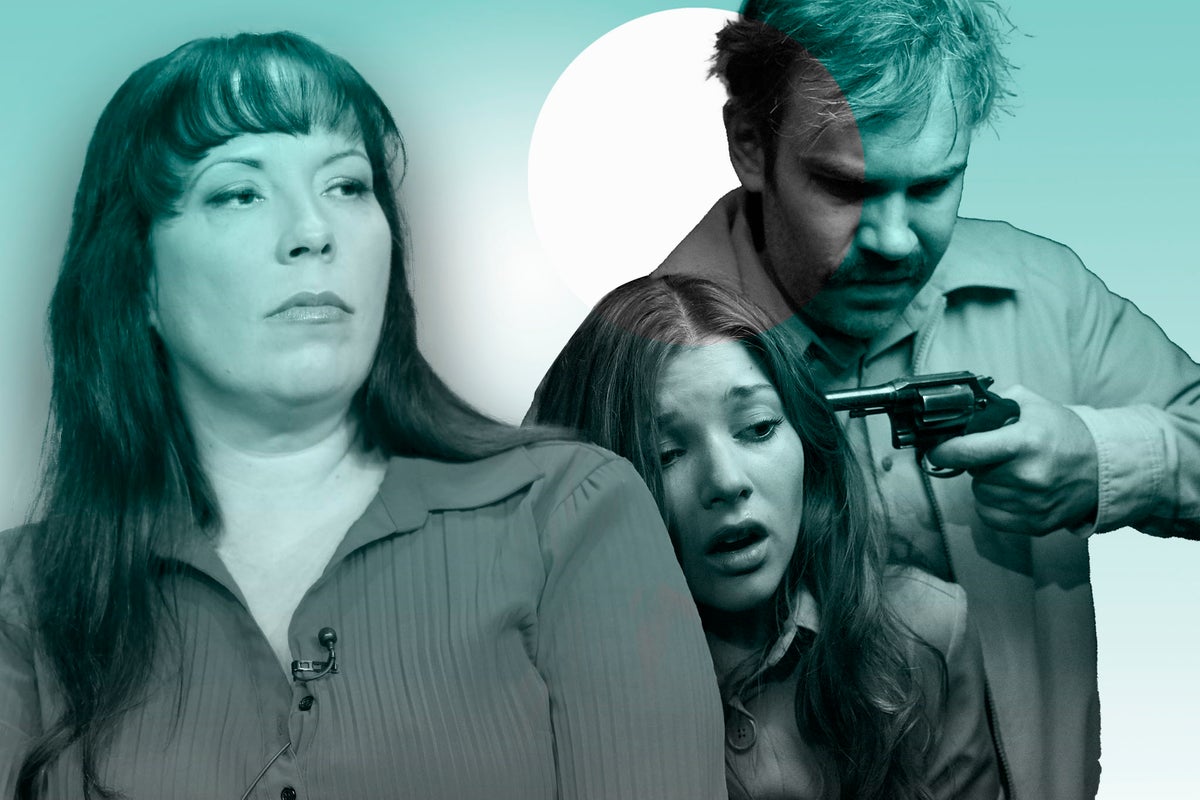
One night in November 1984, 17-year-old Lisa McVey Noland was riding her bike home from her job at a donut shop in Tampa, Florida. It was around two in the morning. She had been asked to work a double shift. The donut shop was a haven for Noland, a respite from a childhood she describes as marked by abuse, poverty, and periods of homelessness. Her boss, Gary, was protective of her. “I think he knew what was going on at home,” Noland recounts 39 years later in a phone interview with The Independent. “I could do no wrong at the donut shop. He was like a father figure to me.”
On her ride home, Noland took the same route she took every night. It was a “very dark” stretch of road, with tall oak trees growing from each side of the street toward one another, “like a tunnel”. In the darkness, something caught her eye: a van-like vehicle stationed in the middle of a parking lot.