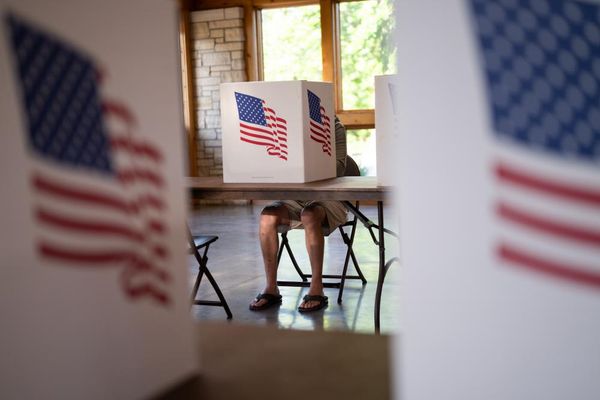
The outcome of Serbia’s parliamentary elections on December 17 will have profound implications for peace in Europe. Though somewhat obscured by the Russian invasion of Ukraine, and more recently the crisis in Gaza, tensions in the Balkans have risen sharply in recent months. Should Serbs reelect the main party of government, the likelihood of regional conflict will increase.
The Serbian Progressive Party (SPP) has been in government since 2012. Formed in 2008, the SPP was initially seen as a pro-EU-integration party that would lead Serbia towards the west.
The SPP, however, became increasingly authoritarian and Serbia is today widely regarded as an example of state capture. This is where a small number of influential actors in the public and private sectors have colluded to change rules, sponsor legislation and co-opt institutions to further their own narrow interests at the expense of the broader public interest.