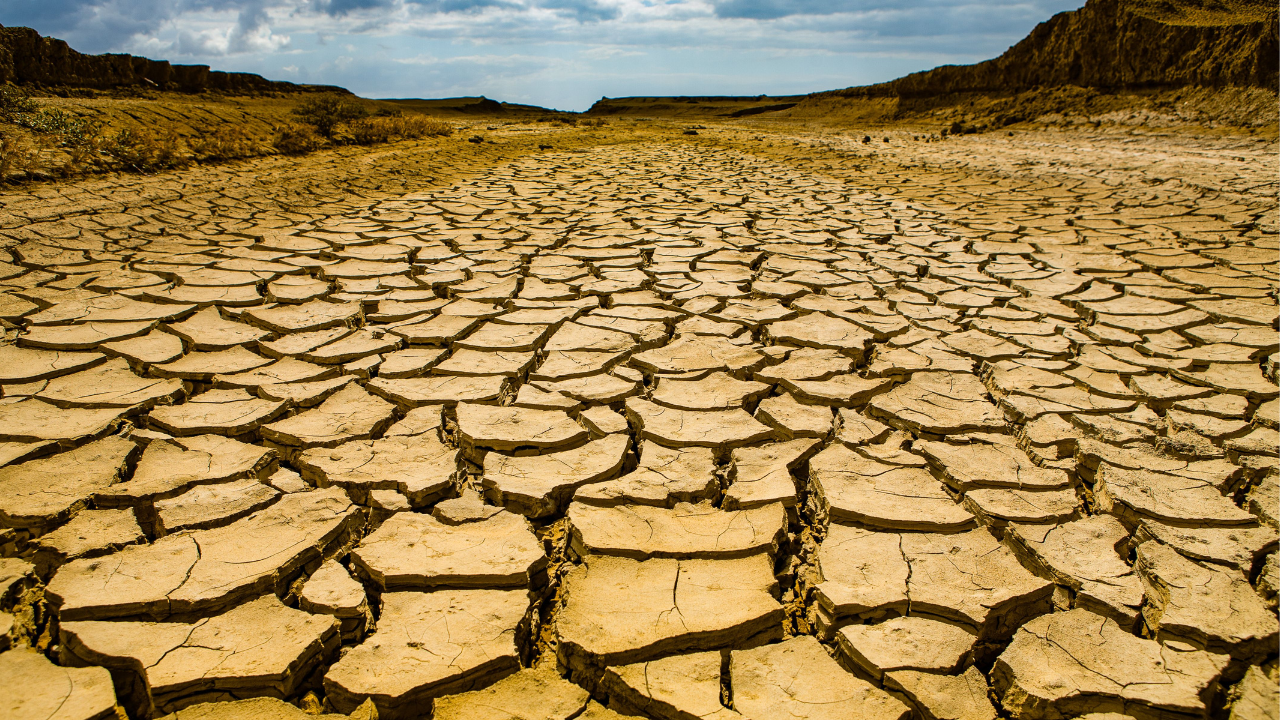
Climate change doesn't just alter the weather. Sometimes it could also change families, where they live, who is left behind, and whether people separated by continents ever really get back together. A new Princeton University study suggests that worsening drought can push migrants to stop planning a return home and instead bring their loved ones over.
Get breaking news anytime, anywhere. Download the TOI app now!
According to the 2025 study ‘Climate Change and Human Mobility: Considering Context, Mechanisms, and Selectivity ,’ in many parts of the world, climate stressors such as rising temperatures, extreme weather events, and sea level rise are associated with human migration from and within countries. The new Princeton study clarifies that picture quite a bit, zeroing in on what happens not just when people move, but when they choose to move their whole families, permanently.
A new study by sociologist Yasemin Savas, published in Nature Communications in June 2026, utilizes detailed individual immigration records and high-resolution weather data. The Migrations between Africa and Europe (MAFE) project followed Senegalese migrants living in France, Spain, and Italy using data from 108 origin communities in Senegal from 1983 to 2009.
From sending money home to "come live here"
Migration researchers have long observed a common pattern: a person goes abroad, sends remittances home, and the family uses that income to cushion themselves against bad harvests or economic shocks. It works like a household insurance policy.
But this study says that the system begins to break down when droughts become severe and frequent enough. You can’t feed a family through successive years of failed crops with remittances. At some point, it’s more rational and sustainable to bring everyone to the destination.

This study finds that Senegalese migrants from home communities that experienced severe drought were 2.5 percentage points more likely to reunite with their spouses, 1.3 percentage points more likely to reunite with their nuclear family, and 1.5 percentage points more likely to bring core family members to Europe than those who experienced normal weather conditions. Those numbers may seem small, but according to this study, those are relative increases of 58%, 50,% and 50% respectively over baseline normal-weather years, a significant change in family decision-making.
Not all families can reunify
The drought-reunion link might not the same for everyone, and that’s a big part of the finding. The study found that migrants with valid residency permits were 3.8 percentage points more likely to reunite with nuclear family members after a severe drought and 3.5 percentage points more likely to reunite with core kin. Those without legal status showed no statistically significant change.
Social connections matter too. According to this study, migrants with extended relatives already in Europe were 3.4 percentage points more likely to reunite with their nuclear family and 4.8 percentage points more likely to reunite with their core kin after severe drought. The effect goes away if you take the networks away. And the households in more agriculturally dependent communities responded more strongly to drought shocks as they had most to lose when rains failed.
In other words, climate stress accelerates family reunification, but only for those who already have a toehold, be it legal status, community ties, or economic resources. Everyone else could be left behind.
Women bear the heaviest burden
The study found that the only group to see significant changes in their reunification patterns in response to drought were married migrant women already living in Europe, who were more likely to bring over their spouses and children after a severe drought. Such a shift was not seen among married migrant men.
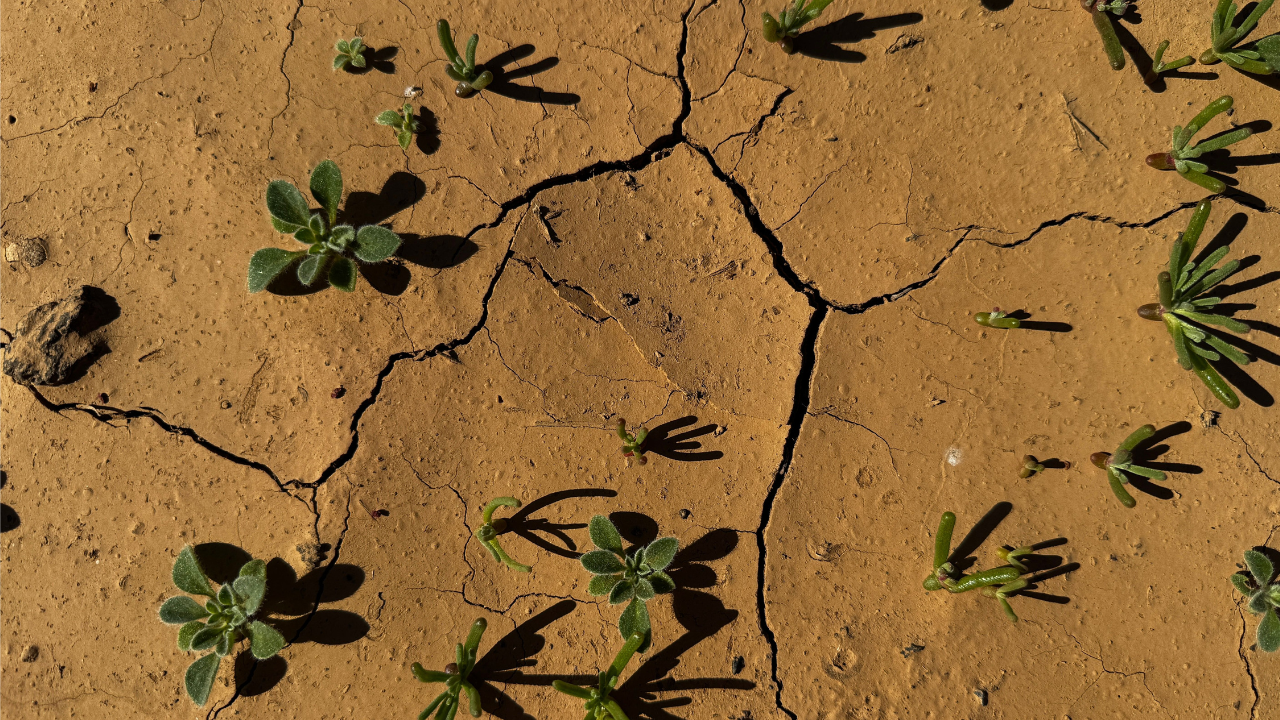
But this gives rise to a painful asymmetry. In Senegal, it is common for married women to remain at home and care for their in-laws while their husbands migrate abroad. In a drought, those norms don’t loosen; they tighten. Women who stay at the origin risk becoming what the researchers call “trapped populations:” people whose social roles and lack of resources constrain their mobility even as conditions at home worsen.
Why this matters in the US
The World Bank’s Groundswell report estimates that without aggressive climate action, up to 216 million people in six world regions could be forced to move within their own countries by 2050, including as many as 86 million internal climate migrants in Sub-Saharan Africa alone. The Savas study introduces a transnational dimension: it’s not simply a matter of where folks go within borders, but whether families overseas decide to settle permanently in an irreversible way.
The stakes are real for the US, a country profoundly shaped by immigrant families making these very choices. Droughts and other climate shocks worldwide could change patterns of family reunification and permanent settlement. Cities and policy makers need to plan not just for more migration, but a different kind: families consolidating for the long term, needing housing, schools, and services. That planning needs to begin now, before the rains stop falling.