Few households were banking on a tariff rebate check from the White House, but it’s looking even less likely now following last week’s Supreme Court decision. The court ruled President Trump could not use the International Emergency Economic Powers Act (IEEPA) to levy duties on trading partners. Indeed, with economists suggesting some $175 billion is now locked up in litigation for refunds, the Treasury secretary admitted the funds are unlikely to ever see the light of day for consumers.
The Supreme Court’s decision on Friday ruled the Oval Office’s use of the IEEPA to introduce its sweeping global tariffs was unlawful, prompting a weekend of updates from the Oval Office as it scrambled to find new legal footing to continue collecting its import duties. IEEPA tariffs were initially imposed on China in February 2025, and a month later were imposed on Canada and Mexico. April’s “Liberation Day” tariffs also came under the IEEPA authority.
And while the White House has a number of options for continuing to generate its tariff revenue, the funds initially generated under the IEEPA tariffs are now in dispute. Optimists have suggested the refunds could act as an economic stimulus for the economy, as U.S. importers would be the entities receiving the cash influx.
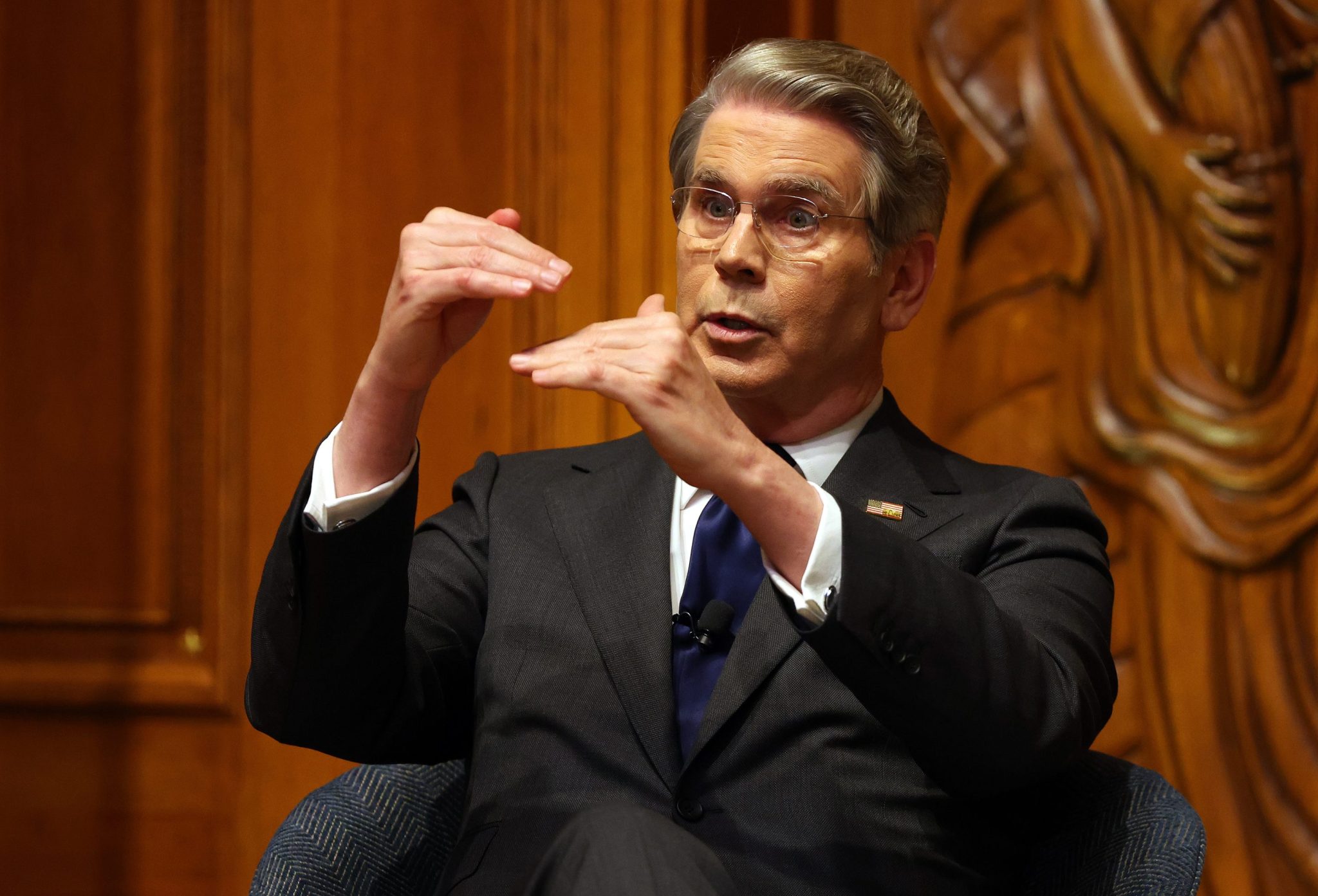
Indeed, consumers might even hope for lower prices if corporations pass on the influx of cash. But Treasury Secretary Scott Bessent has already suggested consumers will be waiting a while—if not forever—for the cash to trickle its way back into their pockets.