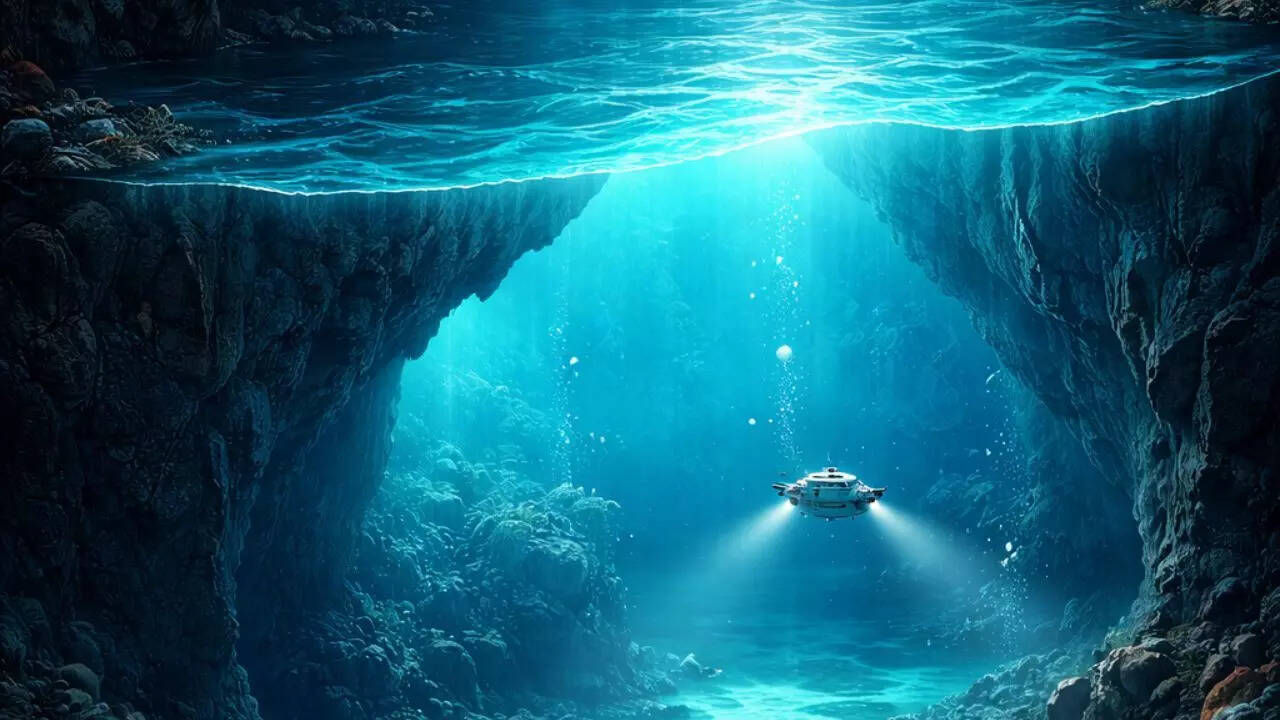
For decades, the idea sounded almost mythical. Fresh water is buried under the Atlantic seabed, sitting quietly off the eastern coast of the United States. Old geological surveys hinted at something unusual, but the data were patchy and easy to ignore. Then, in 2025, scientists returned to those forgotten coordinates, and what they uncovered appears far from a minor anomaly. Researchers confirmed a vast underwater aquifer formed around 20,000 years ago during the last ice age. Some estimates suggest the freshwater reservoir could supply a city the size of New York for centuries. The discovery feels both hopeful and complicated. A massive water source, untouched by industrial pollution, lies offshore, potentially transforming strategies for water management and long-term resource planning along the eastern seaboard.
Yet, surrounded by legal uncertainty, engineering challenges, and environmental questions, no one seems fully prepared to answer how extraction, ownership, and preservation might be managed safely.