Get all your news in one place.
100's of premium titles.
One app.
Start reading
The Economic Times
The Economic Times
Team Global

Scientists tested reflective pavement through an Australian summer, and the road surface stayed cooler, but midday radiant heat increased above it

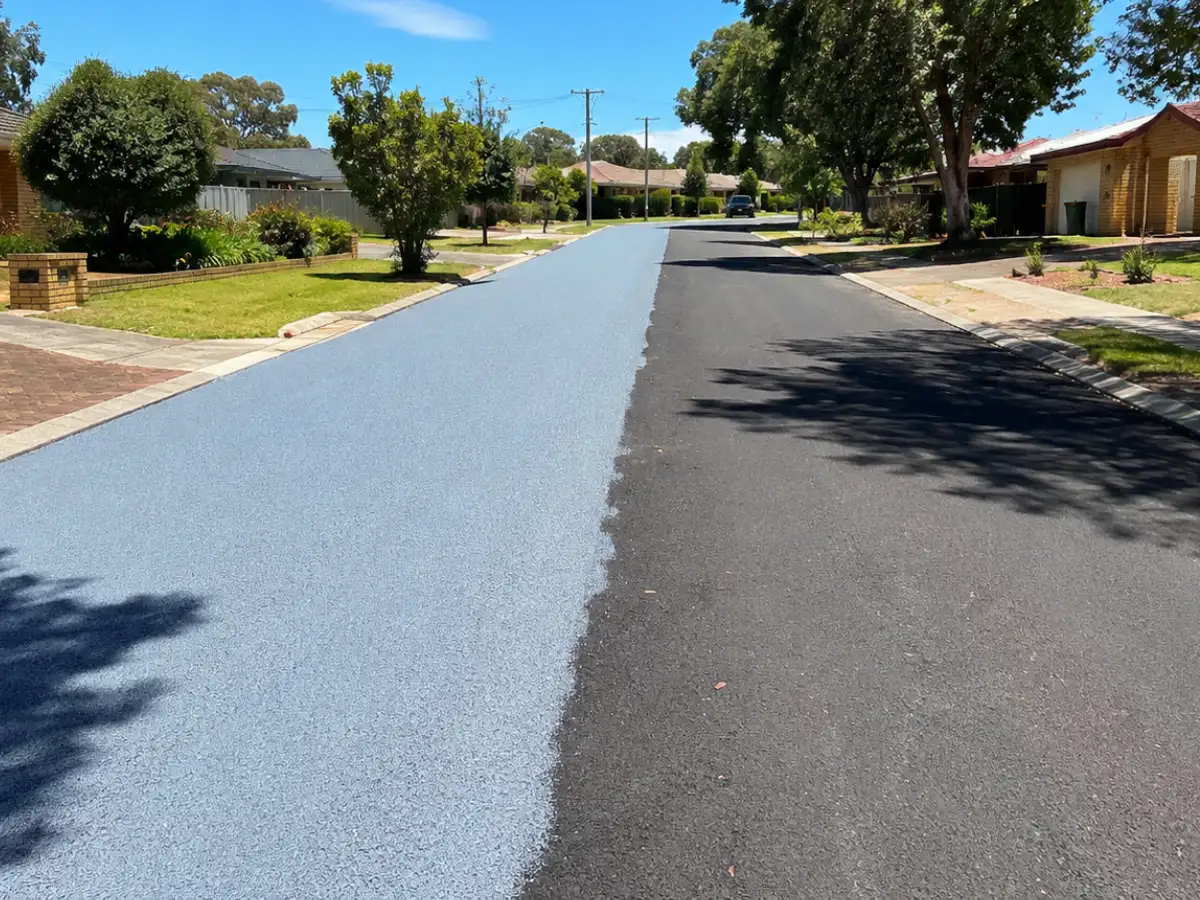
Painting roads a lighter color seems like an easy fix for hot cities, but a yearlong trial in western Sydney shows there is a catch to the fix. According to the Cool Roads Trial, a 2021 study by Western Sydney University researchers Sebastian Pfautsch and Agnieszka Wujeska-Klause, reflective road coatings cooled down the road surface itself, but made the air immediately above the road feel hotter to people standing nearby during daytime hours. The team tracked this trade-off from February 2020 to March 2021, spanning an Australian summer.

A simple coat of paint, a big temperature swing

The trial report states that the project covered almost 14,700 square meters of roads and carparks across Blacktown, Campbelltown and Parramatta. Councils applied CoolSeal, a light gray water-based coating, over the usual dark asphalt, designed to reflect sunlight rather than absorb it as heat. The results supported that theory. On sunny days, coated roads were 5.9°C cooler at the surface than untreated asphalt, the report says. On the hottest days, the difference was as much as 11.5°C. Researchers have taken hundreds of images with handheld and drone-mounted infrared cameras to capture these differences across the trial sites.

Cooler road, hotter person standing on it

Just because the road surface is cooler doesn't mean it's a cooler experience for people walking or standing on it. Researchers used a black globe thermometer, a device to estimate how hot a person feels in a location based on the combined effects of direct heat, reflected heat, and sunlight, to measure this. The device recorded that the radiant heat load on a person standing near the reflective coating was about 2.7°C higher than near ordinary asphalt during sunny midday hours. When sunlight is reflected from the surface and not absorbed, the energy is not wasted, but it bounces back up and hits whatever is around, including the human body.

Sign up to read this article
Read news from 100's of titles, curated specifically for you.
Already a member? Sign in here
Related Stories
Top stories on inkl right now
One subscription that gives you access to news from hundreds of sites
Already a member? Sign in here
Our Picks
Fourteen days free
Download the app
One app. One membership.
100+ trusted global sources.