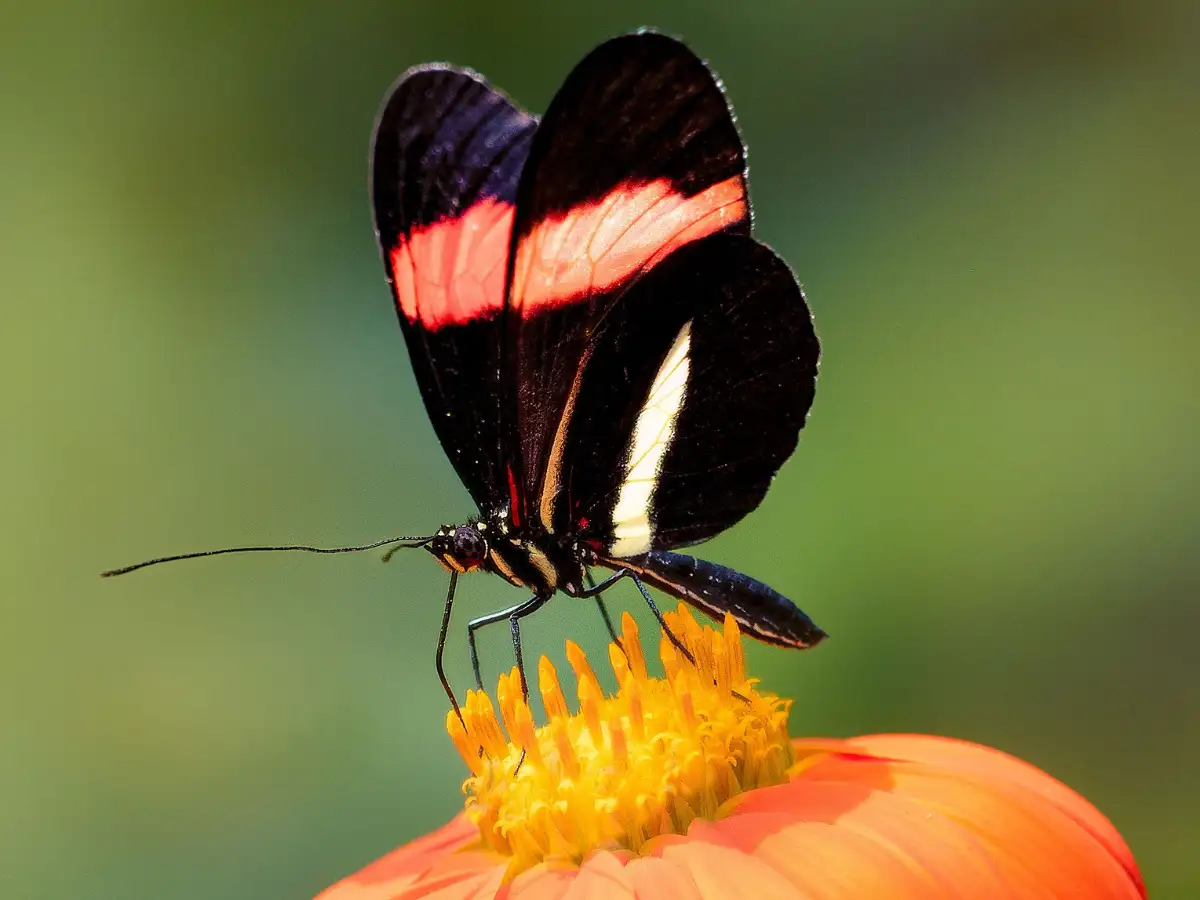
If you think your twenties flew by fast, imagine living an entire life in two weeks. That’s the reality for most butterflies. But one group of tropical butterflies appears to have almost cracked the code for avoiding that fate, and researchers think their secret could someday shed light on how humans age, too.
A new study published in Nature Communications, led by researchers at the University of Bristol, shows that a group of tropical butterflies called Heliconius has evolved a way to delay aging itself, not just survive a little longer. These butterflies are found throughout the rainforests of South and Central America and are now thought to be among the longest-lived species ever recorded. The research team says they could become a brand new model for studying longevity in general.
A 25-fold gap between close cousins
Most butterflies have a life span of only a few weeks before they die. Heliconius butterflies don't play by those rules. According to the study, some Heliconius species live on average three times longer than their closest relatives, with a few individuals surviving for nearly a full year.
The team’s most extreme example was Heliconius hewitsoni, which lived up to 348 days, compared with a close relative, Dione juno, which lived only 14 days. That’s a 25-fold difference in maximum life span between two butterflies that are evolutionary cousins. According to the researchers, who worked alongside scientists at the Smithsonian Tropical Research Institute in Panama, the numbers were derived by combining data from butterfly houses, wild tracking studies, and controlled lab populations across the wider Heliconiini tribe. In general, the study found that Heliconius butterflies had longer median and maximum lifespans and a lower baseline risk of dying at any age than their non-pollen-feeding relatives.