Every summer, Saratoga Race Course attracts attention from horse racing fans across the United States thanks to its deep fields, historic atmosphere, and competitive stakes schedule.
Among the sprint events for older fillies and mares, the Honorable Miss Stakes, run on July 26, stands out as it often features proven runners returning from major spring campaigns alongside emerging contenders ready for graded company.
Looking beyond recent finishing positions often provides a clearer understanding of how this race could unfold. Pace dynamics, trainer patterns, distance preferences, and Saratoga experience frequently shape expectations well before horses enter the starting gate.
Understanding these elements creates a more complete picture of the race while making the Saratoga summer meet even more engaging for followers of Thoroughbred racing.
Why the Honorable Miss Matters
The Honorable Miss Stakes has become an important midsummer sprint for older fillies and mares. Contested over six furlongs, it regularly attracts accomplished runners with graded-stakes experience while also serving as a valuable benchmark before larger late-summer and fall sprint races.
Because Saratoga consistently draws elite stables from across North America, the field often combines proven Grade performers with horses showing rapid improvement. That blend creates interesting race scenarios where established class meets current form, rather than relying on reputation alone.
The broader Saratoga schedule also contributes to the race's importance. The 2026 meet again features one of the strongest collections of stakes races in North America, giving trainers multiple opportunities to campaign top horses throughout the summer.
As a result, placement decisions become increasingly strategic as connections identify races that best fit each horse's development and preferred conditions. Following those decisions during the run-up to the races provides useful context before entries are finalized for the Honorable Miss.
Evaluating the Field
Before reviewing Honorable Miss picks, experienced racing followers typically examine much more than the morning line. Sprint races at Saratoga frequently develop quickly, making pre-race evaluation especially valuable.
Several factors deserve careful attention:
- Recent speed figures across similar distances,
- Previous performances at Saratoga,
- Running style compared with the projected pace,
- Trainer success during the current meet,
- Jockey familiarity with front running or closing sprinters.
Recent races also deserve additional context. A horse finishing third behind an exceptionally strong Grade field may enter with stronger credentials than another coming off an easier victory against lesser competition.
Workout reports published before race day can also reveal whether a horse has maintained sharp condition between starts. Consistent, purposeful morning drills often suggest that connections have targeted this race well in advance rather than entering simply because it fits the calendar.
Combining these observations usually creates a more balanced assessment than relying on finishing positions alone.
Reading Pace Signals Before Post Time
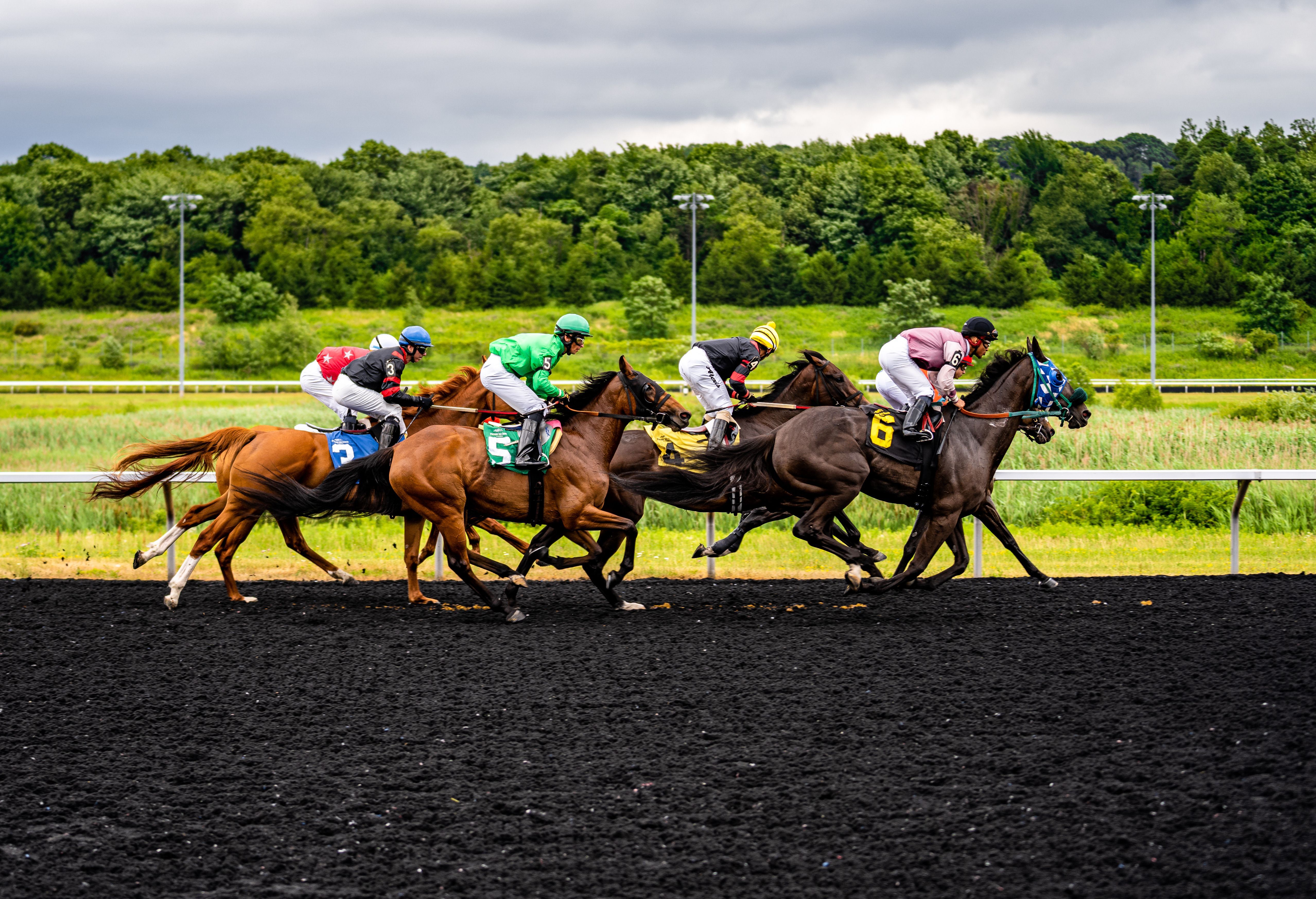
Sprint races rarely unfold the same way twice. Early positioning, gate speed, and pressure among front runners frequently determine how the final furlong develops.
When several naturally quick horses enter the field, the opening fractions may become significantly faster than average. That scenario can benefit runners capable of settling behind the leaders before making a sustained move approaching the stretch.
Other editions feature only one horse with a clear speed advantage. In those situations, securing an uncontested lead may allow that runner to establish a comfortable rhythm from the outset, changing the complexion of the race considerably.
Important pace indicators include:
- Number of confirmed front runners,
- Horses stretching back from longer distances,
- Recent fractional times,
- Changes in jockey assignments,
- Post position relative to other speed horses.
Reviewing pace scenarios alongside past performances often explains why seemingly similar horses produce very different results under changing race conditions. Understanding those interactions adds valuable perspective long before the field reaches the starting gate.
Saratoga Trends Worth Following
The Saratoga meet develops its own rhythm as the weeks progress. While every race is unique, certain patterns begin to emerge through repeated observation. Some trainers consistently peak in the middle of the meet, while others gradually build toward larger late-summer targets. Following these trends helps place each Honorable Miss contender within the broader context of the season.
Track conditions also deserve close attention. Summer weather in upstate New York can produce fast tracks one day and surfaces with more moisture the next. Although elite sprinters often adapt well, some horses have established records that clearly indicate a preference for one type of footing over another. Reviewing previous performances under similar conditions can provide useful context before race day.
Trainer and jockey partnerships are equally important. Certain combinations produce remarkably consistent results during Saratoga each year because of familiarity with each other's style and decision-making. Watching how those partnerships perform throughout the meet often provides valuable insight into horses entering graded sprint races later in the schedule.
Building a Complete Race Picture
Successful race analysis rarely depends on one statistic. Instead, it comes from combining several pieces of information into a complete evaluation. Every horse brings a different profile based on recent competition, running style, physical condition, and suitability for the Saratoga surface.
The most informative approach includes reviewing:
- Recent class level and quality of competition,
- Speed figures over six furlongs,
- Trainer and jockey performance during the current Saratoga meet,
- Running style compared with the projected pace,
- Previous success over similar track conditions.
Public workouts released before race day may also indicate whether a horse is progressing as expected following its previous start. A series of steady, well-spaced breezes often reflects careful preparation rather than an accelerated schedule.
When these factors are considered together, the Honorable Miss Stakes becomes much easier to understand, informed by more than an evaluation of basic information on past performances. Each edition presents a different combination of pace, class, experience, and current form, making thoughtful preparation one of the most rewarding aspects of following Saratoga's summer racing calendar.
Following Saratoga Throughout the Summer
The Honorable Miss Stakes gives racing fans a focused look at Saratoga’s sprint division during one of the sport’s most respected summer meets. By reviewing pace, recent form, trainer patterns, jockey choices, workouts, and surface preferences, followers can understand the race more clearly.
These details help explain how contenders fit the six-furlong distance and the Saratoga setting. As the 2026 meet continues, this race offers valuable context for later stakes and the evolving shape of the female sprint division.