Get all your news in one place.
100's of premium titles.
One app.
Start reading
The Economic Times
The Economic Times

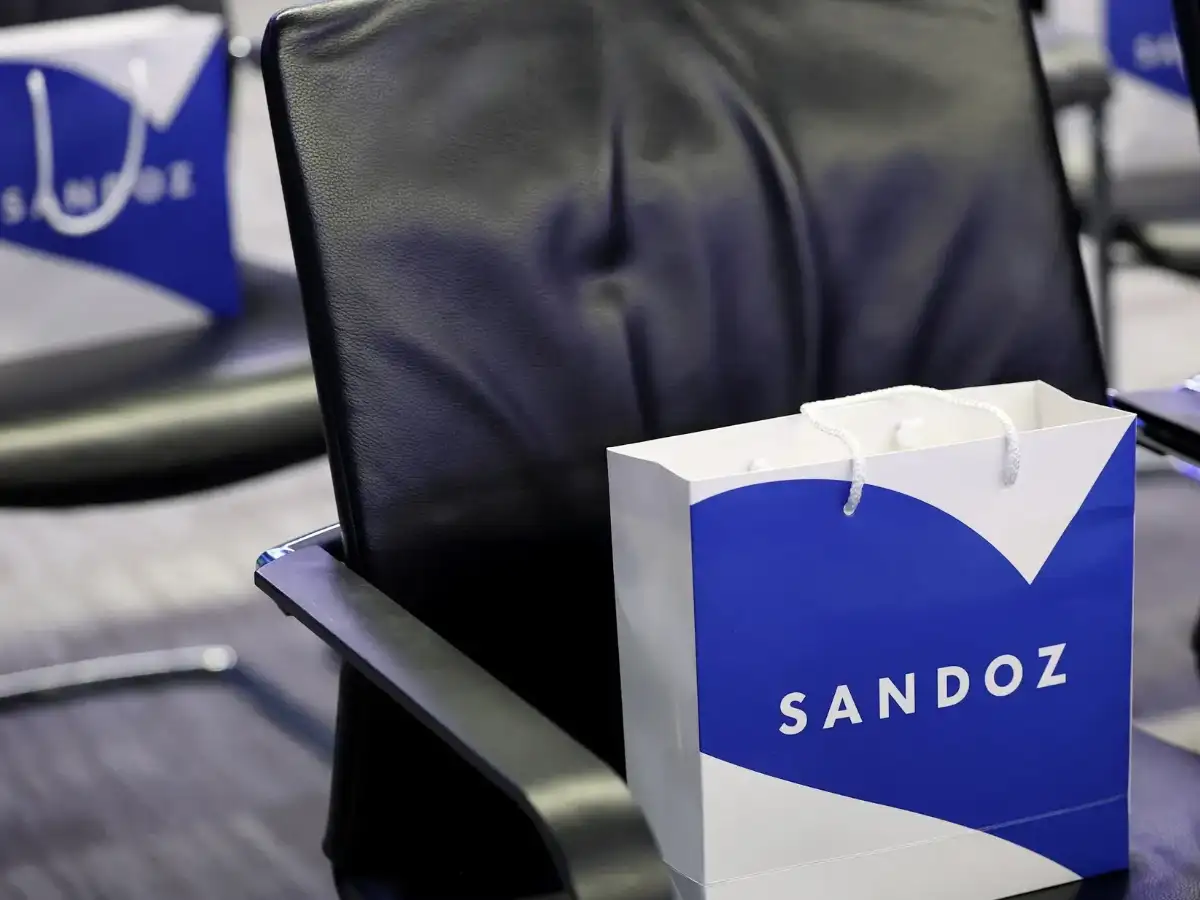
Sandoz bets big on biosimilars, aims to double group sales by 2035

Swiss drugmaker Sandoz aims to more than double its annual net sales by 2035, with a majority coming from biosimilar medicines, the company said at its capital markets day ‌on Tuesday.

Biosimilars are ⁠biological drugs ⁠based on existing medicines for which patents have expired. Like generics, they are usually sold at much cheaper prices than patented drugs, as they do not have to ​factor in significant research and development costs.

Sandoz will increase its biosimilars portfolio to 100 drugs by 2040 from 13 currently, and said it ​targets mid-to-high single-digit percentage growth in total annual net sales at constant currencies from 2025 to 2030.

Its shares were trading down 1.7% at 1510 GMT after gaining as much as 5% in morning trading. The stock has gained around 16% since the start of ​the year.

Sandoz backed its goal of mid-single digit sales growth by 2028.

'GOLDEN DECADE'

Although most ⁠of its ‌sales are currently still generics, the firm has been touting what it calls its "golden decade" for biosimilars, as ​companies making branded ​medicines face patent expiries.

Unlike cheap generic versions of simple-to-manufacture pills, medicines made from living cells cannot be ⁠exactly copied, so are referred to as biosimilars.

CEO Richard Saynor said earlier this year ​that in the next 10 years, $650 billion worth of branded products of drugmakers globally are ​due to lose patent exclusivity.

Sandoz said its net sales targets between 2025 and 2035 exclude any contribution from generic versions of popular GLP-1 drugs for diabetes and obesity.

The company received approval for its generic semaglutide in Brazil in July, and is eyeing a Canada launch this year for patients with diabetes.

In an interview, Chief Financial Officer Remco Steenbergen declined to put a value on the potential upside from generic GLP-1 medicines, saying forecasts remain highly uncertain, but said the opportunity would be measured in "billions" of dollars.

He said the ‌market could expand to between two and seven times its current size once lower-cost copies become available, and Sandoz will aim to capture "as much share as possible".

RBC analysts said that though the drugmaker's mid-term targets ​look light, the ​2035 targets are "more ambitious and show an ⁠expected acceleration through the early 2030s, a rich period for new biosimilar launches."

Sandoz opened a biosimilar development centre in Ljubljana in June after committing more than $1.1 billion in investments in Slovenia. On Tuesday, it said it would invest an additional $300 million in Ljubljana ​for a new biosimilar manufacturing facility.

'PART OF THE SOLUTION'

U.S. President Donald Trump in July threatened the generic medicines industry with steep tariffs unless drugmakers manufacture products in the country.

Sandoz "continues to have a very good dialogue" with the Trump administration, Saynor said.

"The (U.S.) administration sees companies like Sandoz as part of the solution, not part of the problem," Saynor told Reuters.

"We would absolutely love to invest in the U.S.," he said, adding that broader reforms were needed to encourage domestic production of generics and biosimilars.

Sign up to read this article
Read news from 100's of titles, curated specifically for you.
Already a member? Sign in here
Related Stories
Top stories on inkl right now
One subscription that gives you access to news from hundreds of sites
Already a member? Sign in here
Our Picks
Fourteen days free
Download the app
One app. One membership.
100+ trusted global sources.