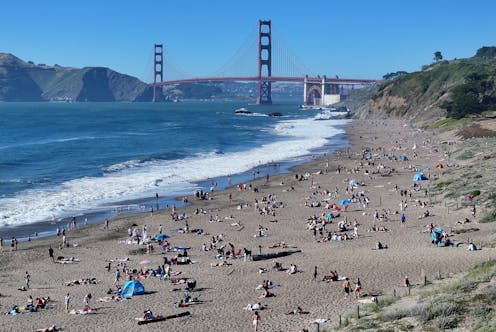
The U.S. Supreme Court will test how flexible the EPA and states can be in regulating water pollution under the Clean Water Act when it hears oral argument in City and County of San Francisco v. Environmental Protection Agency on Oct. 16, 2024. This case asks the court to decide whether federal regulators can issue permits that are effectively broad orders not to violate water quality standards, or instead may only specify the concentrations of individual pollutants that permit holders can release into water bodies.
My research focuses on water issues, including the Clean Water Act. This case involves both federal and state authority to issuing permits, and it will be interesting to see where the court focuses. While justices have been willing to limit the EPA’s authority under the act, they traditionally have allowed states broad authority to protect water quality. Thus, while some fear that this case is yet another occasion for the court to limit the EPA’s authority, California’s involvement may have exactly the opposite effect.