
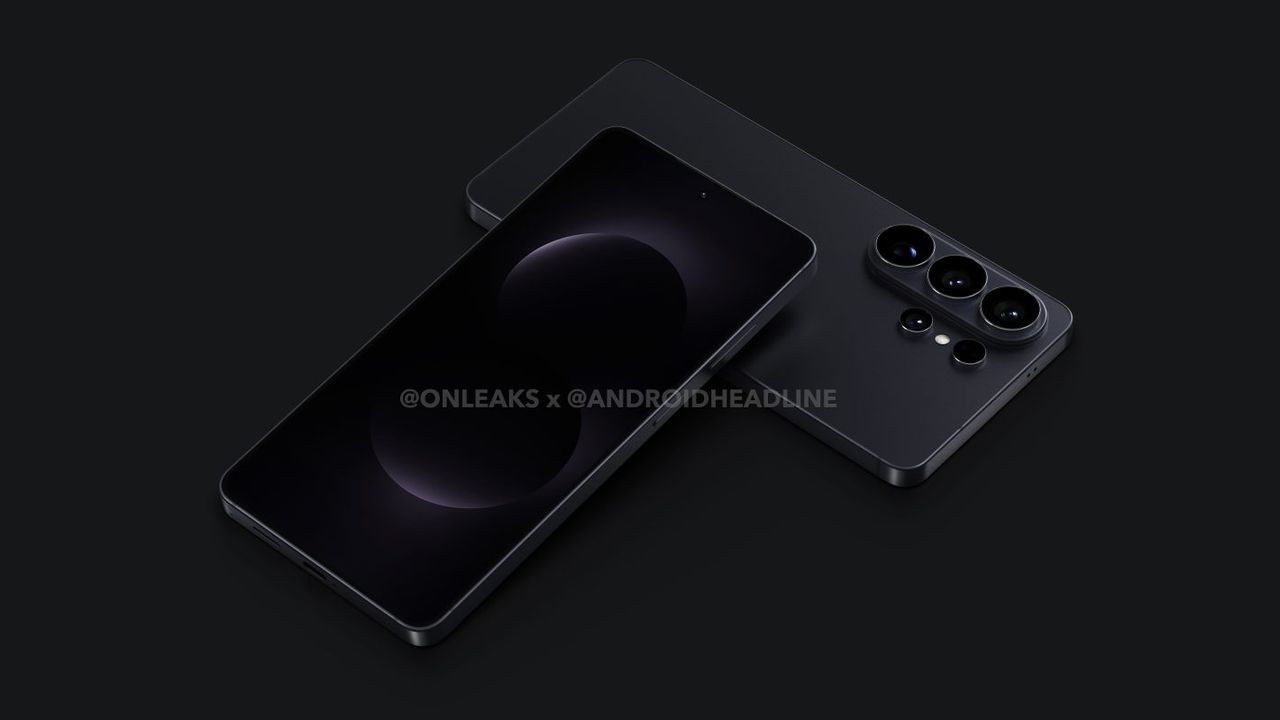
What you need to know
- After years of relying on 8-bit panels with software hacks, Samsung is tipped to use a true 10-bit screen for the Galaxy S26 Ultra.
- This means a jump from 16.7 million to over 1.07 billion colors, providing smoother gradients and more realistic visuals.
- Built on M14 OLED material, the screen will be thinner, more power-efficient, and likely the brightest we’ve seen from Samsung yet.

Samsung is known for having the best screens, but its Ultra phones have had a hidden drawback. While other Android brands like OPPO and OnePlus moved to native 10-bit panels, Samsung kept using 8-bit screens with software workarounds. That’s about to change.
The Galaxy S26 Ultra will finally have a real 10-bit display, according to tipster Ice Universe, who claimed on X that this information is “100% accurate.”

Right now, the Galaxy S25 Ultra has an 8-bit screen that can show about 16.7 million colors. To improve the look, Samsung uses Frame Rate Control (FRC), which quickly cycles colors to fake a wider range. It’s basically a fast-moving optical trick.
The leaked S26 Ultra specs point to a native 10-bit panel. This means the hardware can show over 1.07 billion colors on its own, with no software tricks. We’re also hearing that this panel will be built on the new M14 OLED material, which is thinner, more efficient, and potentially brighter than anything we've seen before.
Goodbye, color banding?
What does this mean for you? If you’ve ever looked at a photo of a sunset or a dark movie scene and noticed those ugly, blocky steps between colors (known as banding), that’s the limit of 8-bit color. With the S26 Ultra, those transitions should look flawless.
You’re also getting a 6.9-inch screen that’s reportedly flatter than ever, making it a dream for S Pen users who hate it when the nib slips off the edge.
You can expect this billion-color phone to launch with the Snapdragon 8 Elite Gen 5 in late February 2026.
Android Central's Take
I’ve been tracking Samsung’s display evolution for years, and frankly, seeing them finally ditch the 8-bit software hacks feels like a long-overdue victory. For me, this is more than just a line item on a spec sheet; it’s the end of having to look at a high-res photo or an HDR movie and see those distracting color bands in the shadows. I think people will notice the extra depth and realism, especially if they use their phone as a main camera or for watching movies.