
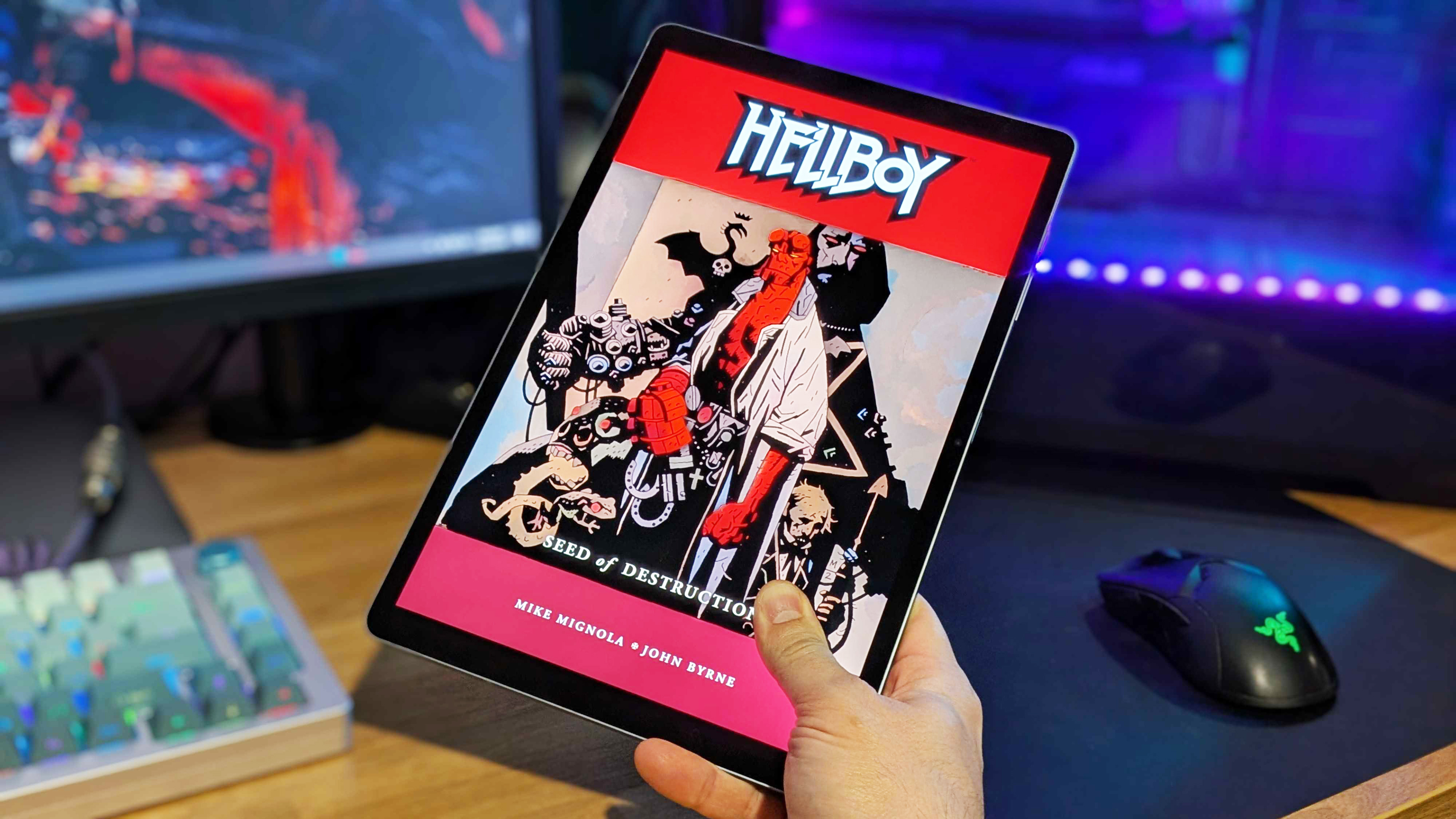
Tablets are weird, aren't they? I'm not talking about products like the Microsoft Surface Pro 10, which has a tablet form but is actually a 2-in-1 laptop that runs Windows 11 — I'm talking about traditional slate tablets, which felt futuristic and cool with the arrival of the original iPad in 2010, but now sit in an awkward place between your ultra-powerful smartphone and a proper laptop.
Many tablets today still function like an oversized smartphone, giving users a larger screen to run creativity and productivity-focused apps, along with stylus support on selected devices. And while some of the best tablets can offer laptop-like functionality with the right peripherals and a few workarounds, the experience is not quite enough to replace Windows or macOS entirely.














