
Get all your news in one place.
100’s of premium titles.
One app.
Start reading
Tom’s Guide
Tom’s Guide
Technology
Tom Pritchard

Samsung Galaxy S26 still has the same battery tech as older phones — but silicon-carbon is still in the works

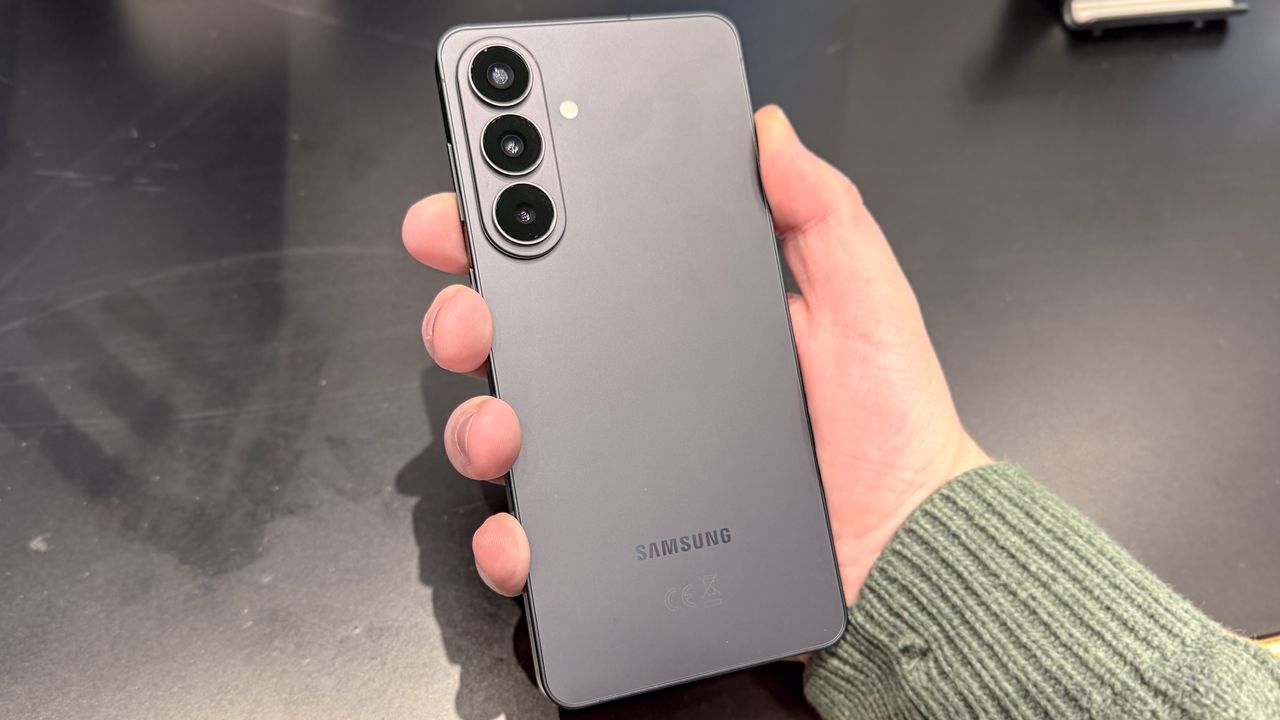
Samsung Galaxy S26 and S26 Plus.

Despite all the upgrades Samsung adds to its phones each year, the batteries always seem to end up being neglected. The Galaxy S26 series seems to be no exception, with the only meaningful change being an extra couple hundred milliamp hours being added to the base S26 phone.

So, where are all the new technologies and advancements we've been hearing rumors about? Other phonemakers like OnePlus and Xiaomi have switched over to silicon-carbon battery chemistry, which offers notably higher energy density. Well, according to Samsung, it has had to stick with regular lithium-ion batteries because the tech isn't quite ready yet.

Speaking at a round-table before Galaxy Unpacked, Sung-Hoon Moon (Executive VP and Head of Smartphone R&D) admitted that Samsung may have been "a bit un-innovative on that front." But he also claimed that silicon-carbon batteries haven't passed the company's "very rigorous validation standards."

Moon also noted that new batteries would need to offer a significant benefit to consumers, because their experience matters most. "Once we believe that the silicon battery would also end up improving the customer experience, then we will take that option into consideration as well.”

(Image credit: Tom's Guide)

But that doesn't mean Samsung is sitting around doing nothing. Moon confirmed that Samsung is working on the technology and "getting it ready." But, as TechRadar points out, silicon-carbon batteries do have some downsides. Notably, the fact they degrade faster than lithium-ion doesn't bode well for long-term use.

They also tend to expand more, which could make them more hazardous. Considering Samsung's troubled history with utilizing new batteries (remember the Galaxy Note 7s randomly combusting?), you can understand why it might be a little more cautious going forward.

It may also explain why the likes of Apple and Google have stuck with lithium-ion for the time being.


Follow Tom's Guide on Google News and add us as a preferred source to get our up-to-date news, analysis, and reviews in your feeds.


More from Tom's Guide

Sign up to read this article
Read news from 100’s of titles, curated specifically for you.
Already a member? Sign in here
Related Stories
Top stories on inkl right now
One subscription that gives you access to news from hundreds of sites
Already a member? Sign in here
Our Picks
Fourteen days free
Download the app
One app. One membership.
100+ trusted global sources.