
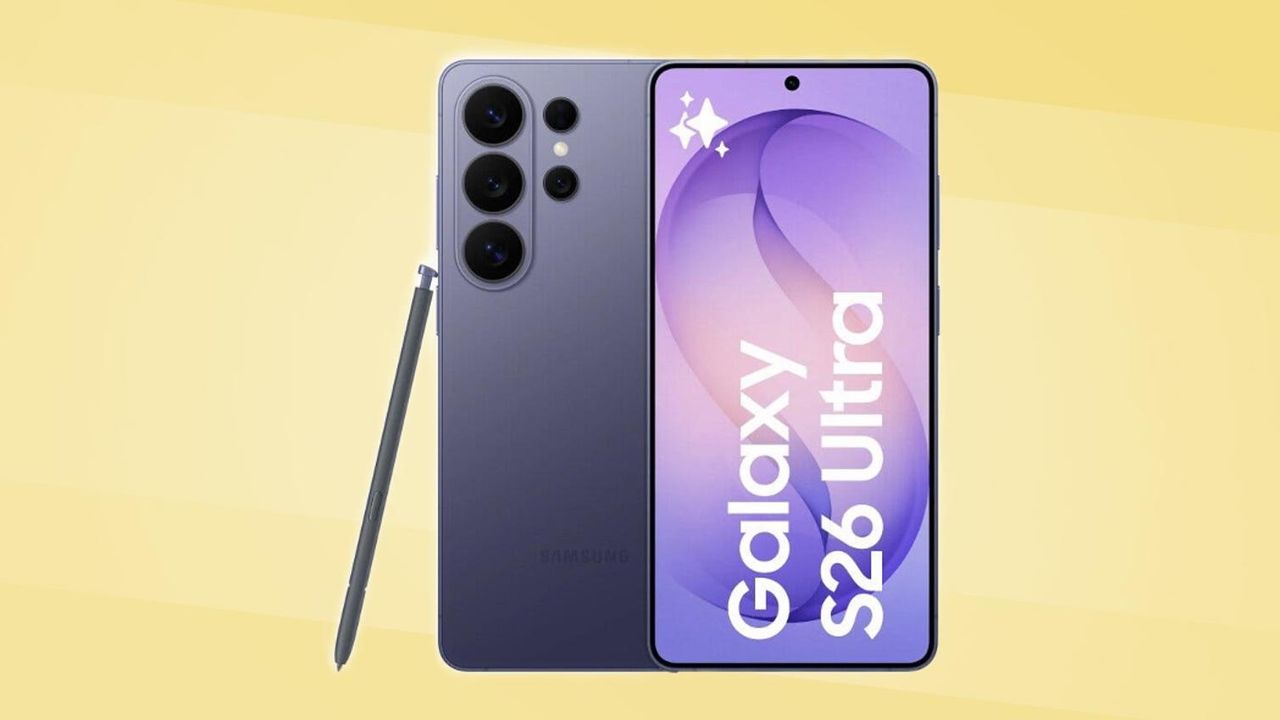
As if the prospect of the Galaxy S26 Ultra sticking with 5,000 mAh batteries for another year was disappointing enough, those batteries may not even be as good as they were previously. YTECHB has shared what appears to be leaked EU battery labels, and with those come estimated battery endurance figures. It's... not looking good for the Galaxy S26 series.
Those labels suggest this year's batteries have been rated for 1,200 charge cycles. After that point, the battery health is estimated to be around 80% of what you'd get straight out of the box. For reference, the Galaxy S25 series was rated for 2,000 cycles. So this is quite a dip.

What this means is that those of you planning to keep your Galaxy S26 for longer periods of time may have to replace the battery sooner than you otherwise would have. Or even multiple times, especially if you're one of the people who want to try and run out the clock on Samsung's 7-year update pledge.

It's not all bad news, though. The labels also reveal that these batteries have an A-rating for energy efficiency, which should make the phones a lot more energy efficient. The batteries also mention an A-rating for free-fall reliability, which is important from a durability standpoint, alongside an IP68 water and dust resistance.
However, the labels do seem to confirm at least one change to the battery size this year. The Galaxy S26 is getting a battery rated for 4,175 mAh, which is a 4,300 MAh typical capacity power pack. That makes it slightly larger than the 4,000 mAh battery in the Galaxy S25. However, the S26 Plus and S26 Ultra are apparently coming in with respective 4,755 mAh and 4,855 mAh batteries. That works out at a typical capacity of 4,900 mAh and 5,000 mAh — which is no change.
Endurance cycle rating is also up, with the S26 offering 51 hours per cycle, up from 37 hours. The Plus and Ultra are up to 55 hours from 44 hours and 45 hours, respectively. Which does suggest an increase in overall battery life — something we can all get behind.
Sadly, repairability has a C rating, which means actually replacing the batteries could be rather complicated. Taking that into account, it makes the loss of charge cycles seem even worse. So I'm not entirely sure what Samsung's thought process is here, and, unfortunately, it's going to take years to see the long-term effects of this change.
No doubt we'll find out more following Galaxy Unpacked later today, and the release of the three new phones into the world. In the meantime, be sure to check out our Samsung Galaxy Unpacked live blog for a rundown of the latest rumors and live coverage of the Galaxy S26 launch event.

Follow Tom's Guide on Google News and add us as a preferred source to get our up-to-date news, analysis, and reviews in your feeds.