Get all your news in one place.
100’s of premium titles.
One app.
Start reading
Evening Standard
Evening Standard
National
Ross Lydall

Sadiq Khan boosts funding of 'bounty hunters' in new crackdown on council tax and business rates

Sir Sadiq Khan is increasing his funding of debt collectors that track down unpaid council tax and business rates in London.

The move, which has been quietly approved by City Hall, comes amid a growing backlash about soaring rates demands that will be imposed on pubs and other firms from April due to changes in Chancellor Rachel Reeves’ November Budget.
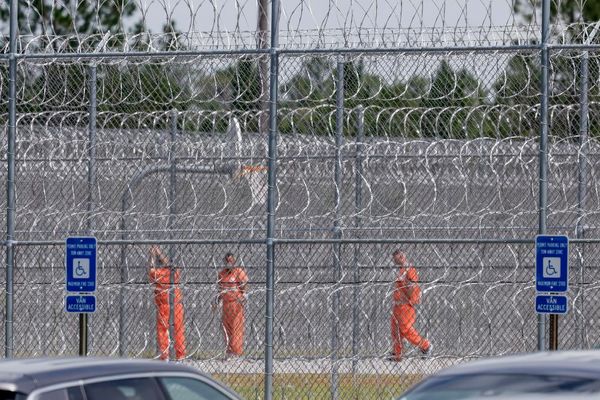
At the same time, most London households will see a five per cent hike in council tax from April, meaning that the vast majority of the capital’s 33 boroughs will issue average Band-D bills in excess of £2,000 a year.

The extra funds for council “bounty hunters” will help to target Londoners seeking to dodge new premium council tax rates for second homes and firms that falsely claim charitable relief on their premises.

London mayor Sir Sadiq is expected to receive more than £4bn in business rates income in 2026/27 from about 315,000 of the capital’s businesses, plus £1.6bn in council tax from 3.8m London households.

Sir Sadiq uses business rates income to help fund Transport for London and the Metropolitan police and pay for his own political priorities, such as free school meals in primary schools and the pedestrianisation of Oxford Street.

Sir Sadiq Khan is using business rates to fund the part-pedestrianisation of Oxford Street (GLA)

The row about increases in business rates has been caused by a Government revaluation of premises that has resulted in their “rateable value” – a key figure used to calculate bills – increase by an average of 22 per cent in London.

City Hall has helped to fund council debt collection services since 2016. Last week Sir Sadiq authorised an increase in City Hall’s contribution to the boroughs for these “bounty hunters”, from £11m to £11.4m in April, rising to £11.6 million in 2027-28 and £11.9 million in 2028-29.

Income from business rates and council tax, and from the Crossrail business rates supplement on big businesses along the route of the Elizabeth line, generated £5.8bn for the mayor in 2025/26.

About £2.5bn was allocated to TfL, about £1.2bn to the Mayor’s Office for Policing and Crime – and £870m to the Ministry for Housing, Communities and Local Government “to support local services elsewhere in England”, according to City Hall.

The mayor receives 37 per cent of all business rates paid in London.

Bitter taste: Chancellor Rachel Reeves has faced a backlash against soaring business rates following her Budget (House of Commons/AFP via Getty I)

However, the mayor’s share of business rates arrears and unpaid council tax stood at about £640m in March 2025 – highlighting the need for action to recover the money owed.

This included about £330 million in council tax and £310 million in business rates. Across London, more than £1.4bn is owed in council tax.

A Greater London Authority briefing paper said: “This all represents significant levels of foregone income for local government in London and across England.”

It said council debt collectors were focusing on “rates and council tax avoidance measures” such as false claims for empty homes discounts (for council tax) and charitable relief for business rates.

Up to three per cent of business rates income is lost each year due to firms dodging their bills.

The decision of almost all London boroughs to introduce a premium rate of council tax for second homes is also expected to create “further challenges” as home owners seek to avoid paying, the GLA warned.

City Hall says it will ensure that “robust ethical debt collection policies are followed” by debt collectors.

According to the GLA, the draft revaluation that was published on November 26 is forecast to result in an average 22 per cent increase in rateable values in London with particularly large increases being seen for certain sectors including Heathrow airport, hotels, pubs and hospitality venues as well as most football stadiums and large arenas.

The mayor also proposes to help fund council tax discounts for care leavers, foster carers, terminally ill people with less than 12 months to live and people whose homes are flooded.

A mayoral spokesperson said: “City Hall provides financial support to local authorities to help them collect business rates and council tax income that the mayor uses to fund vital services and invest in building a fairer, safer and greener London.

“This includes funding to deliver debt advice services and tackle business rate avoidance.

“The mayor is also helping local authorities fund council tax support schemes for those leaving the care system, foster carers, war veterans and the terminally ill.”

Sign up to read this article
Read news from 100’s of titles, curated specifically for you.
Already a member? Sign in here
Related Stories
Top stories on inkl right now
One subscription that gives you access to news from hundreds of sites
Already a member? Sign in here
Our Picks
Fourteen days free
Download the app
One app. One membership.
100+ trusted global sources.