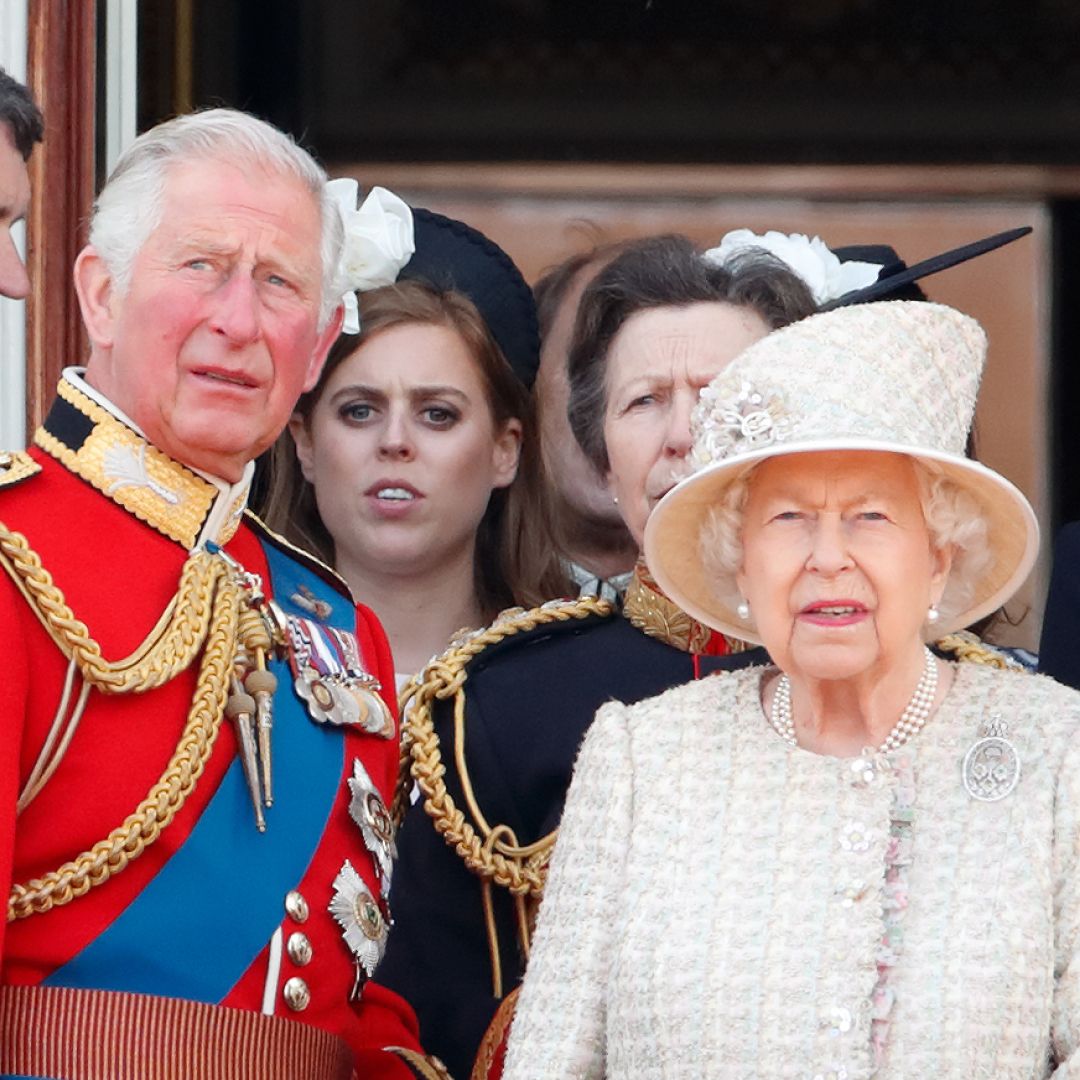
King Charles has made unprecedented moves to distance the monarchy from his brother, Andrew Mountbatten-Windsor, including removing his titles and evicting him from Royal Lodge. A month on from the former Duke of York’s arrest, royal experts are weighing in on his relationship with The King and the moment that made Charles think “I told you so.”
Andrew was arrested on suspicion of misconduct in public office on his 66th birthday, February 19, and King Charles released a statement stating that he fully supported any police investigation regarding his brother. The former Duke of York served as a trade envoy for the U.K. from 2001 until 2011, and has been accused of sharing confidential information with the late sex offender Jeffrey Epstein.
Royal biographer Robert Jobson told Hello! that The King, then Prince Charles, wasn’t a fan of the trade envoy idea when it was proposed by Queen Elizabeth.
“Charles always had doubts about Andrew becoming an envoy,” Jobson shared, noting that the now-King thought his brother “had just retired from the Navy and didn't have experience of diplomacy.”


However, Queen Elizabeth “insisted” on the appointment for her favorite son, Andrew, despite Charles’s concerns. “So now, Charles is thinking: 'I told you so,'" Jobson continued.
An “associate” of Andrew’s told Hello! that the relationship between King Charles and his brother has broken down irrecoverably. “You don’t have to be a rocket scientist to work that out," the source said.
However, the brothers, who are 12 years apart, were never close. "Andrew resented Charles," Entitled author Andrew Lownie told the outlet. "He felt that he could do a better job. Charles resented Andrew. He felt that Andrew was allowed to do things he couldn't do."
Meanwhile, Jobson said that a source close to The King revealed another reason Charles resents his brother.
"In around 2013 or 2014, Charles and Andrew had a massive conversation about Epstein and Andrew gave him his complete and utter assurance that he had done nothing wrong," Jobson shared. "He gave unequivocal reassurances."