League of Legends fans hoping for a stadium-level spectacle at First Stand 2026 were instead met with a much smaller stage this year with the CBLOL studio, and the backlash was loud enough that Riot Games has now responded.
The tournament, currently taking place in São Paulo, drew criticism from viewers who felt the venue size did not match the scale expected of an international League event.
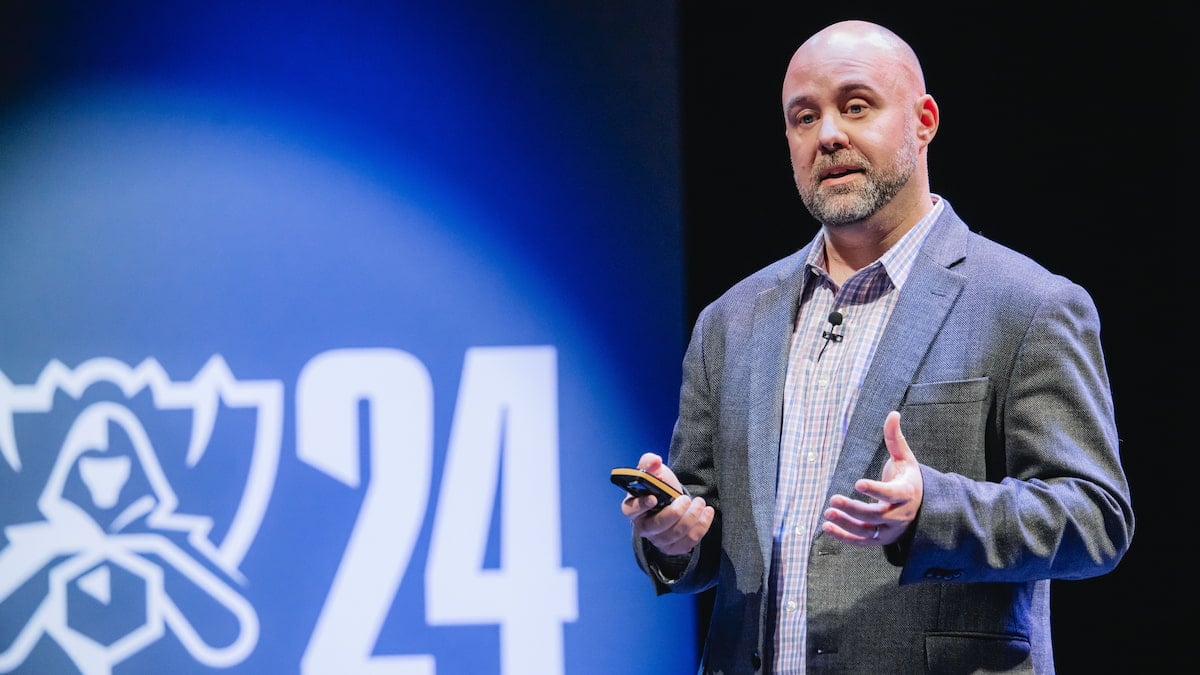
“We’ve heard the sentiment that international competitions should feel larger in scale than our regional studio shows, whether that was hosting First Stand in LoL Park last year or at the Riot Games Arena Sao Paulo this year. That feedback is fair, and it’s something we take seriously,” Chris Greeley’s League esports said in an exclusive statement to Mais Esports.
At the same time, part of the purpose behind hosting First Stand in our own studios is flexibility. It allows us to experiment with format, scheduling, and timing in ways we simply can’t with larger arena events that require long lead times and early lock-ins. That flexibility is intentional, and it gives us room to test, learn, and refine as we develop First Stand.
According to Greeley, hosting First Stand in Riot’s operated studios in Brazil is meant to give the company more room to experiment with the tournament itself. He explained that part of the purpose is “flexibility”, allowing the developers “to experiment with format, scheduling, and timing” in ways we simply can’t with larger arena events that require long lead times and early lock-ins.” This flexibility, he said, gives the Riot space “to test, learn, and refine” the event as it continues developing the tournament.
Brazil previously hosted a major global League event when the Mid-Season Invitational 2017 took place in Rio de Janeiro at the Jeunesse Arena, a venue with a capacity of around 15,000 spectators. The tournament is still remembered for its electric Brazilian crowd. That scale stands in sharp contrast to the current event being held at the Riot Games Arena São Paulo, the regular studio used for CBLOL broadcasts, which seats only around 140 fans.
“Following this year’s event, we’re going to take a hard look at how First Stand is constructed and what role it should play in the international calendar,” Greeley said, adding Riot expects to share more about that direction in the back half of the year.
While Riot has not confirmed whether future editions will move to larger arenas, feedback from this year’s tournament appears likely to influence what First Stand looks like in the years ahead.