
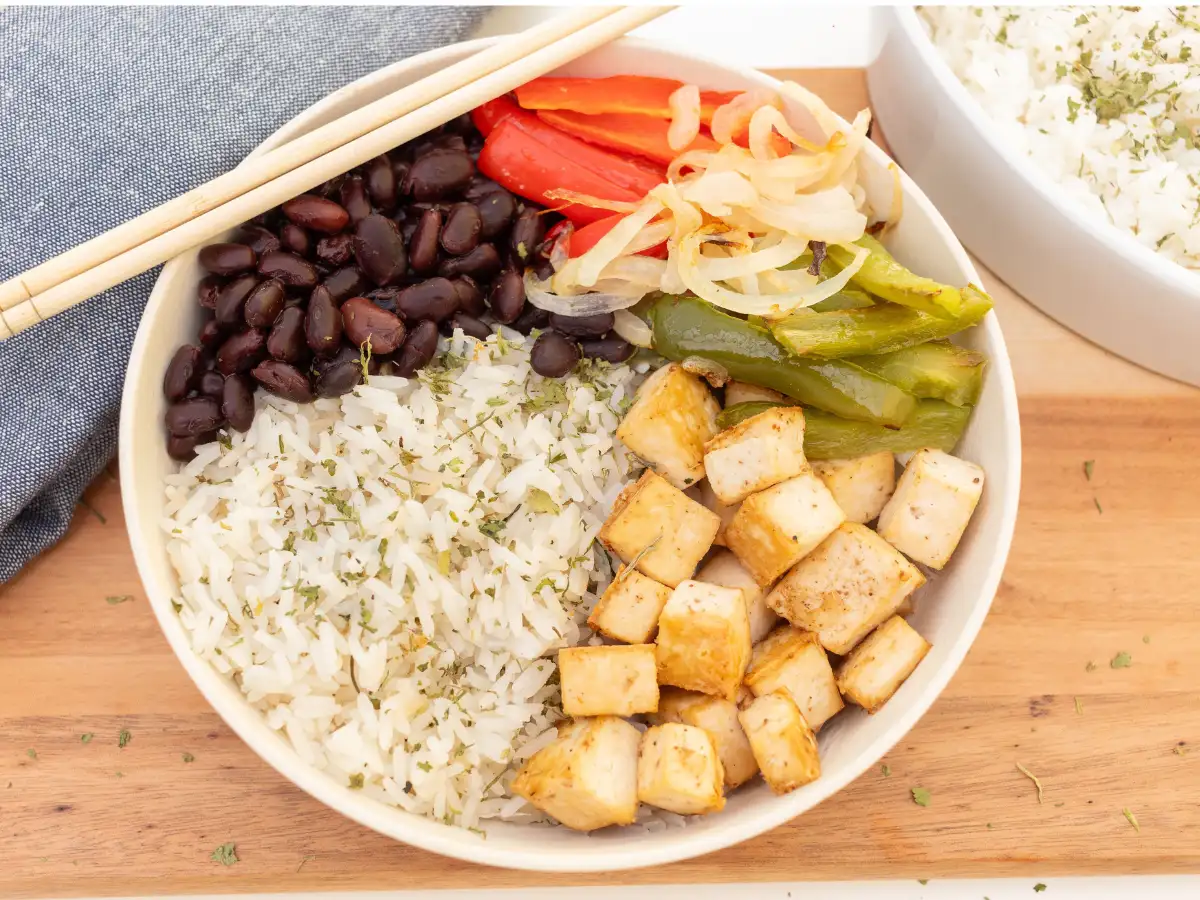
Rice is as American as takeout Tuesday and sushi night. It’s on the shelves of every grocery store, appears in everything from burrito bowls to stir-fries, and feeds more than half the world’s population. But a growing body of research is asking a question most of us have never stopped to ask: Is the way we grow rice quietly breaking the planet?
Mahmood, Ghani, and Gheewala tackled that exact question in a 2023 study, ‘Absolute environmental sustainability assessment of rice in Pakistan using a planetary boundary-based approach’ in Sustainable Production and Consumption, using a technique called planetary boundary-based life cycle assessment, or PB-LCA. This framework does something that traditional environmental studies don’t measure, namely, whether the total impact of producing a food actually stays within the safe operating limits of Earth’s natural systems. Mahmood et al. discovered that rice production surpassed the safe operating space for a range of important categories, including climate change, freshwater eutrophication, and water use, thereby contributing to the triple planetary crisis described by scientists.














