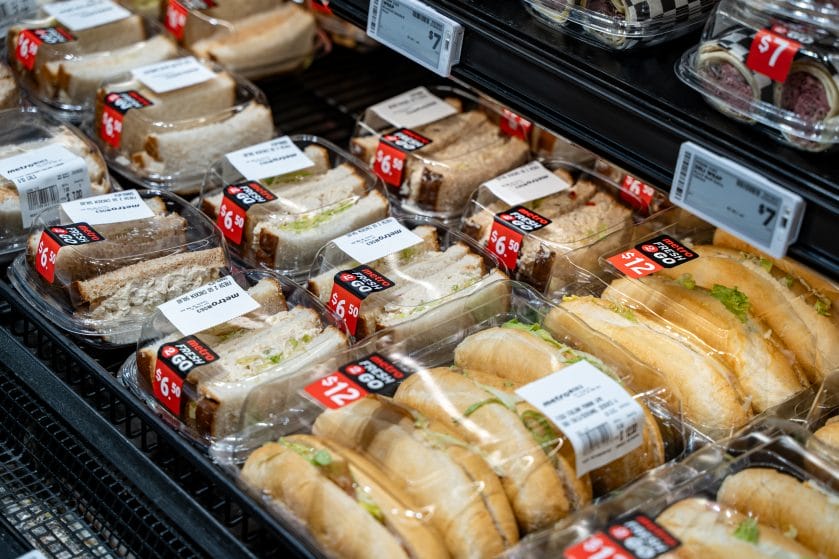
The line between the grocery store and the fast-food drive-thru is blurring. In a trend known as the “Grocerant” revolution, supermarkets are aggressively expanding their “Grab-and-Go” sections to capture the lunch and dinner crowd. In 2025, this isn’t just about rotisserie chickens; it is about high-quality sandwiches, salads, and heat-and-eat meals that compete directly with restaurants on quality while beating them on price. For busy savers, this expansion offers a new way to dine out without the restaurant markup.
The “Inflation Lunch” Solution
With fast-food combo meals now regularly topping twelve dollars, the grocery store has emerged as the budget lunch destination. Retailers have noticed that consumers are priced out of Chipotle and Panera. In response, they have expanded their deli sections to offer premium wraps, sushi bowls, and protein boxes for eight to ten dollars. By undercutting the nearby restaurants, they attract foot traffic from office workers and busy parents who need a quick meal but refuse to pay drive-thru prices.
Chef-Driven Convenience
This isn’t the soggy sandwich of the past. Grocery chains are hiring executive chefs to design these menus. You will now find seasonal ingredients, artisan breads, and globally inspired flavors in the grab-and-go case. The goal is to provide a “restaurant quality” experience that you can eat in your car or at your desk. This elevation in quality removes the stigma of “gas station food” often associated with pre-packaged meals, making it a viable alternative for dinner.
The “Meal Deal” Bundle
To further entice shoppers, stores are introducing “Meal Deal” bundles that mimic fast-food value menus. A typical offer might include a premium sandwich, a bag of chips, and a drink for a set price that represents a significant discount over buying the items individually. These bundles are often loss leaders designed to get you into the store, where you might also pick up a gallon of milk or a loaf of bread for tomorrow.
Positioning for Speed
Store layouts are changing to accommodate this trend. The grab-and-go section is moving to the very front of the store, often with its own dedicated self-checkout kiosks. This allows the “lunch shopper” to get in and out in under five minutes, bypassing the main checkout lines entirely. This speed is critical; if it takes too long, the shopper goes back to the drive-thru. Retailers are treating this section as a separate “mini-store” optimized for velocity.
Dietary Customization
One advantage grocers have over fast food is variety. The expanded grab-and-go section caters to specific diets—Keto, Vegan, Gluten-Free—that fast food often ignores. A shopper can find a hard-boiled egg protein box or a quinoa salad next to a turkey club. This variety captures the health-conscious consumer who wants convenience but refuses to eat deep-fried food.
A New Routine
For the frugal consumer, the expanded grab-and-go section is a powerful tool. It bridges the gap between the effort of meal prepping and the expense of dining out. By treating the grocery store as your quick-service restaurant, you can save twenty to thirty percent on convenient meals without sacrificing speed or taste.
Do you grab lunch at the grocery store? What is your favorite grab-and-go item? Share your lunch hacks!
What to Read Next
Grocery Retail Space Shortage Drives Expansion of Smaller Store Footprints
13 Snack Foods That Regularly Pop Up in Store Extra-Savings Events
11 Meal-Prep Foods That Pair Perfectly with Weekly Grocery Deals
9 Items Grocery Managers Say They Have to Restock Twice a Day
Retailers Tighten Delivery Fees After Same-Day Grocery Boom
The post Retailers Expand Grab-and-Go Food Areas to Attract Busy Savers appeared first on Grocery Coupon Guide.