Get all your news in one place.
100’s of premium titles.
One app.
Start reading
TechRadar
TechRadar
Sead Fadilpašić

Researchers identify new ToneShell backdoor targeting government agencies

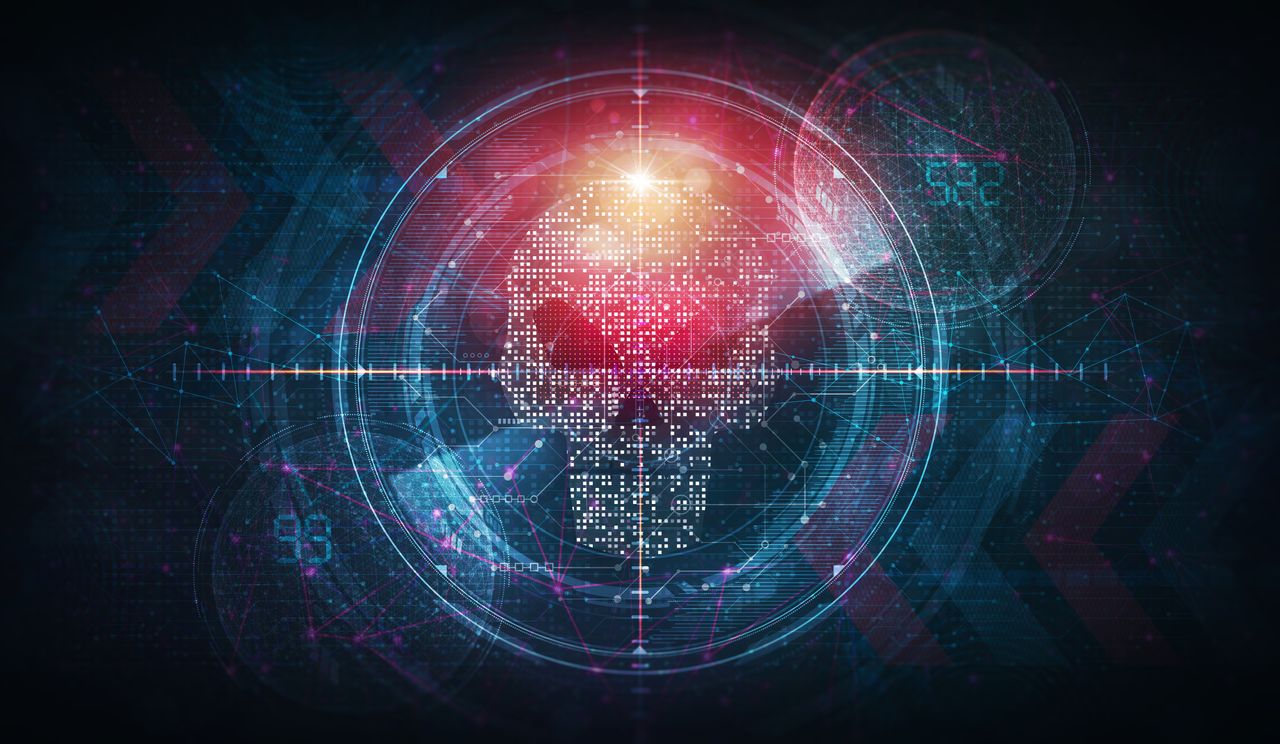
Proactive Cybersecurity Service That Neutralizes Threats Within a Digital Network - Conceptual Illustration.
  • Mustang Panda deployed upgraded ToneShell backdoors against Asian government organizations
  • New variant uses signed mini-filter driver, enabling rootkit-like stealth and Defender tampering
  • Kaspersky advises memory forensics and IoCs to detect infections in compromised systems

Chinese state-sponsored threat actors, known as Mustang Panda, have been observed targeting government organizations of various Asian countries with an upgraded version of the ToneShell backdoor.

This is according to cybersecurity researchers Kaspersky, who recently analyzed a malicious file driver they found on computers belonging to government organizations in Myanmar, Thailand, and others.

The driver led to the discovery of ToneShell, a backdoor which grants attackers unabated access to compromised devices, through which they can upload and download files, create new documents, and more.

Mini-filters and kernel-mode drivers

The new variant came with improvements, Kaspersky added, including establishing a remote shell via a pipe, terminating shell, cancelling uploads, closing connections, creating temporary files for incoming data, and more.

ToneShell is generally used for cyber-espionage campaigns. Victim computers were apparently also infected with other malware, as well, including PlugX, and the ToneDisk USB worm. The campaign likely started in February 2025, researchers speculate.

But what makes this campaign really stand out is the use of a mini-filter driver that was signed with either a stolen, or leaked certificate.

"This is the first time we’ve seen ToneShell delivered through a kernel-mode loader, giving it protection from user-mode monitoring and benefiting from the rootkit capabilities of the driver that hides its activity from security tools," Kaspersky said.

Mini-filters are kernel-mode drivers that sit inside the Windows file system stack and intercept file system operations in real time. They let software see, block, modify, or log file activity before it reaches the disk, and are part of Microsoft’s File System Filter Manager framework.

Among other things, they let the attackers tamper with Microsoft Defender, making sure it doesn’t get loaded into the I/O stack.

To defend against the new attacks, the researchers advise memory forensics as the number one way of spotting ToneShell infections. They also shared a list of indicators of compromise (IoC) which can be used to determine if a system was attacked or not.

Via BleepingComputer

Follow TechRadar on Google News and add us as a preferred source to get our expert news, reviews, and opinion in your feeds. Make sure to click the Follow button!

And of course you can also follow TechRadar on TikTok for news, reviews, unboxings in video form, and get regular updates from us on WhatsApp too.

Sign up to read this article
Read news from 100’s of titles, curated specifically for you.
Already a member? Sign in here
Related Stories
Top stories on inkl right now
One subscription that gives you access to news from hundreds of sites
Already a member? Sign in here
Our Picks
Fourteen days free
Download the app
One app. One membership.
100+ trusted global sources.