
Get all your news in one place.
100's of premium titles.
One app.
Start reading
The Conversation
The Conversation
Environment
Beth Rose Middleton Manning, Professor of Native American Studies, University of California, Davis

Removing dams from the Klamath River is a step toward justice for Native Americans in Northern California

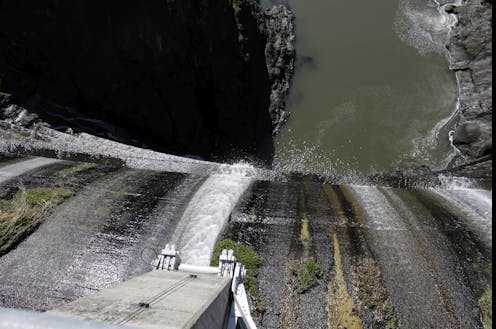
Water spills over the Copco 1 Dam on the Klamath River near Hornbrook, Calif. AP Photo/Gillian Flaccus

The Klamath River runs over 250 miles (400 kilometers) from southern Oregon to the Pacific Ocean in Northern California. It flows through the steep, rugged Klamath Mountains, past slopes of redwood, fir, tanoak and madrone, and along pebbled beaches where willows shade the river’s edge. Closer to its mouth at Requa, the trees rising above the river are often blanketed in fog.

The Klamath is central to the worldviews, history and identity of several Native nations. From headwaters in Klamath, Modoc and Yahooskin-Paiute lands, it flows through Shasta, Karuk, Hupa and Yurok homelands. The Yurok Tribe has legally recognized the personhood of the river.

Sign up to read this article
Read news from 100's of titles, curated specifically for you.
Already a member? Sign in here
Related Stories
Top stories on inkl right now
One subscription that gives you access to news from hundreds of sites
Already a member? Sign in here
Our Picks
Fourteen days free
Download the app
One app. One membership.
100+ trusted global sources.







