SEVERAL journalists have been banned by Reform UK from its annual conference after they published reporting critical of the party and its leader, Nigel Farage.
The Guardian’s City editor, Anna Isaac, investigative journalist Peter Geoghegan and broadcaster Michael Crick were informed this week that applications to cover the Birmingham event had been rejected.
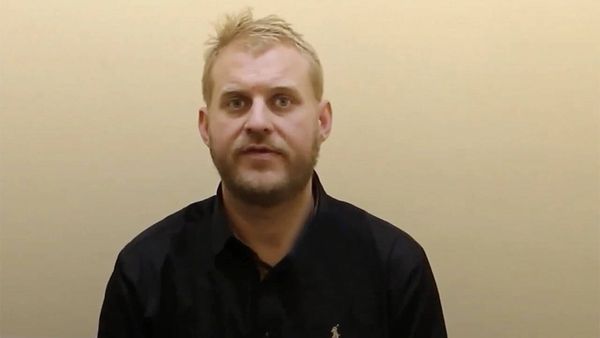
Crick shared on social media that he knew of at least "eight rejects", with the total number of applications rejected unknown.
The conference, which opens on Thursday at the National Exhibition Centre, has been promoted by Reform as “the most talked about event of 2026”.
Party figures hope it will help draw a line under a difficult summer dominated by questions over an undeclared £5 million gift received by Farage shortly before his 2024 election victory.
A Reform spokesperson said Crick and Geoghegan had not been accredited because the party did not regard them as significant media figures. No explanation was given for the decision on Isaac.
All three later received messages saying their passes had been restored following contact from The Guardian. But the party subsequently described that as an administrative mistake and sent further emails confirming they would not be allowed into the conference.
Isaac broke the story about Farage receiving the £5m gift from Christopher Harborne. Her reporting also focused on transactions involving senior Reform figures and party donations that led banks to submit potential money-laundering concerns to the National Crime Agency.
Geoghegan, who writes the Democracy for Sale newsletter and has contributed to The Guardian and New York Times, was told he had been refused accreditation soon after publishing allegations about comments made by pro-Reform journalist Isabel Oakeshott concerning Harborne.
He said: “Reform clearly wants press coverage but it doesn’t want the scrutiny and accountability that comes with it. Farage and co like to present themselves as the anti-establishment insurgents, but banning independent journalists like me from party conference isn’t anti-establishment. It’s the establishment playbook.”
Crick, who published an unauthorised biography of Farage in 2022, said: “I can understand why the Reform high command might not want me talking to ordinary party members.”
After the brief reversal over his accreditation, he added: “What cock-up merchants!”
A Reform spokesperson said: “Reform UK accepted 950 of about 1000 media applications from a variety of outlets, including the entire Guardian lobby team.
“Mr Crick works for a university and Mr Geoghegan is a Substack blogger. Neither qualify for a media pass.”
The spokesperson did not explain why Isaac had been refused access, but said: “Anna will still be able to watch the conference proceedings on our livestream if she wishes.”
Laura Davison, general secretary of the National Union of Journalists, said the reported exclusions were “frustrating and concerning”.
She said: “Reports that Reform UK has chosen to ban journalists who have scrutinised the party from attending its conference are frustrating and concerning. A functioning democracy depends on a free press that can ask political parties difficult questions and hold those seeking power to account.”
Davison added: “We urge the government and all political parties to demonstrate their commitment to media freedom and uphold the public’s right to be informed. Reform UK should rethink its position and allow journalists full access to the conference.”
A Guardian spokesperson said: “Holding public figures to account is the role of a free press and an essential part of the democratic process. Our journalists should be able to ask questions in the public interest and not be deterred from doing their job.”