
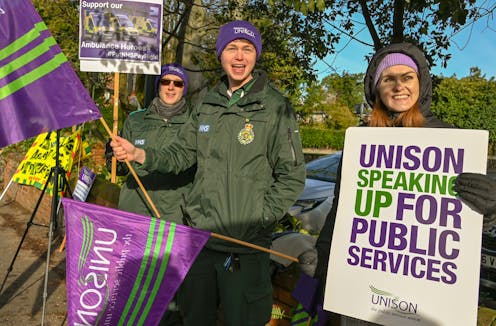
London bus drivers working for transport company Abellio recently negotiated an 18% pay rise following industrial action organised by the trade union Unite. Such success shows the impact that collective bargaining can have on the pay negotiation process. Other unions that have recently paused industrial action to return to the negotiating table will be hoping for similar levels of success
Collective bargaining involves a group of employees – typically represented by a union – negotiating with an employer about wages and conditions. But the government’s use of pay review bodies (PRBs) since the 1970s to advise on public sector pay levels has created a wedge between employees and their employers – and ultimately the government – when it comes to discussing wages and conditions.














