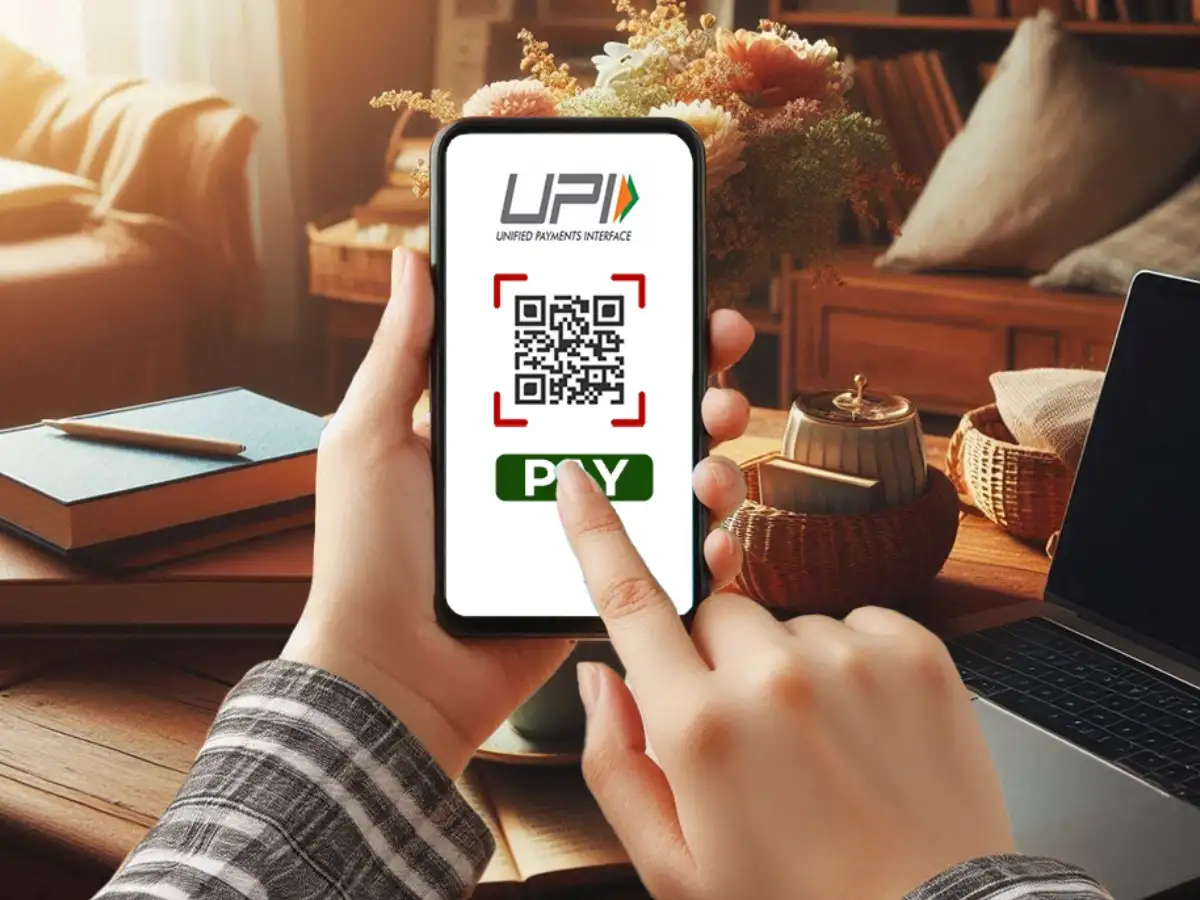
When a customer scans a QR code at a neighbourhood shop, enters a UPI PIN and receives a payment confirmation almost immediately, the transaction may look simple. Behind that familiar experience, however, several systems work together to verify the payment, communicate with banks and update account balances.
India's digital payments ecosystem has made this experience commonplace. Unified Payments Interface (UPI), developed by the National Payments Corporation of India (NPCI), enables instant money transfers between bank accounts, around the clock. The technology has also changed what customers expect from banking. Waiting for the next working day to send or receive money is no longer the default for many digital transactions. But what exactly happens when money moves between two bank accounts in seconds? And why does making payments faster require so much work behind the scenes?