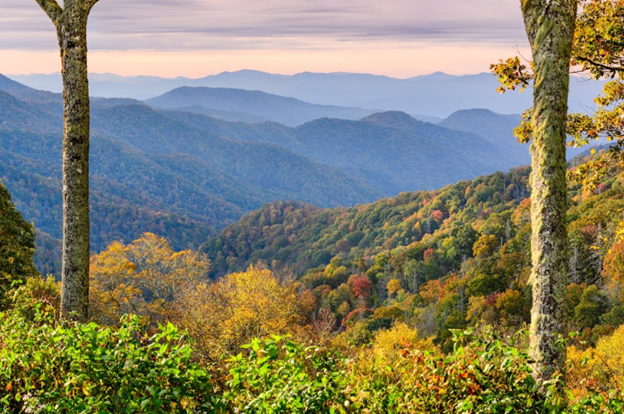
Have you noticed how more Americans are looking at homes that feel like permanent vacations? In places like the Tennessee Smoky Mountains, buyers are no longer chasing giant mansions with formal dining rooms nobody uses. They want walking trails, pools, fitness clubs, golf carts, coffee bars, and mountain views that make Zoom meetings slightly less painful. Resort-style communities have moved from niche luxury to mainstream demand, and the shift says a lot about how people now want to live, work, and spend their money.
The Pandemic Changed What Buyers Value
The housing market still carries the fingerprints of the pandemic years. Millions of Americans discovered that commuting five days a week was not inevitable, and once remote or hybrid work became normal, priorities shifted fast. Buyers started choosing lifestyle over proximity to office towers.
That trend pushed resort-style communities into the spotlight because they offer the kind of environment people once only experienced during vacations. Developers noticed quickly. Communities in Tennessee began adding lazy rivers, pickleball courts, spa facilities, and coworking lounges because buyers wanted homes that supported both productivity and relaxation. The suburban cul-de-sac suddenly looked a little dull compared to a neighborhood with hiking trails and mountain-view fire pits.
Mountain Towns Are Becoming Lifestyle Markets
One of the strongest examples of this shift can be seen in the growing demand for homes for sale in Tennessee Smoky Mountains, where buyers are drawn by natural scenery, short-term rental income potential, and resort-style amenities that blend vacation living with year-round comfort. Local Realty Group has leaned into that demand by featuring investment properties across Sevierville, Gatlinburg, and Pigeon Forge.
What makes the Smokies especially interesting is that they attract several buyer types at once. Retirees want peaceful scenery, younger remote workers want flexibility, and investors want properties that can generate income through tourism. Great Smoky Mountains National Park continues to pull millions of visitors every year, turning nearby communities into highly attractive real estate zones instead of seasonal getaway towns.
Amenities Now Matter More Than Square Footage
For years, buyers focused heavily on size. Bigger kitchens, bigger garages, bigger everything. Now, many shoppers would rather have a smaller house inside a highly active community than a giant property isolated from services and entertainment.
Developers understand this psychology. A resort-style neighborhood can justify premium pricing because buyers feel they are purchasing an experience instead of just walls and flooring. Residents may share pools, gyms, restaurants, and walking paths, but they also gain convenience and social connection. In a time when loneliness has become a serious public health discussion in America, these built-in community features carry emotional value that traditional subdivisions often lack. Nobody wants to spend $900,000 just to wave awkwardly at neighbors twice a year.
Wellness Has Become a Real Estate Selling Point
The wellness industry has expanded far beyond smoothies and yoga mats. Buyers increasingly want neighborhoods that support healthier lifestyles, and resort-style communities market themselves around exactly that idea.
Walking trails, meditation gardens, outdoor fitness stations, and wellness spas are becoming common selling features. Developers are also paying closer attention to green space because buyers associate natural surroundings with lower stress levels. After years of economic uncertainty and nonstop digital overload, many Americans are trying to create quieter daily routines.
There is also a practical side to this trend. Healthcare costs continue rising, and older buyers especially are interested in communities that encourage physical activity and social interaction. A neighborhood clubhouse may sound like a small detail, but it can reduce isolation and improve quality of life in ways traditional developments often overlook.
Climate Migration Is Influencing Buyer Decisions
Weather now plays a bigger role in real estate than it did a decade ago. Extreme heat, hurricanes, wildfires, and insurance spikes are pushing many buyers toward regions viewed as safer or more stable.
That partly explains why mountain communities and inland resort areas are seeing stronger attention. Tennessee has become particularly attractive because it combines relatively moderate living costs with scenic geography and lower tax burdens compared to many coastal states. Buyers leaving expensive cities often feel they can stretch their budgets further while gaining access to outdoor recreation and luxury amenities.
Ironically, the modern American dream increasingly looks less like a giant suburban house and more like a comfortable cabin with reliable Wi-Fi, nearby hiking trails, and enough porch space for morning coffee and existential reflection.
Younger Buyers Want Experiences Over Formality
Millennials and Gen Z buyers are changing real estate expectations in ways developers cannot ignore. These generations generally value flexibility, experiences, and convenience more than traditional status symbols.
Formal dining rooms, oversized sitting areas, and elaborate entryways no longer impress younger buyers the way they impressed previous generations. Shared amenities and social environments often matter more. Resort-style communities tap directly into that preference because they create built-in entertainment and recreation options without requiring residents to drive long distances.
Technology also plays a role. Many newer developments integrate smart-home systems, app-controlled amenities, and coworking spaces because younger buyers expect homes to function seamlessly with digital lifestyles. The idea of driving forty minutes to a gym or community center feels outdated to buyers accustomed to instant access in nearly every other part of life.
Builders Are Selling a Story, Not Just a Property
Real estate marketing has become far more emotional and lifestyle-focused. Developers no longer simply advertise square footage and granite countertops. They sell narratives about balance, freedom, and personal fulfillment.
That strategy works because Americans increasingly connect housing choices with identity. Buyers want homes that reflect the lives they imagine for themselves. Resort-style communities promise a version of daily life that feels more relaxed and visually appealing, even during stressful economic periods.
The trend also reflects a larger cultural shift. People spent years watching travel influencers showcase beautiful destinations online, and eventually, many consumers started asking a practical question: why save that lifestyle for one vacation a year? Resort-style communities offer a way to blend ordinary life with some of the atmosphere people once associated only with weekend escapes.
The popularity of these communities will likely continue because they align with several powerful trends at once: remote work, wellness culture, climate migration, experience-driven spending, and investment-focused home buying. Americans are redefining what “home” means, and increasingly, they want it to feel a little less ordinary.